
Community listing page, reviews here may not be monitored by the author.
satoyama

No reviews yet
A cozy Vanilla+ mod about Japanese countryside life: farm rice paddies, cook 170+ dishes like sushi and ramen, build tatami-and-shoji farmhouses, and forge katana and ninja tools.
Community voices
Reviews
No reviews yet. Be the first to review this project!
Get it on
Available Platforms
About
Project Details
For authors
Embed Badge
If you're the author of this project, you can embed a live badge anywhere that supports HTML or Markdown. It updates automatically whenever ratings change.
Use HTML for any page that supports it, or Markdown for README files and Markdown-based descriptions.
Identifiers
Platform IDs
Resources
External Links
About
Description
watermint satoyama
Grow a harvest. Cook a meal. Make a home.
日本語: 日本の里山の暮らしをMinecraftに持ち込むFabric向けModです。稲作や果樹の栽培、味噌・醤油・豆腐・麺づくり、寿司やラーメンなど170種類以上の料理、焼き物、畳や障子・瓦屋根の家づくり、たたら製鉄と刀・忍者道具、里山の動物や魚との出会いを楽しめます。詳しい情報は公式サイトとWikiをご覧ください。
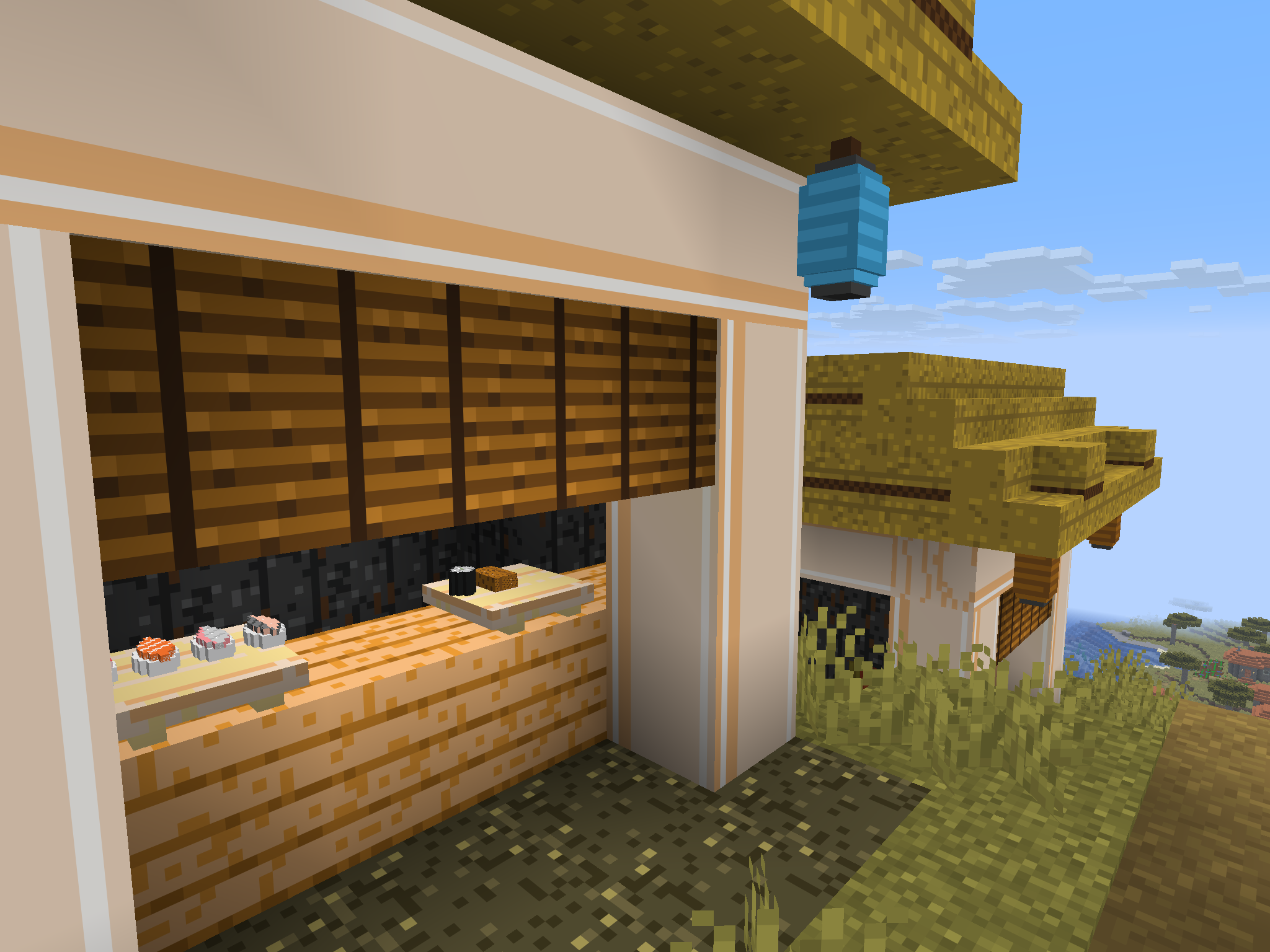
Bring the everyday pleasures of the Japanese countryside to Minecraft. Tend rice paddies and fruit trees, turn your harvest into Japanese comfort food, and build a cozy home of your own among fields, woodland, and water.
Satoyama is the landscape where people and nature live together: farmland, managed woods, and waterside habitats shaped by generations of care. That idea is at the heart of this mod—your surroundings become richer as you tend them.
At a glance
- Farming: rice paddies, more than 50 vegetables, grains, and herbs, climbing vines on stakes, nets, and trellises, and orchard trees from ume, yuzu, and persimmon to mango and lychee.
- Cooking: over 170 dishes, including sushi, onigiri, ramen, udon, soba, tempura, donburi, bento, mochi, and dango, plus regional home cooking from Hokkaido to Okinawa.
- Japanese pantry staples from scratch: miso, soy sauce, mirin, vinegar, dashi, natto, pickles, umeboshi, tofu, fresh noodles, pressed oils, and sea salt.
- Pottery: shape clay on a potter's wheel and fire it as Bizen, Shigaraki, Oribe, Karatsu, Hagi, or Yachimun ware.
- Building: kawara tile and thatched roofs, plaster and earthen walls, tatami, shoji, fusuma, irori hearths, futon, andon lamps, chochin lanterns, and bamboo fences.
- Clothing and carrying: yukata, festival happi, straw hats, a wearable back basket, and an upgradeable storage pocket, all dyeable.
- Samurai steel and ninja tools: smelt tamahagane in a tatara furnace and forge a katana or naginata, or kit yourself out as a ninja with a ninjato, shuriken throwing stars, caltrops, and a full black shinobi outfit.
- Wildlife: tanuki, sika deer, boar, squirrels, pheasants, songbirds, and seabirds, plus 13 new river and sea fish.
- Automation-friendly: cookware, workshop devices, and harvests work with hoppers and dispensers.
From field to kitchen
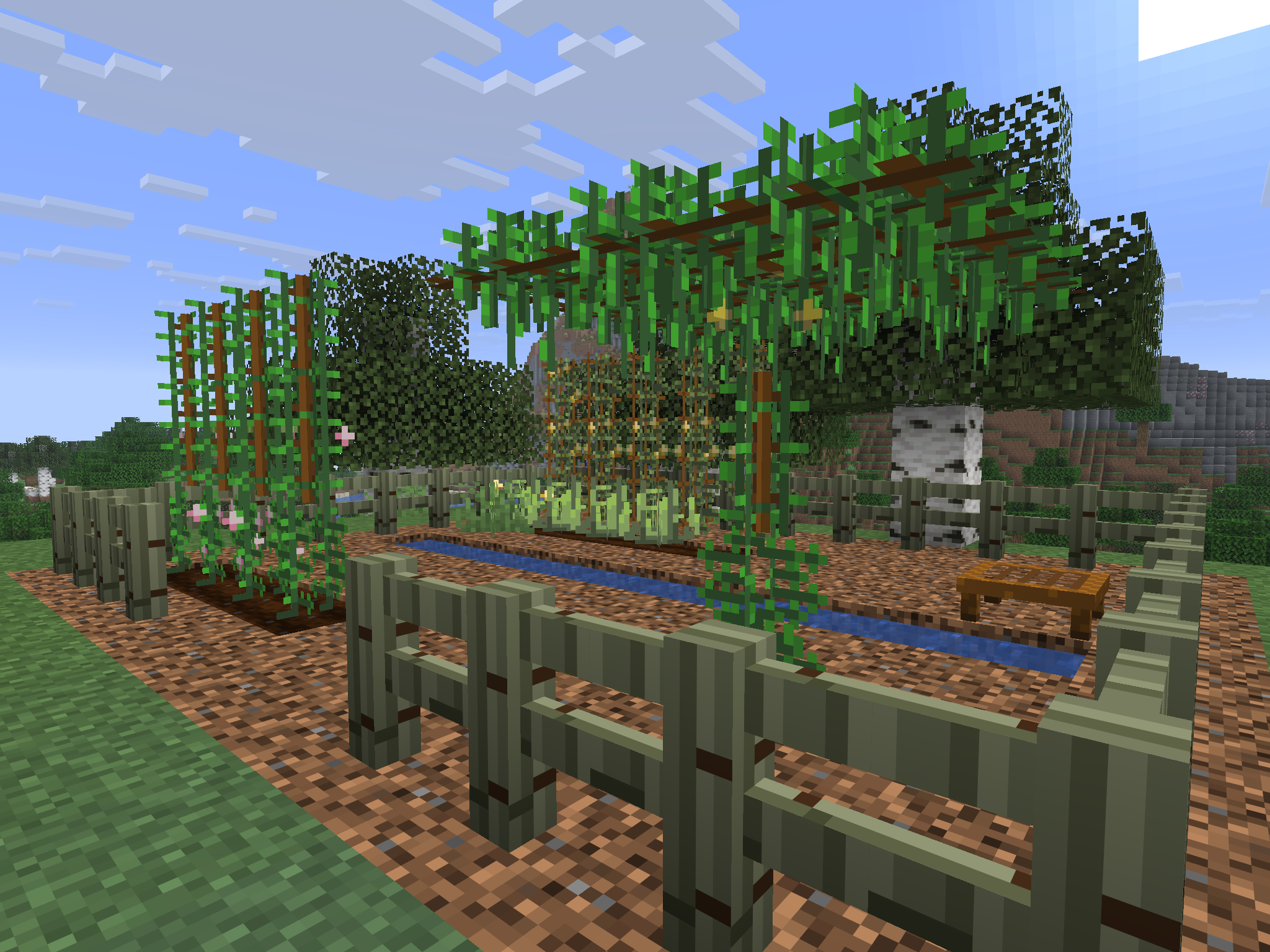
Grow rice and lotus in flooded paddies and fill your beds with daikon, eggplant, napa cabbage, soybeans, azuki, buckwheat, sesame, ginger, shiso, and many more. Some plants stay in place for repeated harvests, and leafy crops grow back after cutting.
Give your farm height. Train tomatoes, cucumbers, goya, peas, mountain grapes, passion fruit, and wisteria up bamboo stakes, nets, and trellises, or raise towering banana, papaya, and coconut plants. Improve your soil with leaf mold and andosol, and plant an orchard of ume, yuzu, mikan, persimmon, peach, chestnut, walnut, olive, and tea.
Farming feeds more than the kitchen: straw, reed, igusa rush, and cotton become thatched roofs, tatami, and cloth.
A real kitchen
Cooking grows beyond the furnace into a kitchen of tools and cookware. Slice on a cutting board with a knife, grind in a suribachi, grate daikon, mill flour on a stone ishiusu, and pound mochi with an usu and kine. Then choose your cookware: pots and pans in three sizes, a wooden steamer, a deep fryer, a grill net, and a skewer grill, all heated by a campfire or a kamado stove.
Start with a fried egg, grilled salmon, and a pot of rice. Work your way up to miso soup, karaage, chawanmushi, nikujaga, oyakodon, gyudon, okonomiyaki, yakitori, nigiri sushi, tempura, and four kinds of ramen. Discover regional dishes from across Japan, such as Okinawan goya champuru, Kagawa's sippoku udon, Fukui's oroshi soba, and Kumamoto's karashi renkon.
The Kitchen guide · All Dishes
Made from scratch
Stock your pantry the traditional way.
- Fermentation and drying: grow rice koji, then let time turn soybeans into miso, soy sauce, and natto. Keep a nukadoko for pickles, salt your own umeboshi, and hang fish, persimmons, and daikon on a drying rack under the open sky.
- Tofu and salt: soak, mill, boil, and press soybeans into soy milk, then set it as yose, momen, silken, or Okinawan shima tofu. Leach brine from beach sand and boil it down for salt and the nigari that sets your tofu, or mine rock salt in the mountains.
- Noodles: knead dough, roll it into sheets, and cut, extrude, or stretch it into udon, soba, somen, ramen noodles, and rice vermicelli.
- Oils, stocks, and drinks: press rapeseed, sesame, egoma, and olive oil, shave katsuobushi for dashi, and bottle fruit juices from your orchard.
Fermentation and Drying · Tofu and Salt Making · Noodle Making
Pottery and the table
Shape clay on the potter's wheel into platters, small plates, and bowls. The glazes and pigments you add in the kiln decide the finish: Bizen, Shigaraki, Oribe, Karatsu, Hagi, or Okinawan Yachimun ware.
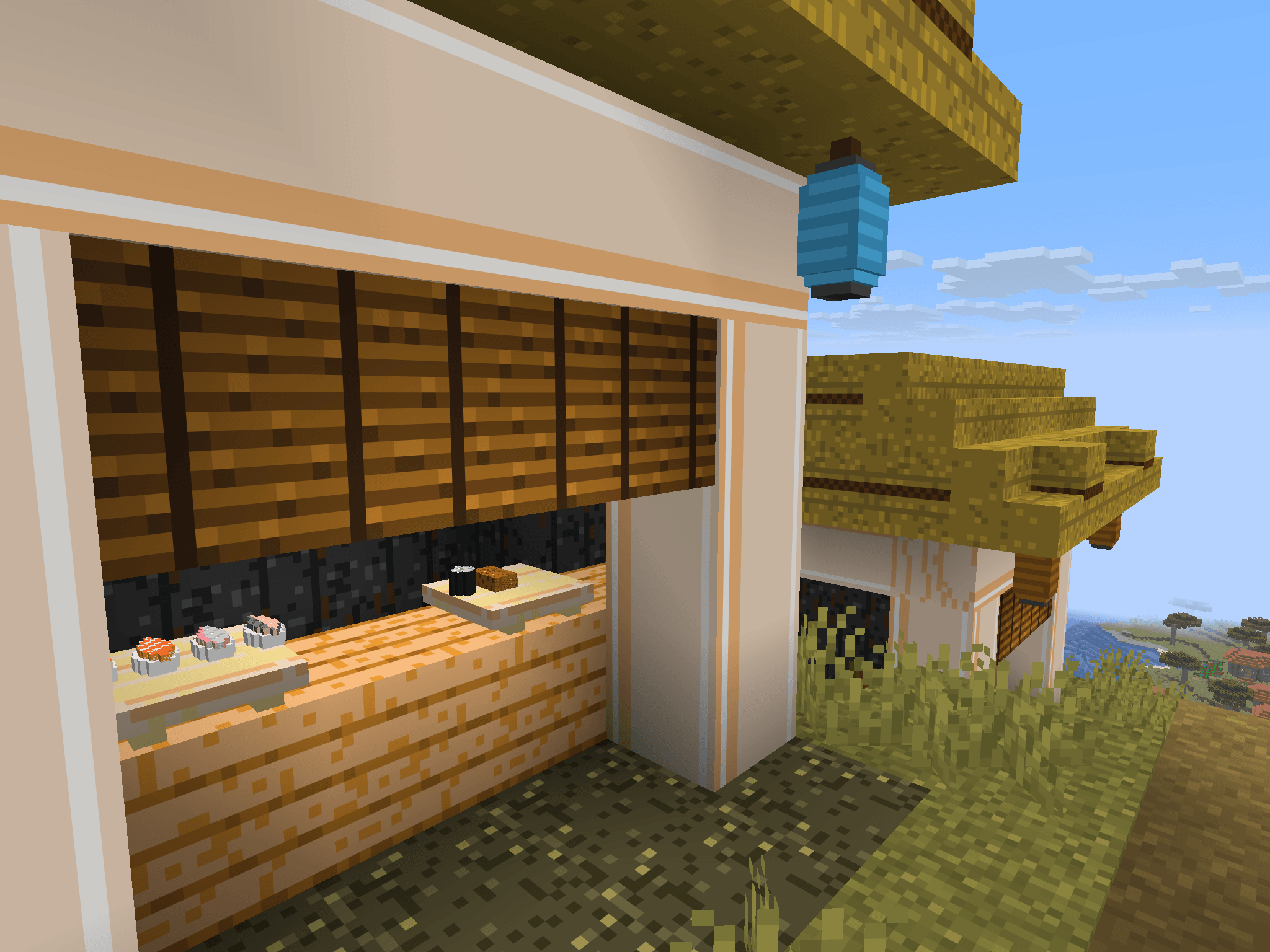
Then set the table. Serve ramen or a rice bowl in a bowl you fired yourself and eat it right where it stands. Arrange side dishes on a platter, sushi on a sushi geta, or a balanced meal of one soup, one main, and two sides on a tray. Open a market stall with produce crates and iced displays of fresh fish.
A home in the countryside
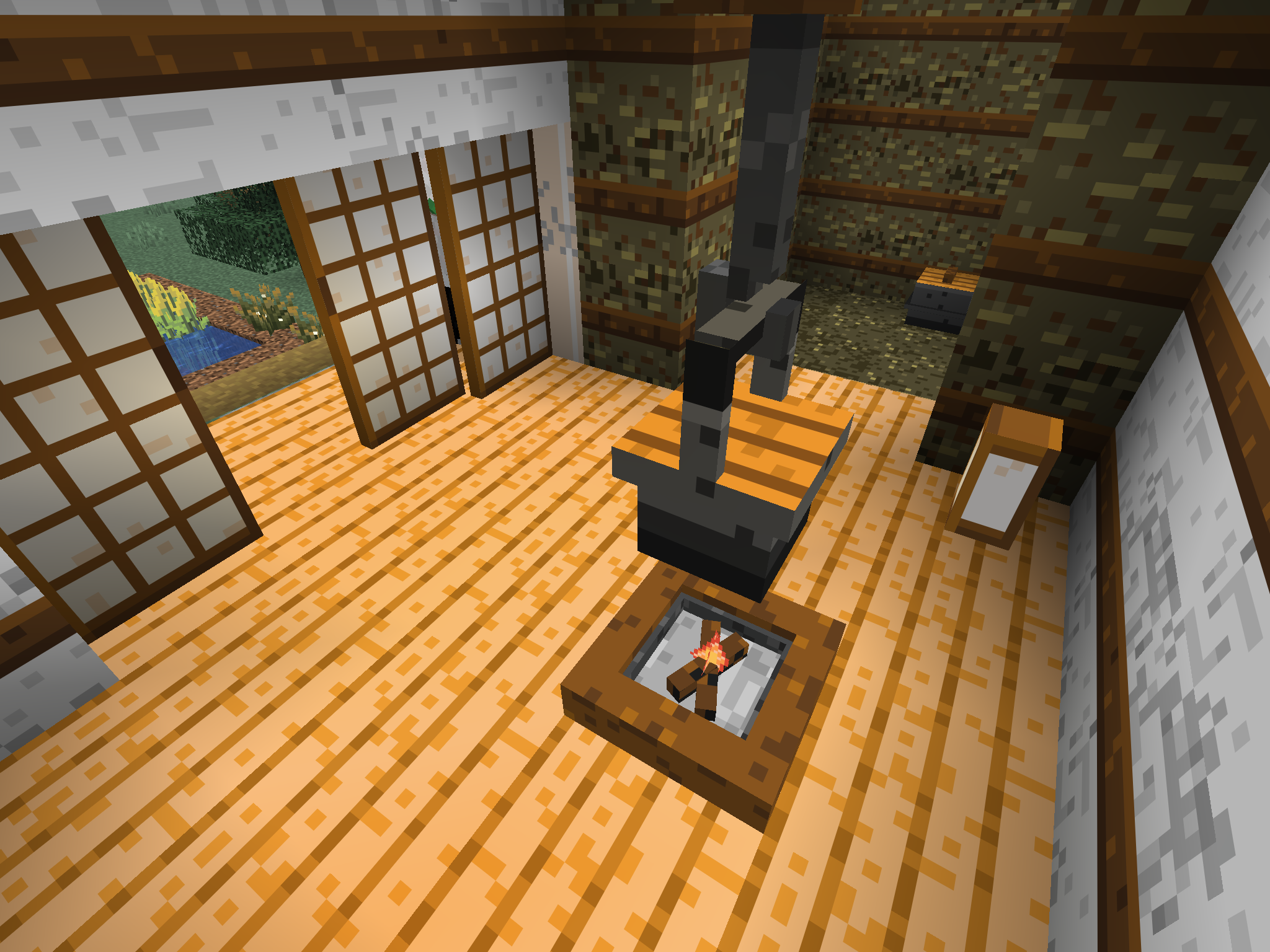
Build a Japanese farmhouse from the ground up. Roof it with straw or reed thatch, or with fired kawara tiles in three regional colors: silver Awaji, near-black Sanshu, and red-brown Sekishu. Raise walls of white shikkui plaster, earthen daub, namako tilework, or charred yakisugi cedar, framed with squared hinoki posts. Blocks weather over time, and thatch gathers moss.
Inside, lay tatami and a rammed-earth doma floor, slide open shoji, fusuma, lattice doors, and storm shutters, and hang sudare against the summer sun. Furnish with futon, a chabudai, andon lamps, and chochin lanterns in all 16 dye colors. Hang a pot from a jizaikagi over the irori hearth, and building and cooking come together in one room.
Farmhouses and Interiors guide
Clothing and carrying
Spin cotton and weave cloth for yukata, happi, and hachimaki, then dye them for everyday wear or a summer festival. Put on a straw hat, reinforced in tiers from copper to netherite, and carry your harvest in a bamboo back basket worn like a backpack. The isekai pocket is portable storage that upgrades in stages, keeps its contents through every upgrade, and opens with a single key.
Katana, naginata, and ninja tools
Make Japanese steel the old way. Wash iron sand out of riverbeds in a sluice, smelt it over charcoal in a clay tatara furnace, and work the tamahagane into a blade. The katana is quick to swing but does not sweep. The naginata gives up speed for longer reach and a sweeping cut.
Then there is the ninja's kit. Shinobi gear is made for getting away, not for winning a brawl:
- Ninjato: the short, straight ninja sword. It has the quickest swing of the three blades, and it helps you over a wall.
- Shuriken: throwing stars you can let fly without drawing a weapon. They are better at stopping a pursuer than finishing one.
- Caltrops (makibishi): scatter them behind you to sting and slow whatever is chasing you.
- Black shinobi outfit: hood, jacket, hakama, and tabi for moving lightly.
Every blade has a trade-off rather than a bigger number, so combat stays within vanilla conventions.
Tatara and Smithing · Shinobi Tools and Clothing
Beyond your doorstep
The landscape is alive. Meet tanuki, sika deer, boar, weasels, and squirrels in the woods, and watch sparrows, white-eyes, wagtails, and round little shima enaga flock through the trees. Cormorants dive in the rivers, while gulls and boobies plunge along the coast. Offer an onigiri to a tanuki or hold out an acorn to bring a squirrel closer.
Rivers and seas hold ayu, iwana, koi, tai, saba, buri, katsuo, maguro, and more, ready to become salt-grilled skewers, sashimi, or nigiri. Wild rice grows in swamps and wild soybeans in sunflower plains. The Finding Plants and Wildlife guide shows which biomes to visit.
Land Animals and Birds · Aquatic Life · Finding Plants and Wildlife
Built for automation
Cookware and workshop devices pull in a matching batch, cook it, and start the next one on their own. Feed and empty them with hoppers, let dispensers work the cutting board, and harvest some crops with dispensers holding sickles or shears. The washing sluice and tatara furnace connect the same way, so a farm, a kitchen, or an ironworks can run itself.
Made to feel at home in Minecraft
Satoyama follows a Vanilla+ approach, adding choices for farming, cooking, building, and daily life while keeping combat within vanilla conventions. Existing vanilla ingredients are reused wherever they represent the same food, so familiar crops remain part of your kitchen.
Installation and compatibility
satoyama runs on Fabric for Minecraft: Java Edition, and Fabric API is required. For multiplayer, install it on both the client and the server.
Supported Minecraft versions, required Fabric Loader and Fabric API versions, JEI integration, and step-by-step setup are all covered on the Installation page.
Guides and project information
Visit the official website and browse the Wiki for farming, cooking, crafting, building, and exploration guides.
Distributed under the watermint satoyama EULA.
Screenshots
Gallery
-
 hero-01.png hero-01.png
 -
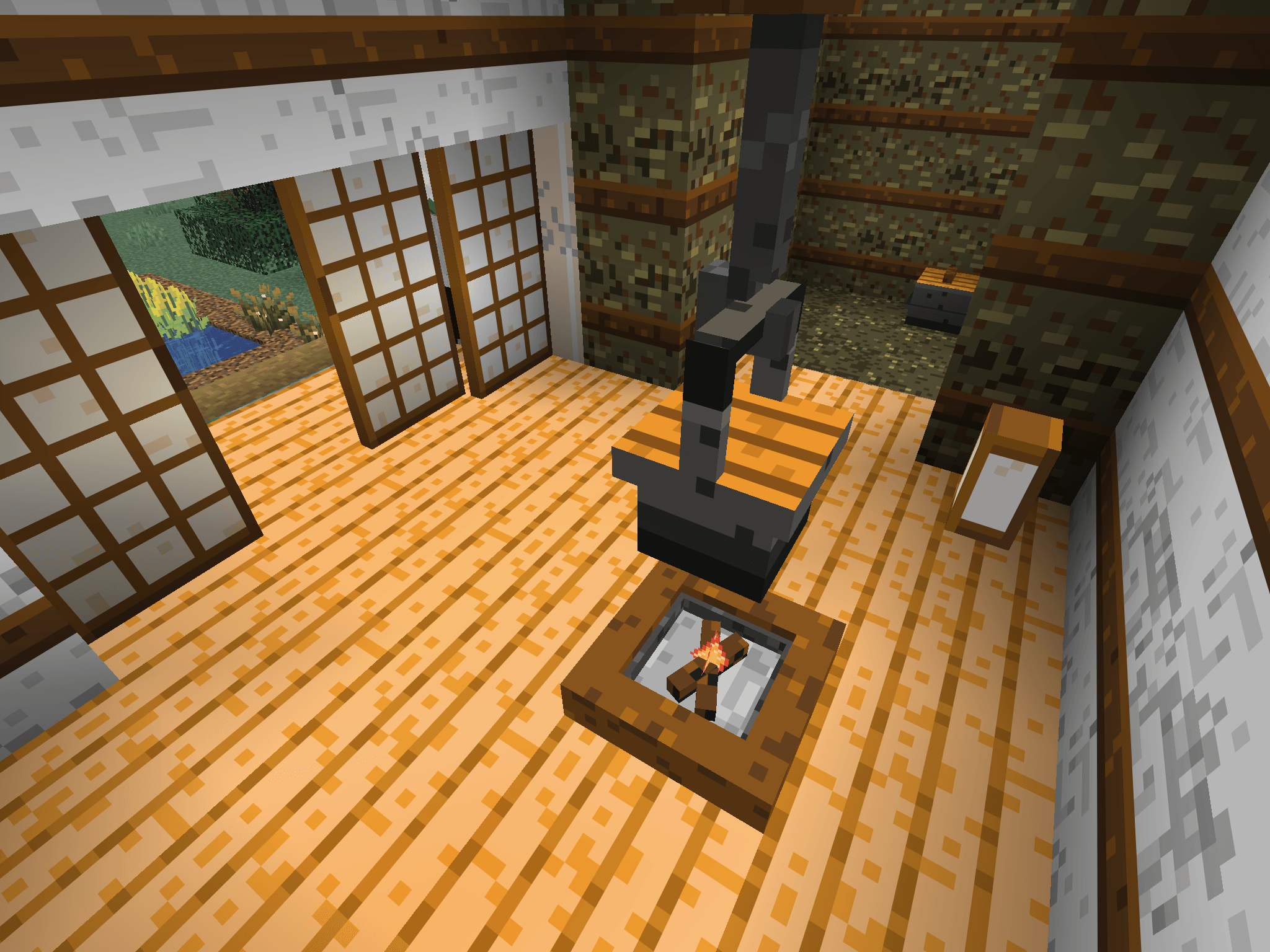 hero-02.png hero-02.png
 -
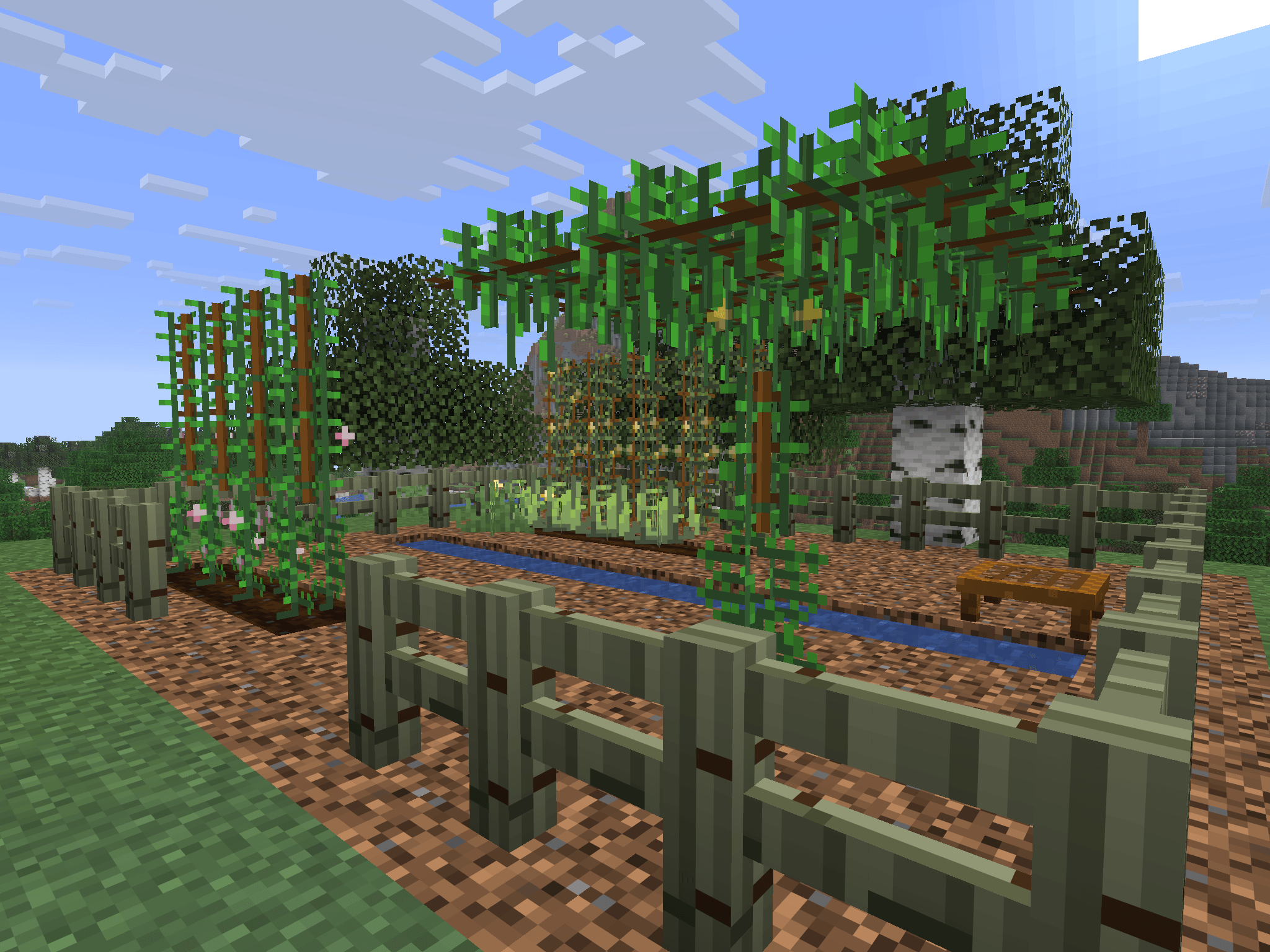 hero-03.png hero-03.png
Versions
Files
Relations
Project Relations
More like this
Similar Mods
Suggestions use data such as tags, dependencies, dependents, descriptions, titles, and more to rank how much they overlap with this mod.
On ModDex
Community snapshot
By the numbers
Statistics
Want to reach Minecraft players?
We're looking for a server hosting partner to feature here and other parts of the site. Interested? Send us a message!
Get in touchGet it on
Available Platforms
On ModDex
Community snapshot
By the numbers
Statistics
Resources