Community listing page, reviews here may not be monitored by the author.
Spider Eggs And Breeding

No reviews yet
Breed spiders with raw beef or porkchops, hatch Spider eggs, tame spiders, move eggs with shears, find wild cave nests with cobwebs, and feed babies rotten flesh to grow faster. Includes spider farming, hunting behavior, and admin locate tools.
Community voices
Reviews
No reviews yet. Be the first to review this project!
Get it on
Available Platforms
About
Project Details
For authors
Embed Badge
If you're the author of this project, you can embed a live badge anywhere that supports HTML or Markdown. It updates automatically whenever ratings change.
Use HTML for any page that supports it, or Markdown for README files and Markdown-based descriptions.
Identifiers
Platform IDs
Resources
External Links
About
Description
Spider Eggs and Breeding
Spider Eggs and Breeding expands Minecraft’s spiders with natural spider nests, Forest Spiders, breedable spiders, hatchable eggs, taming, rideable spiders, Spider Saddles, Webbing, Hanging Webs, Webbed Blocks, Webbed Cocoons, hunting behavior, and spider-farming mechanics.
You can build your spider farm in two ways: explore the world for wild eggs and nests, or breed spiders to produce your own eggs.
The mod also introduces three spider states: Wild, Passive, and Tamed.
Spider Eggs & Breeding
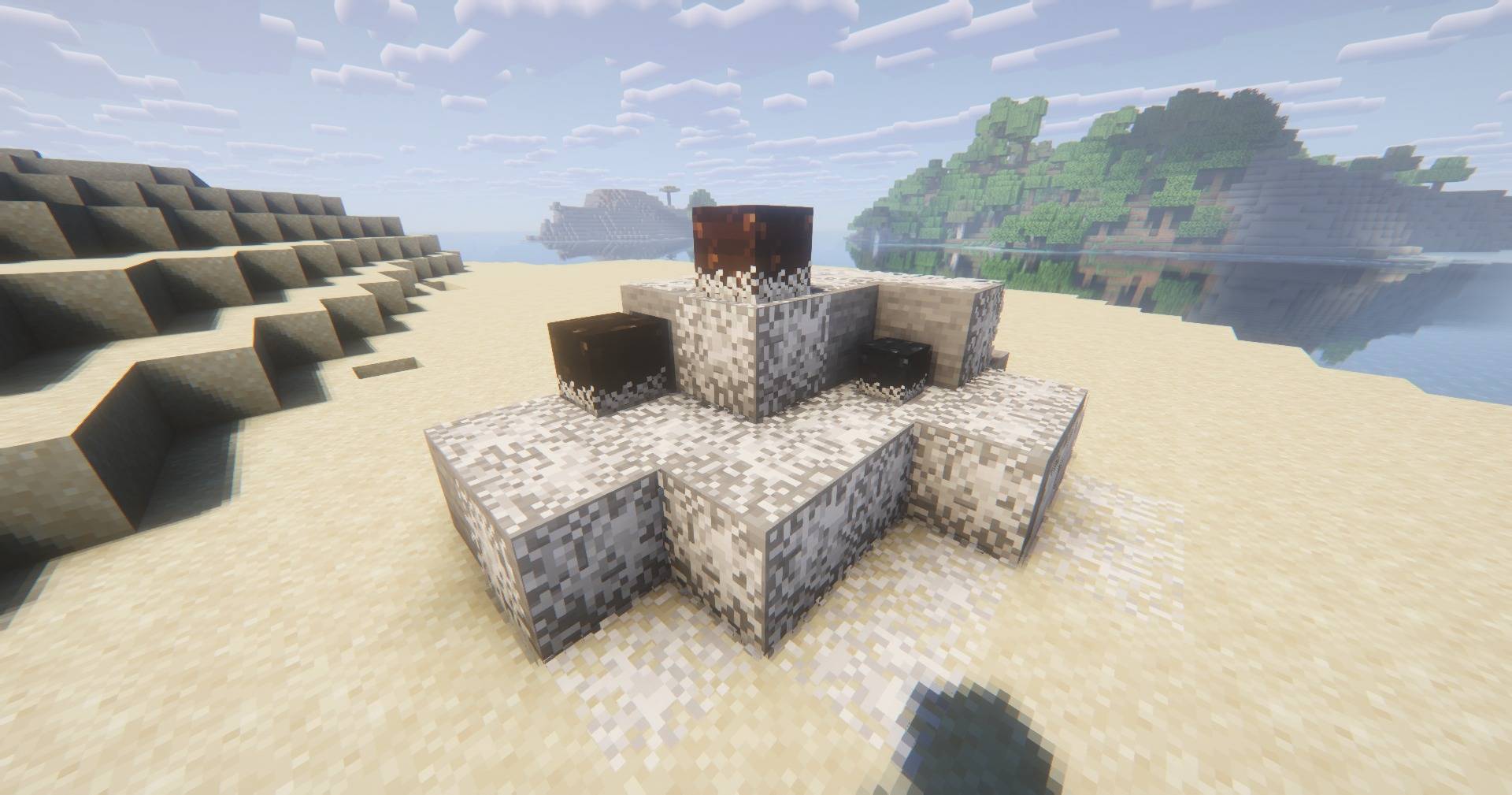
Spider Eggs can be discovered naturally or produced through breeding.
-
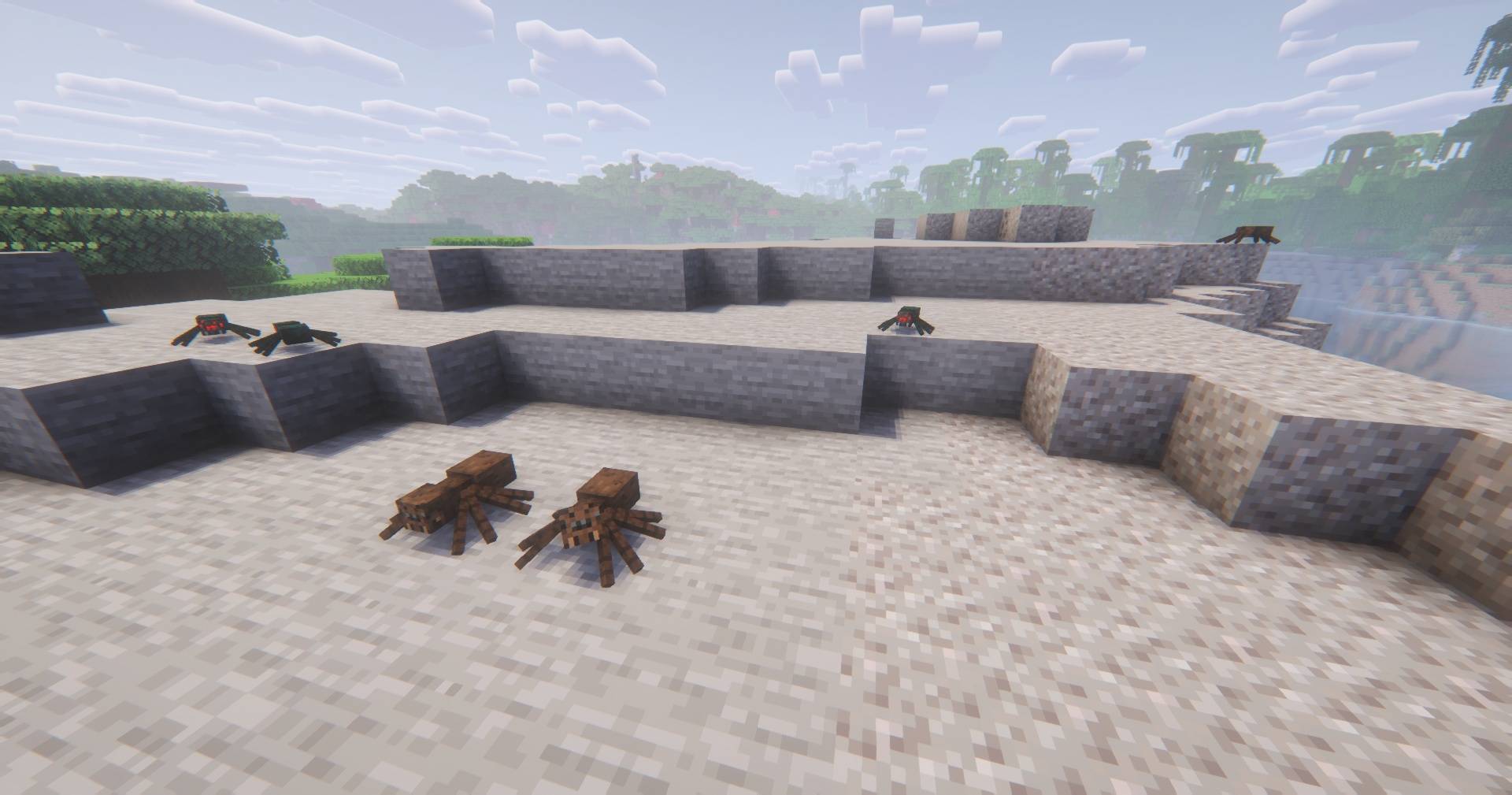
Regular Spider Eggs hatch into 2 baby spiders
-
Cave Spider Eggs hatch into 3 baby Cave Spiders
-
Forest Spider Eggs hatch into 2 baby Forest Spiders
-
Eggs can be safely collected using Shears
-
Collected eggs retain their remaining hatch progress when placed again
-
Spider Eggs are not destroyed by flowing water
-
Incubating eggs begin to shake and make cracking sounds as they develop
-
Egg activity becomes progressively more intense as hatching gets closer
-
Shortly before hatching, eggs shake more violently with frequent cracking and spider sounds
Baby spiders do not naturally spawn in the world. They only come from Spider Eggs.
Naturally generated eggs are considered Wild Eggs. Stepping on one or interacting with it without Shears can disturb it and cause a baby spider to emerge.
Wild, Passive & Tamed Spiders
Spiders can exist in three different states.
Wild Spiders are naturally encountered spiders and spiders produced by disturbed wild eggs. They retain their normal hostile behavior.
Passive Spiders come from eggs that have been safely collected, placed, bred, or otherwise raised by the player. They do not attack players, remain persistent, and are designed for spider farms.
Tamed Spiders are created by feeding a baby spider Spider Kibble before it grows up. Once grown, tamed spiders can be saddled, ridden, bred, and kept as permanent companions.
Forest Spiders
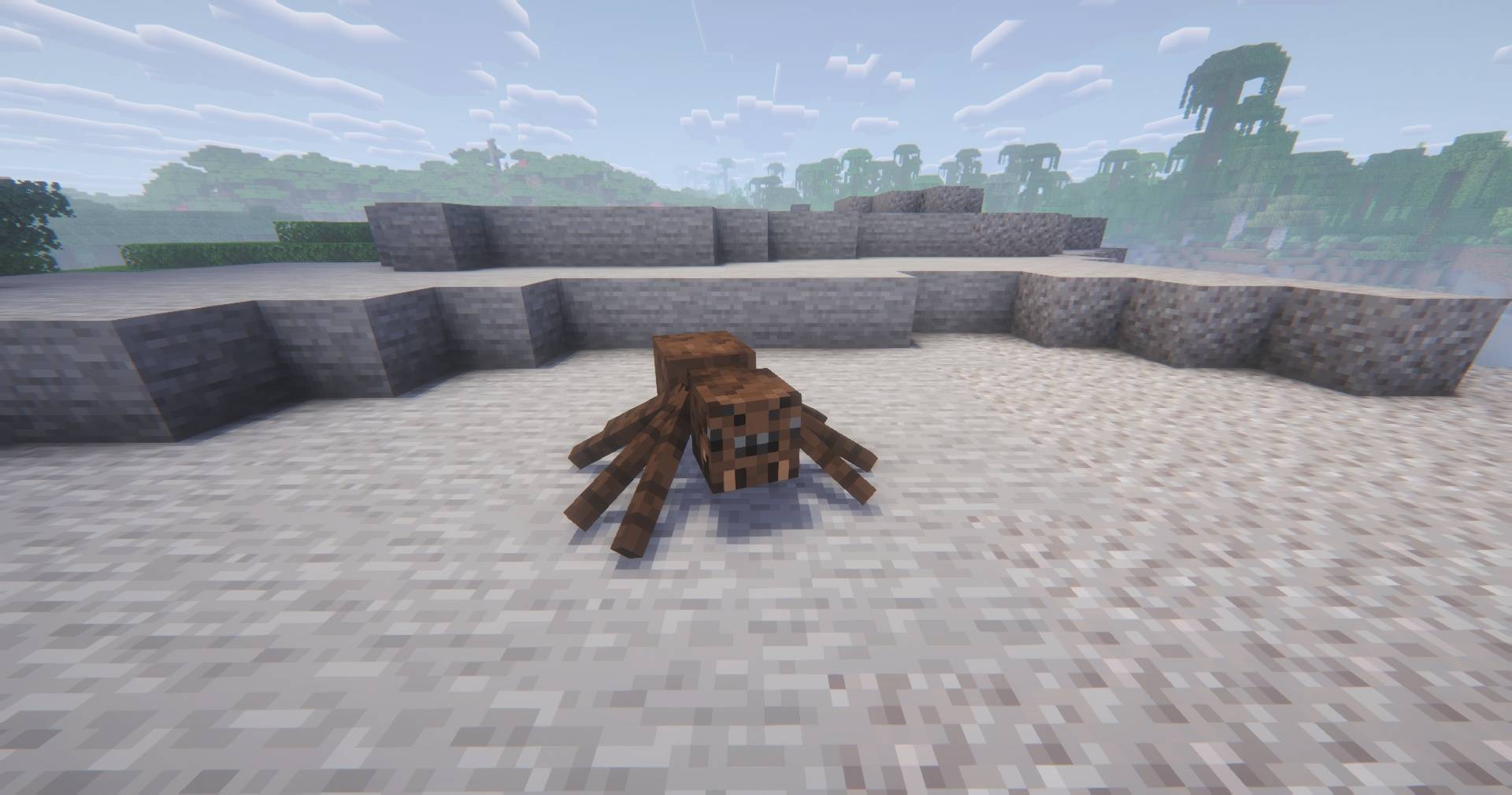
Forest Spiders are a new spider variant found in forested areas. They have a lighter brown/tan appearance, dark eyes, their own eggs, and their own surface nests.
Wild Forest Spiders are naturally aggressive, but after chasing a player for a while they can become bored and enter a temporary calm state. This is your opportunity to approach and breed them before they become aggressive again.
Forest Spiders follow the same Wild, Passive, and Tamed progression as other spiders.
Baby Forest Spiders hatched from eggs can be tamed with Spider Kibble.
Spider Nests
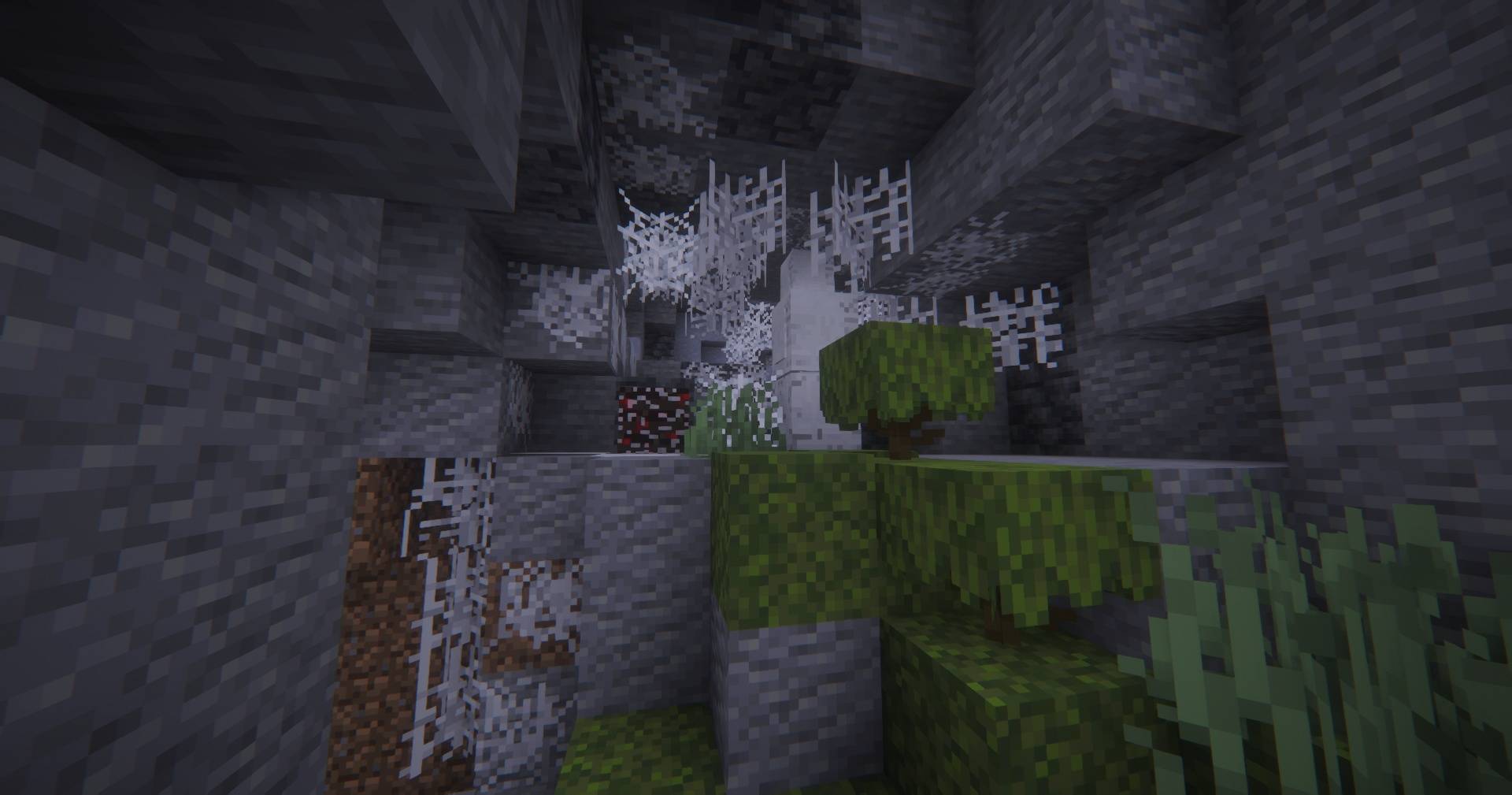
Wild Spider Eggs can generate inside naturally formed spider nests.
Underground nests can contain:
-
Regular Spider Eggs
-
Cave Spider Eggs
-
Webbing
-
Hanging Webs
-
Vanilla Cobwebs
-
Webbed Blocks
-
Webbed Cocoons
Spider Spawner dungeons can also become heavily infested with these nest materials, making them feel more like established spider colonies instead of normal dungeons with a spawner.
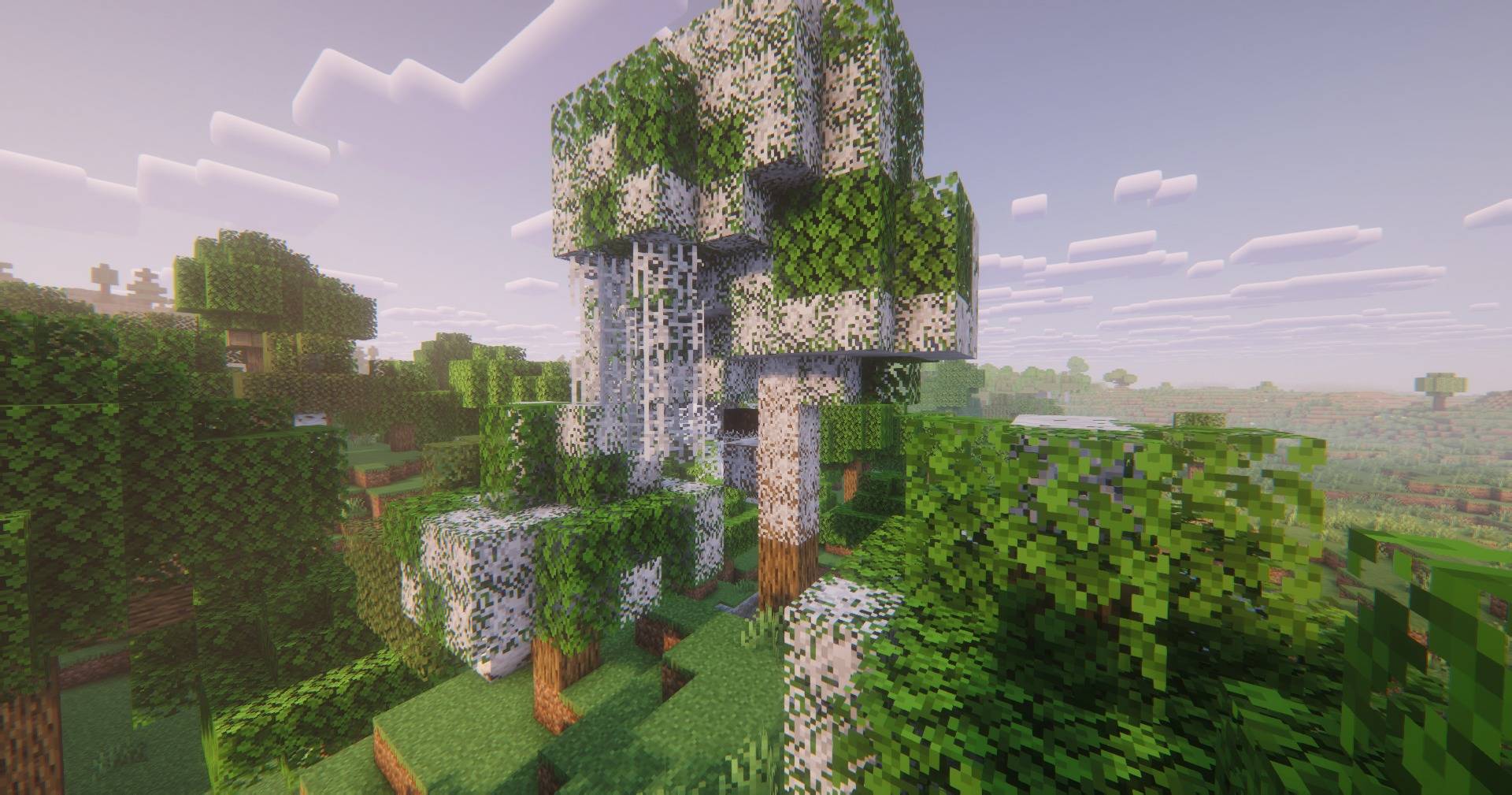
Forest Spider Nests
Forested areas can generate special Forest Spider Nests around trees.
These nests can contain:
-
Forest Spider Eggs
-
Webbing across trees and terrain
-
Hanging Webs beneath leaves
-
Vanilla Cobwebs
-
Webbed Blocks
-
Webbed Cocoons
Naturally generated Forest Spider Eggs are Wild Eggs and can be safely collected with Shears.
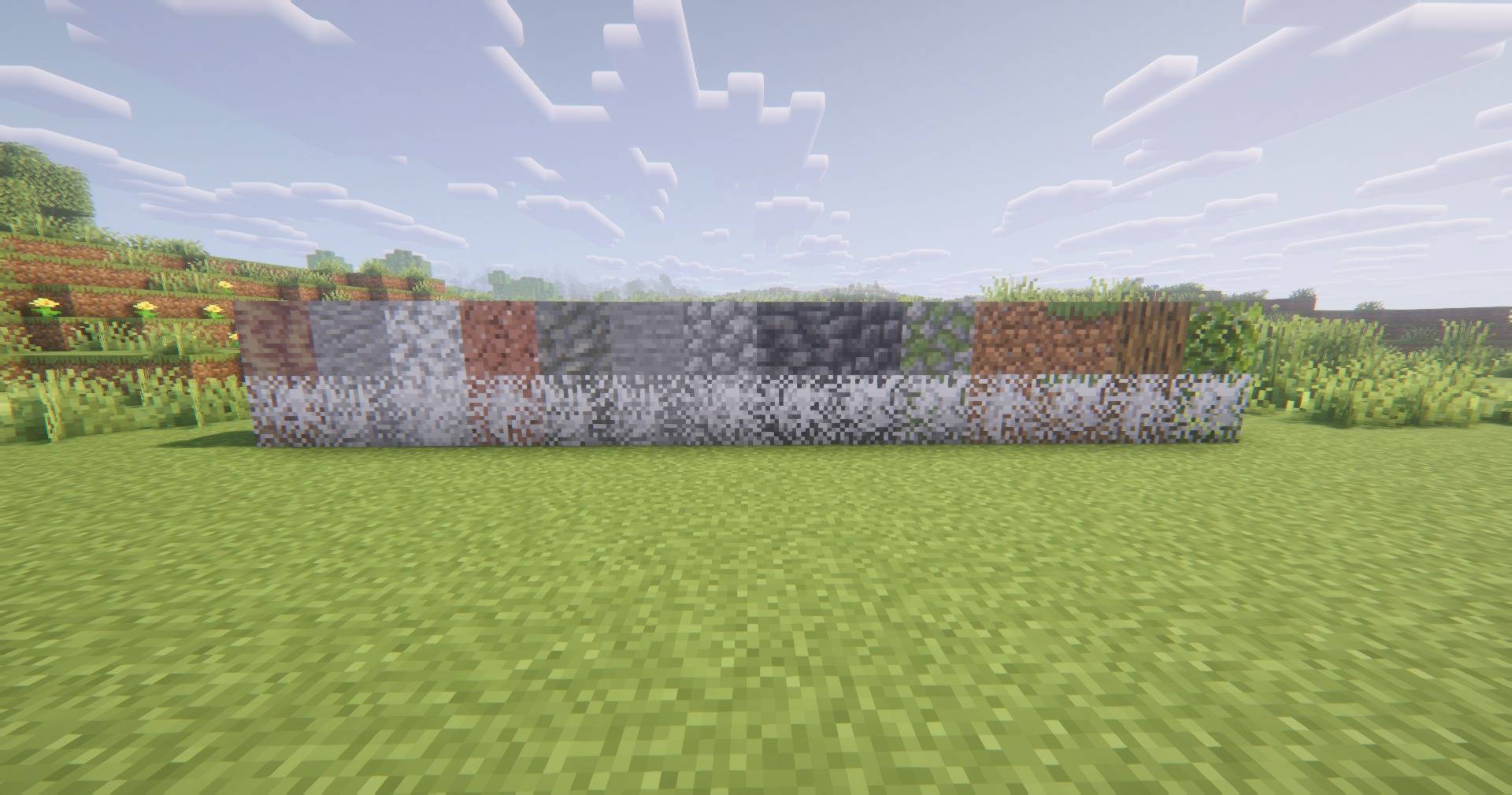
Webbed Blocks
Spider infestations can spread across the surrounding environment, creating Webbed variants of natural blocks around spider nests.
Underground nests and infested Spider Spawner dungeons can cover nearby stone, dirt, and other compatible underground blocks with webbing, while Forest Spider Nests can web nearby terrain, logs, and leaves.
Webbed Blocks keep the appearance of their original block underneath while being covered in spider webbing.
There are two main ways to harvest them:
-
Shears remove the webbing and give you String
-
Silk Touch allows you to collect the Webbed Block itself
This makes naturally generated nests a renewable source of web materials while also allowing Webbed Blocks to be collected for building and decoration.
Spider Saddles & Riding
Tamed adult spiders can equip a Spider Saddle and become rideable mounts.
Spider Saddles can be found as loot inside Spider Spawner dungeons.
While riding a spider:
-
You directly control its movement
-
Press Space to pounce forward
-
Spiders handle uneven terrain well and can be useful exploration mounts
Both regular Tamed Spiders and Tamed Forest Spiders can be ridden.
Webbing
Webbing is a thin placeable block that can attach to floors, walls, ceilings, corners, and multiple faces of the same block space.
Webbing slows most creatures, while spiders can move through it normally.
Breaking Webbing normally gives String, while using Shears lets you collect the Webbing block itself.
Flowing water can wash Webbing away.
Hanging Webs
Hanging Webs form long strands from ceilings, trees, and leaves.
Naturally generated strands can reach roughly 3–10 blocks long and connect vertically to create continuous webs.
Like Webbing, they slow most creatures while spiders remain unaffected.
Breaking them normally gives String, while Shears let you collect the Hanging Web itself.
Webbed Cocoons
Spider nests can contain Webbed Cocoons, which can form roughly 1–2 block-tall clusters.
Breaking a Webbed Cocoon always gives 3 Bones.
It may also contain:
-
1–5 Rotten Flesh
-
1–5 Raw Porkchops
-
1–5 Raw Beef
Each meat type has its own chance to appear, meaning a single cocoon can contain multiple types of loot.
Flowing water can wash cocoons away.
Spider Hunting
Spiders can occasionally hunt nearby Pigs and Cows, giving them more natural behavior and creating additional possibilities for spider farms and mob-based setups.
Locator Commands
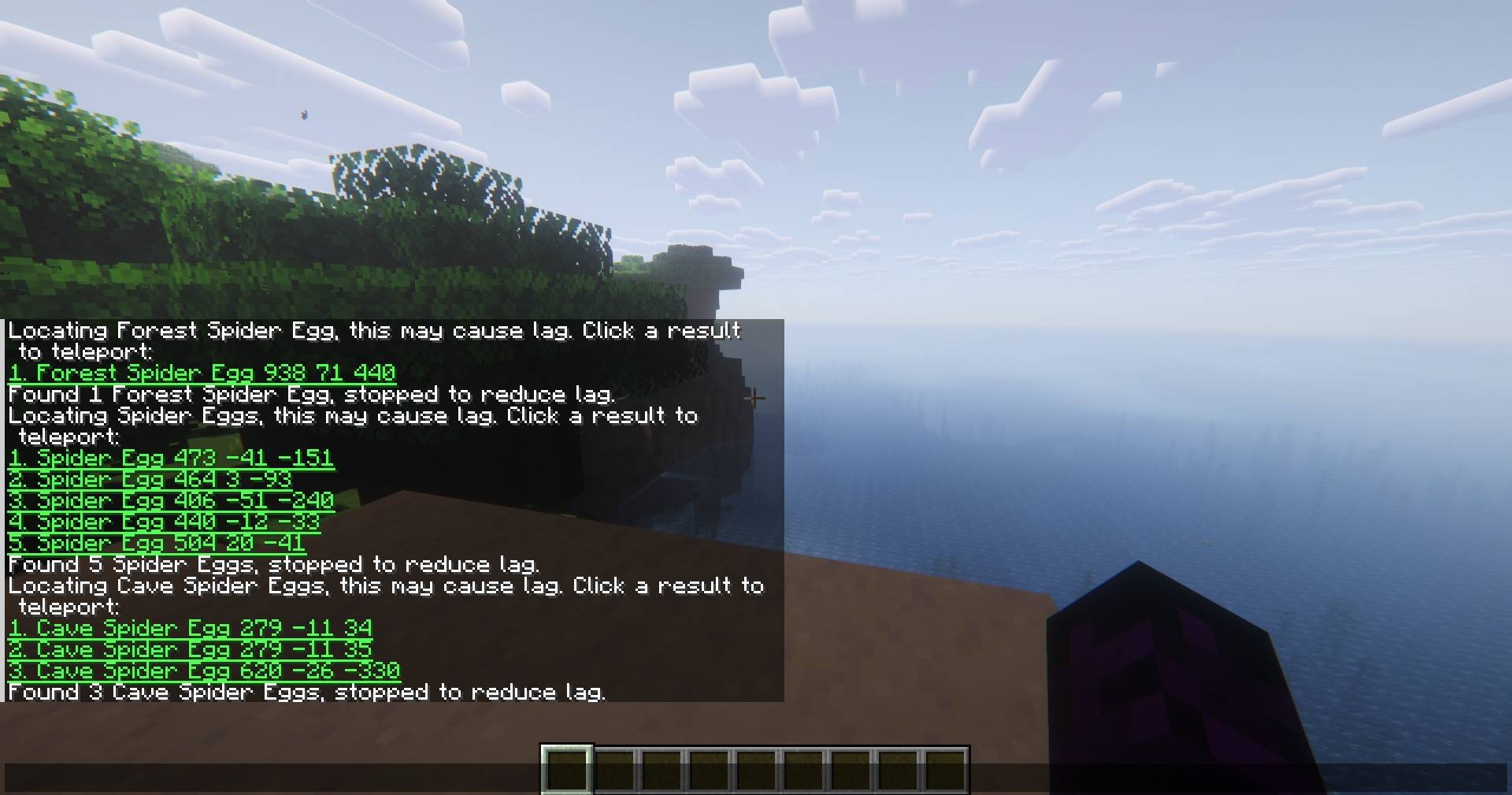
Several commands are available for locating spider-related structures and eggs.
/spideregg locate egg spider
Locates nearby Regular Spider Eggs.
/spideregg locate egg cave
Locates nearby Cave Spider Eggs.
/spideregg locate egg forest
Locates nearby Forest Spider Eggs and Forest Spider nesting areas.
/spideregg locate spawner
Locates nearby Spider Spawners and can display multiple results with clickable teleport options.
Made for Spider Farming
The mod is designed around creating a full spider-farming progression.
Explore caves and forests, discover wild nests, carefully collect eggs, raise Passive spiders, tame babies with Spider Kibble, breed your spiders, gather web materials, loot cocoons, find Spider Saddles, and eventually raise your own rideable spider colony.
It also pairs especially well with mods that add more uses for spiders and spider drops, including Dungeon’s Delight and other food, farming, or dungeon-focused mods.
Minecraft Version: 1.21.1
Mod Loader: NeoForge
LunarAgony / LullabyTMNPlays
Screenshots
Gallery
-
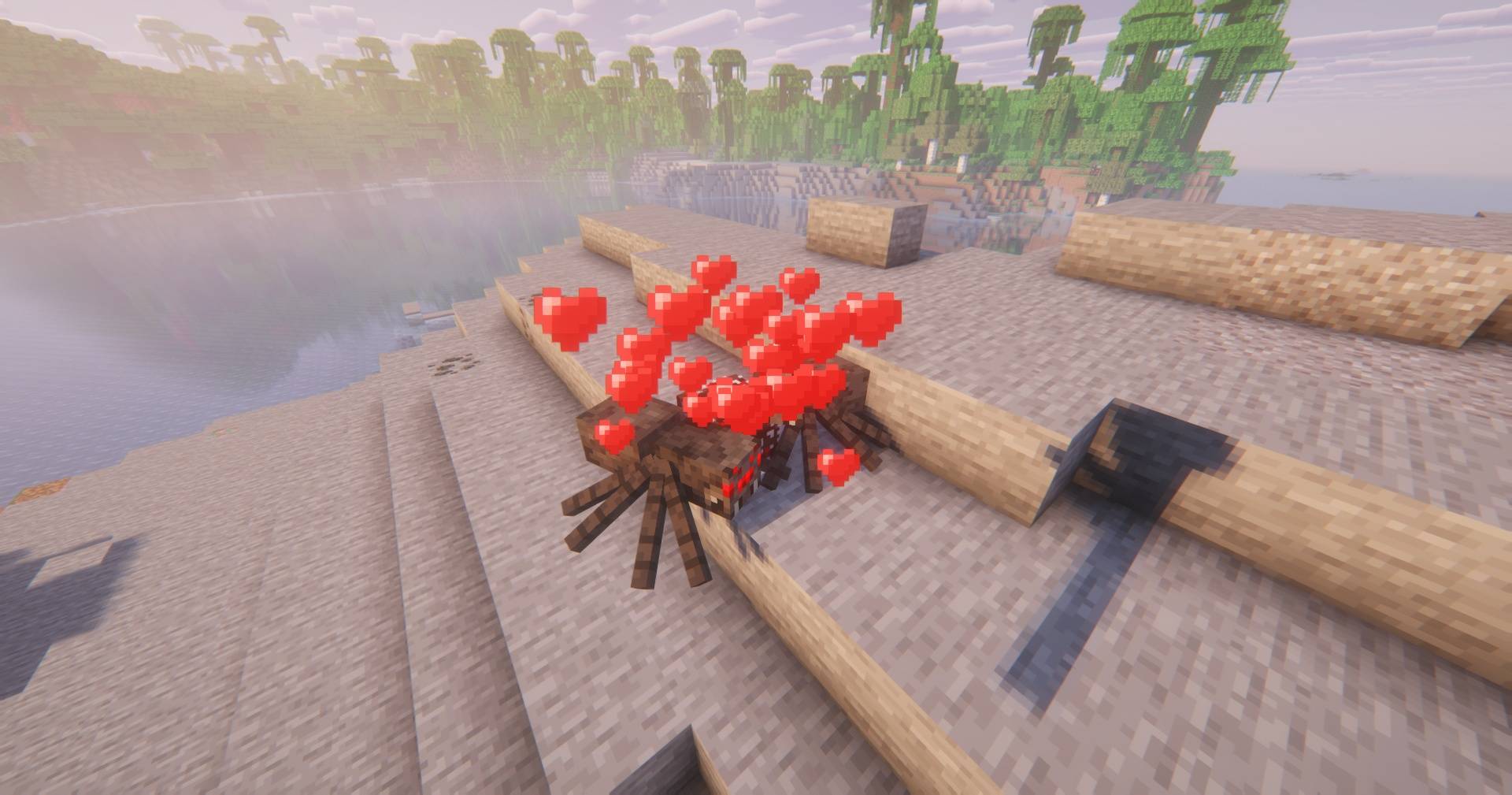 Spider Breeding.jpg Spider Breeding.jpg
 -
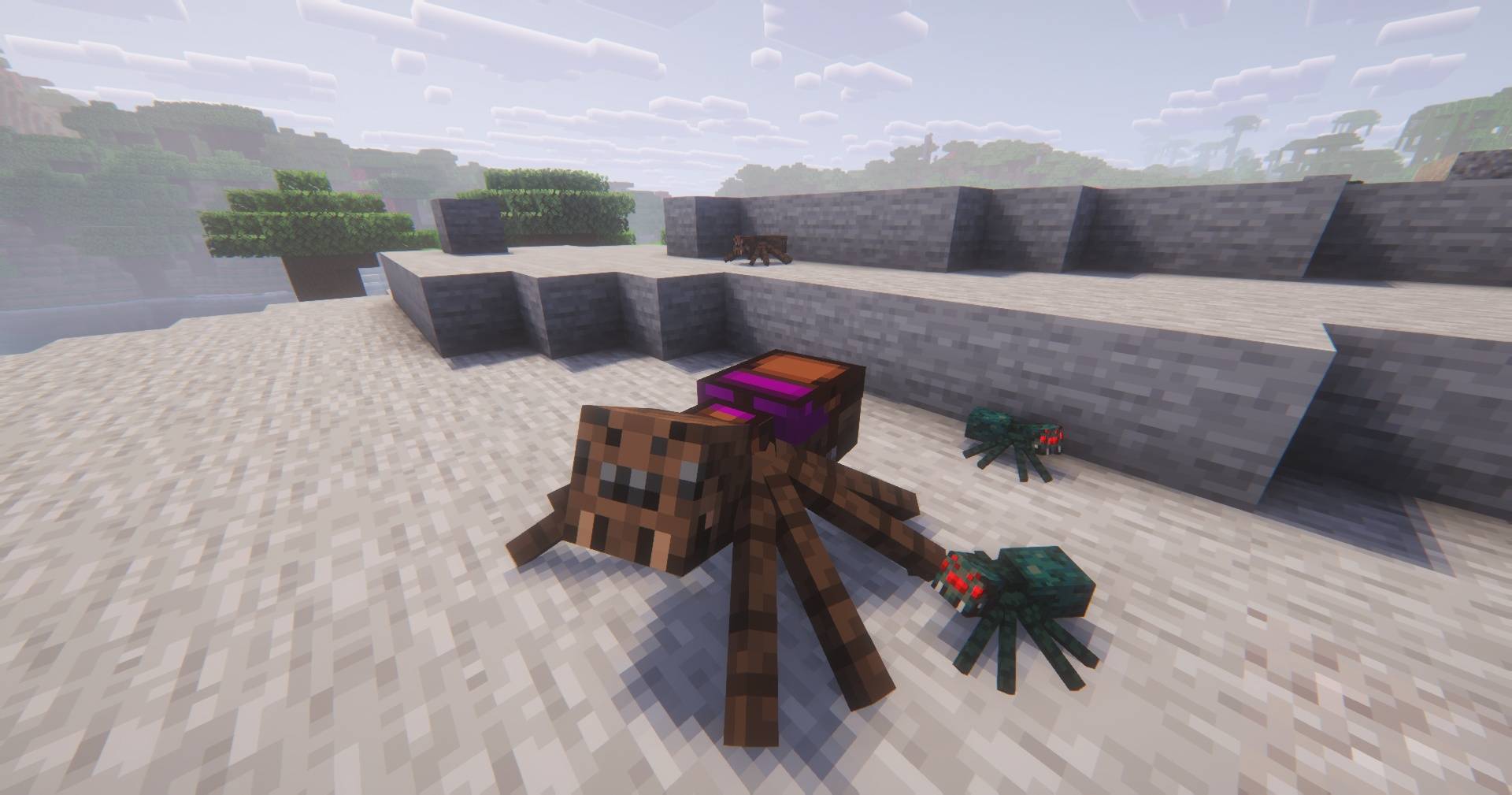 Spider Saddle.jpg Spider Saddle.jpg
 -
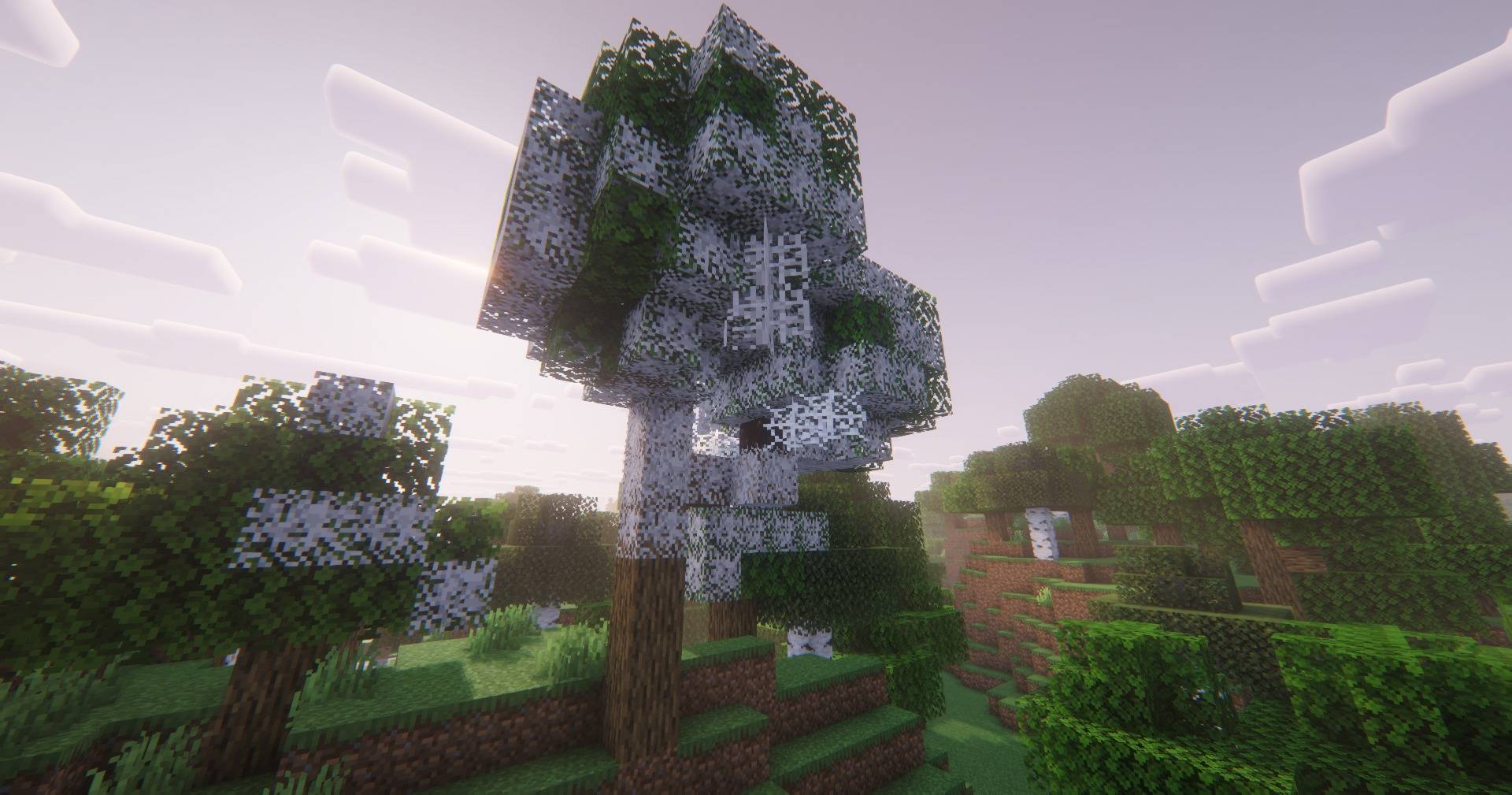 Forest Spider Nest.jpg
 -
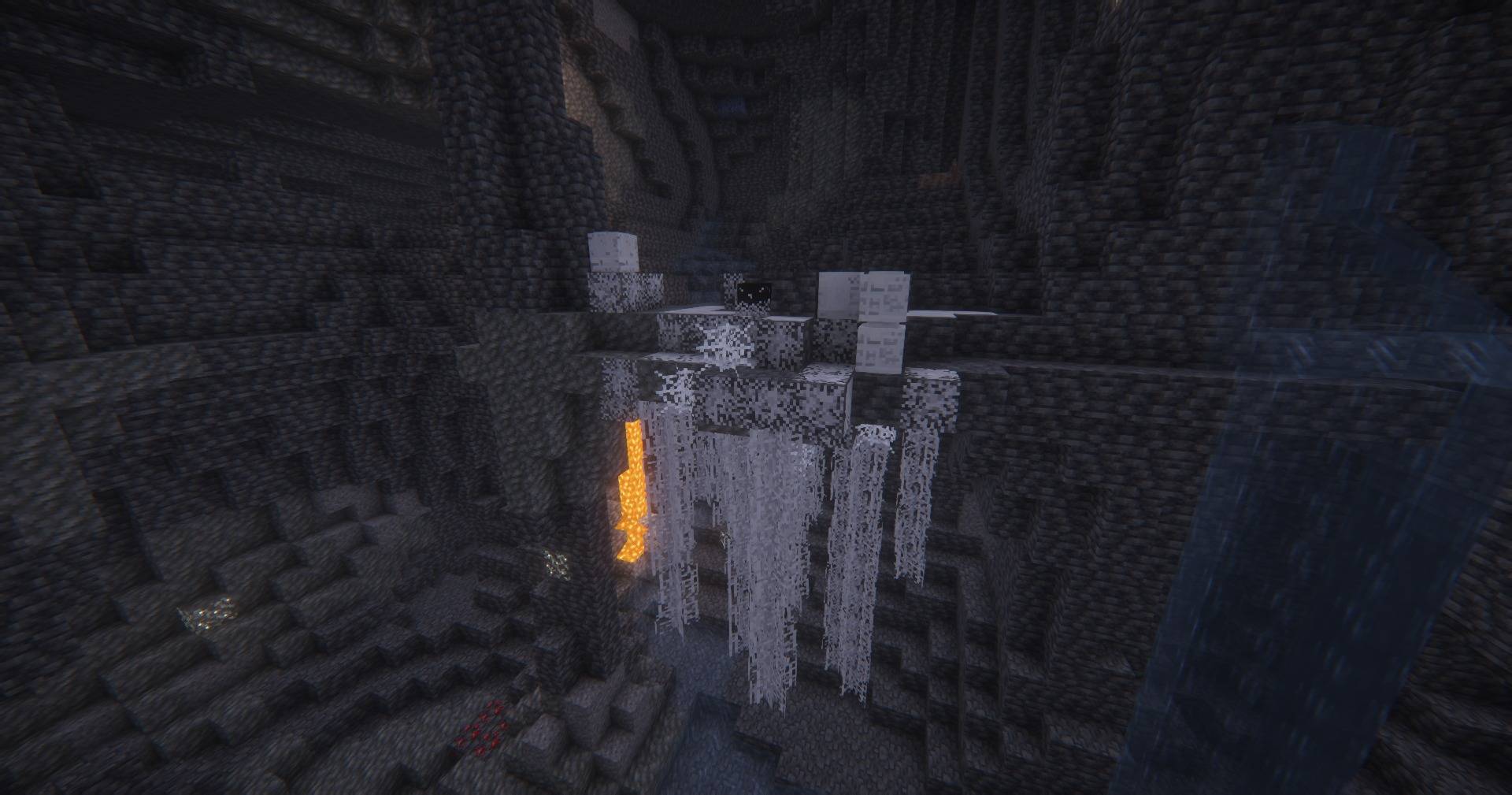 Nest Generation.jpg
 -
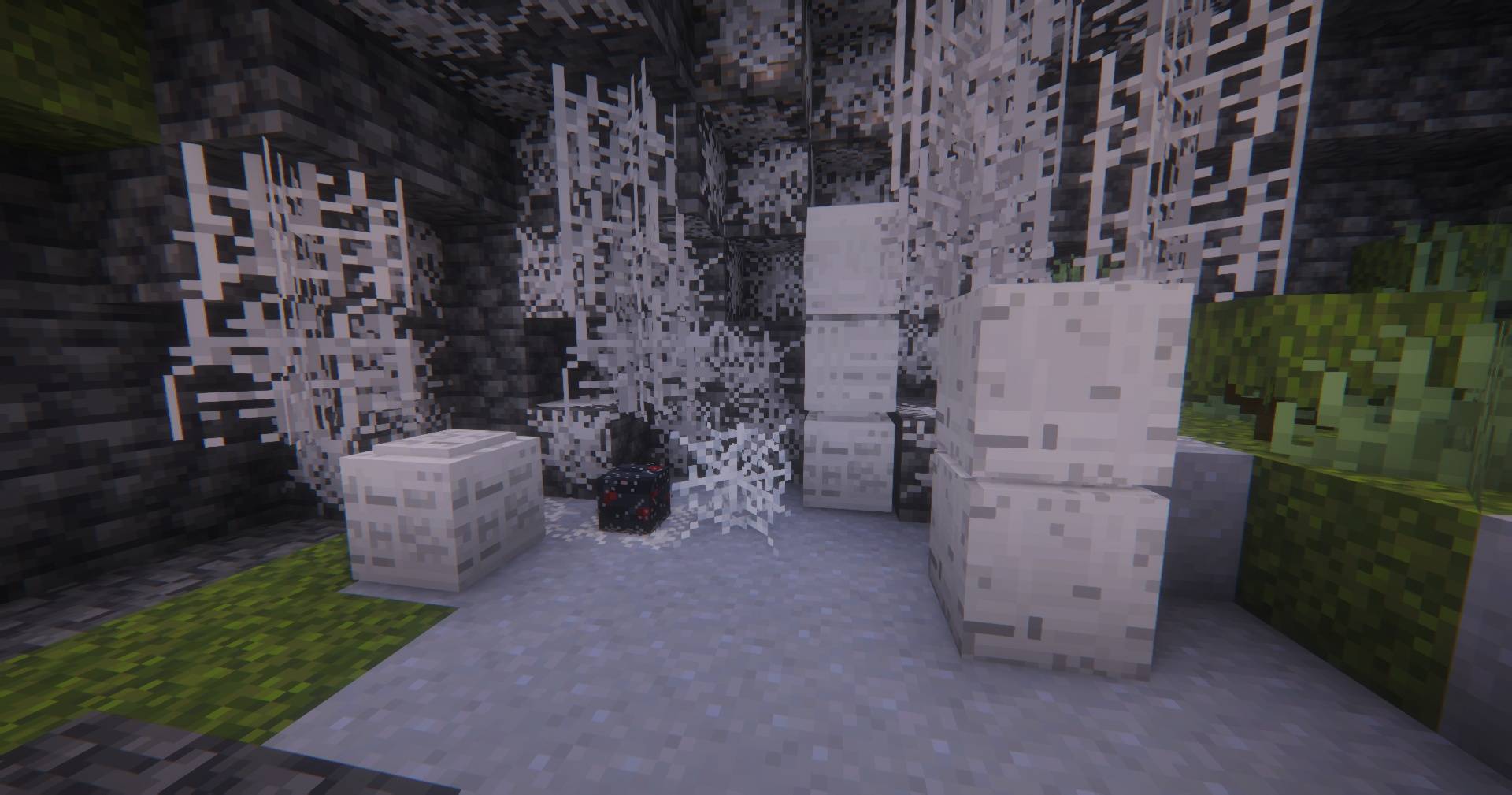 Cave Spider Nest.jpg Cave Spider Nest.jpg
 -
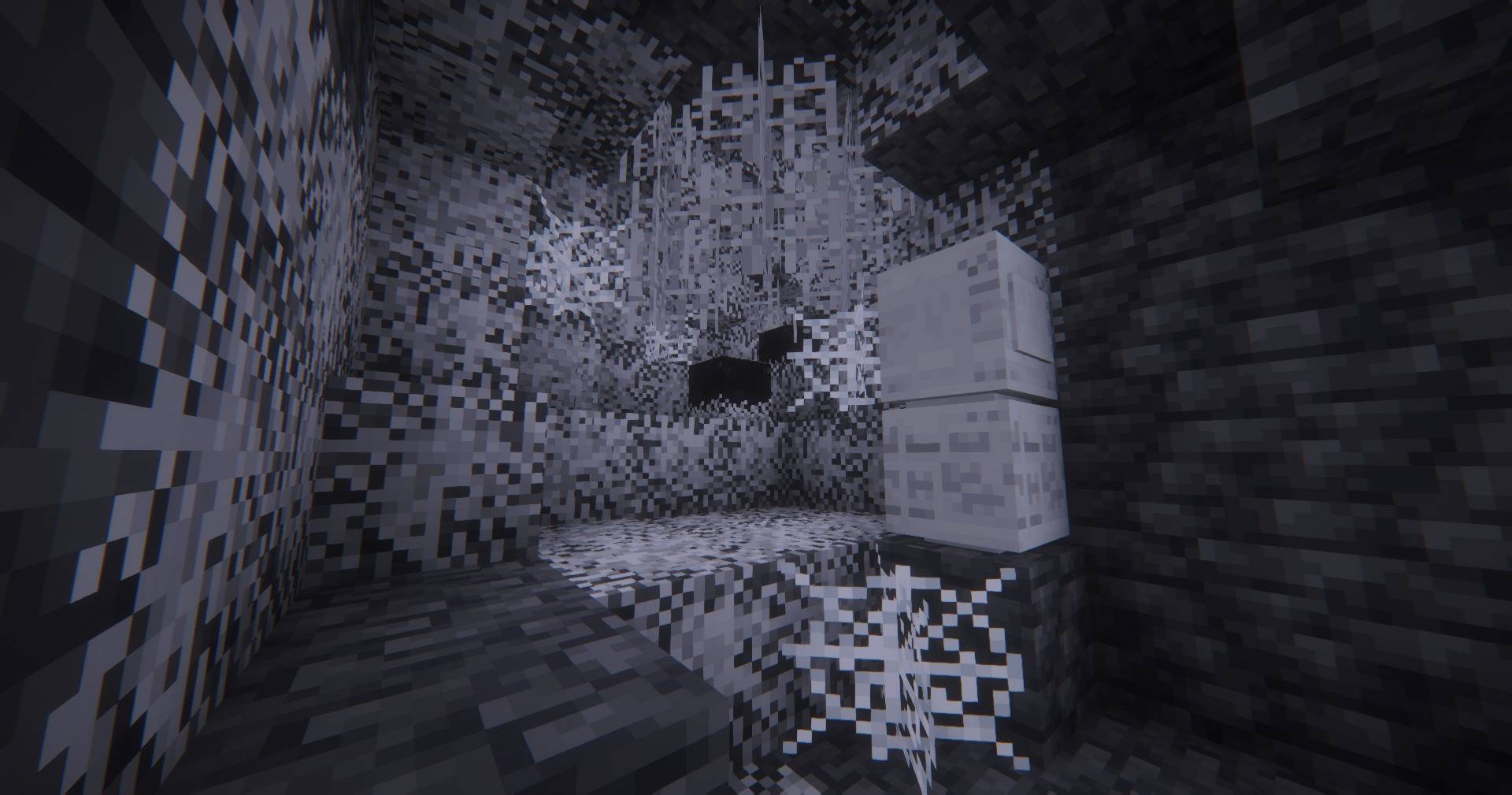 Webbed Blocks Generation.jpg
 -
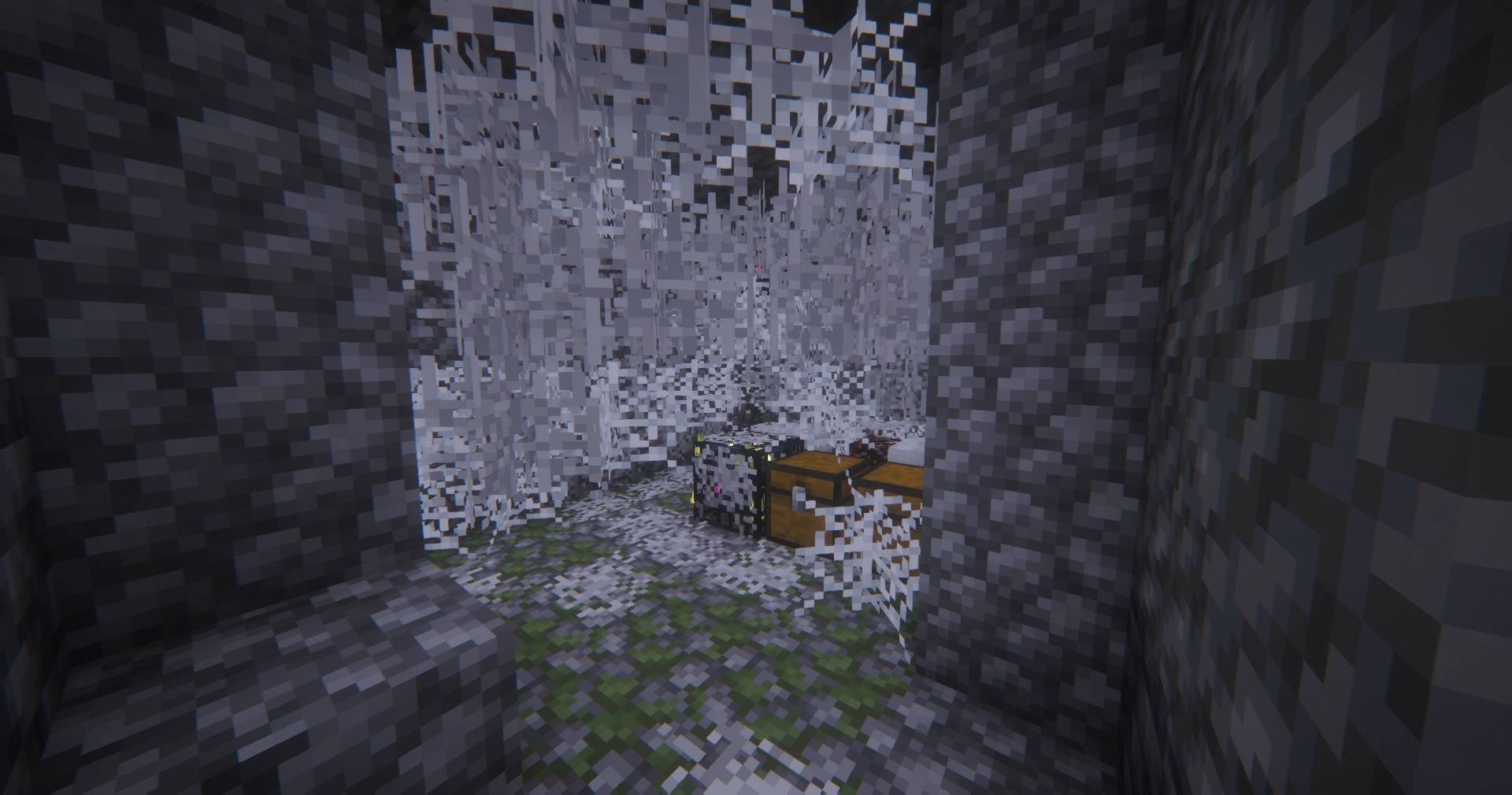 Spider Spawner.jpg Spider Spawner.jpg
 -
 Spider Nest.jpg Spider Nest.jpg
 -
 Baby Spiders.jpg Baby Spiders.jpg
 -
 Forest Spider.jpg Forest Spider.jpg
 -
 Mod Commands.jpg Mod Commands.jpg
 -
 Forest Spider Nest 2.jpg
 -
 New Spider Eggs And Webbing Textures.jpg
 -
 Webbed Block Varients.jpg
Versions
Files
Relations
Project Relations
More like this
Similar Mods
Suggestions use data such as tags, dependencies, dependents, descriptions, titles, and more to rank how much they overlap with this mod.
On ModDex
Community snapshot
By the numbers
Statistics
Want to reach Minecraft players?
We're looking for a server hosting partner to feature here and other parts of the site. Interested? Send us a message!
Get in touchGet it on
Available Platforms
On ModDex
Community snapshot
By the numbers
Statistics
Resources