Community listing page, reviews here may not be monitored by the author.
Tars Okey

No reviews yet
Turkish Okey and Tavla on real tables: the Rummikub-style tile game with 106 tiles and istaka racks, plus backgammon with 30 checkers and dice. AI uncles, live stakes, a turn clock, nargile and cay.
Community voices
Reviews
No reviews yet. Be the first to review this project!
Get it on
Available Platforms
About
Project Details
For authors
Embed Badge
If you're the author of this project, you can embed a live badge anywhere that supports HTML or Markdown. It updates automatically whenever ratings change.
Use HTML for any page that supports it, or Markdown for README files and Markdown-based descriptions.
Identifiers
Platform IDs
Resources
External Links
About
Description
Tars Okey
Two Turkish table games — Okey and Tavla — played on real tables, right there in the world.
No abstract menu game. Tars Okey puts a hand-built wooden table into Minecraft: green felt, brass trim, four stools, four istaka racks and all 106 tiles. You sit down, the tiles are dealt onto your rack, and you play on the table itself — reach for a tile with your crosshair, drag it where you want it, throw it on the pile. No window required.
Next to it stands the Tavla table: Turkish backgammon, two seats, a real board with 30 checkers and two dice. Same idea, same hands-on table.
The table
- A 2×2 block table you place like any other block. Right-click to take a free seat.
- Four seats, four istaka racks, the talon in the middle, the gösterge face up beside it, two dice on the felt.
- Everything is visible to everyone at the table — including people who are just watching. Spectators see the talon, the discard piles, whose turn it is, how many tiles each player holds.
- Face-down tiles are never sent to other clients. The server transmits only the number of tiles in a foreign hand, never which ones. You cannot cheat by reading packets, because the data is not there.
Playing on the table
Everything runs off the right mouse button. What you aim at gets a golden outline, so you always know which tile you are about to touch.
| You want | You do |
|---|---|
| Draw from the talon | One click on the stacks in the middle |
| Take the open tile of the player on your left | One click on their pile |
| Move a tile | Hold, drag it to the slot you want, release |
| Discard | Hold and release at the front right of your rack — with two or three players the tile lands at the next player on its own |
| Finish the round | Hold your last tile and release it over the middle of the table — it goes face down onto the talon |
| Changed your mind | Left-click while dragging |
| Open the window (start, ready, uncles, settings, stakes, leaving) | Press O |
A turn clock sits at the top of the screen while you play: when it is your turn you see the time left in large digits with a shrinking bar that turns red in the last ten seconds and ticks softly in the last five. Everyone else sees who is on turn and how long they have.
The window is only for the table itself — starting, getting ready, adding or removing uncles, settings and stakes. It shows no tiles: the game is played on the table only. When someone wins, everyone sees the winner's rack for five seconds, laid out exactly as the winner arranged it.
Why the istaka has more slots than tiles
Each rack has two rows of eleven slots — 22 for at most 15 tiles. That is on purpose: only with free slots can you lay a hand out in groups with gaps between them, the way you do at a real table. The gaps stay where you put them, even after you discard. Nothing slides around behind your back.
The Okey uncles
Short on players? Sit down with Mehmet, Kemal, Sabri or Orhan Amca. They are modelled and animated: they rest their forearms on the table edge, reach out when they draw, turn their heads to whoever is playing, and rock gently while they think.
Three strengths — easy-going, shrewd and coffee-house master. They see exactly what a human sees: their own hand and what lies open on the table. They do not look into the talon, and they do not look at your tiles.
In 300 test rounds against a player throwing at random, the uncles won 238 : 0.
Stakes
Want to play for something? Each seat has its own stake tray. Open the stake window and you see every tray at the table, live — the other seats with their names on top, yours at the bottom. Drag in whatever you want to bet; the moment someone else adds something, it shows up for everyone. The lobby lists each player's stake next to their name too. Everyone puts in their own; nobody can reach into anyone else's.
The moment a round starts the trays lock. Every round is its own game: whoever finishes takes everything, straight into their inventory — no button to press, and anything that does not fit drops at their feet. A draw or a round won by an uncle gives every player their own stake back; so does standing up before the round starts. Then the table returns to the lobby and everyone can bet again. Stakes only count between players: if you sit alone with uncles, your tray stays open and untouched. Nothing is duplicated and nothing is lost — checked after every step in the test suite.
Nargile and çay
A kahvehane without a water pipe and a glass of tea is not a kahvehane.
- The nargile is a placeable block: tray, glass vase with water, brass stem, clay bowl, wind cover and a ribbed hose. Right-click to draw on it — the coal glows, it bubbles, it smokes. Decoration, no gameplay advantage.
- Çay comes in a proper ince belli bardak, the thin-waisted glass, with saucer, two sugar cubes and a spoon. Drink it from your hand, or put it down on a corner of the Okey table and pick it up again between rounds.
The rules
The full classic game, not a simplified version:
- Played counter-clockwise, like at a real table: take from the left, discard to the right. The player to the right of the dealer starts with 15 tiles
- 106 tiles: four colours, 1–13, twice each, plus two false okeys
- Gösterge and okey, series and sets, the 1 counting both high and low
- Çift — seven pairs — is a valid finish
- Every round is its own game: the winner takes the stakes immediately, then it is back to the lobby
- When an uncle wins, his rack is laid out in its winning groups for everyone to see
- 2 and 3 players use the full 106-tile set with unchanged rules
Every invalid move is refused and explained, on the server, every time.
Tavla — the second table
Turkish backgammon, at its own table. Craft it, place it, sit down: two stools facing each other, a wooden board with 24 points, 15 checkers per side, two dice and a leather cup at each end.
- Played on the board, exactly like Okey. Right-click the dice in front of you to roll, then click your checker and the point it should go to. What you aim at lights up
- Classic Tavla: doubles count four times, a hit checker goes on the bar and must re-enter before anything else, and you bear off once all fifteen are home. No doubling cube
- Match to 5 wins, adjustable from 1 to 7. A Mars counts as one win — the way it is played in the coffee house
- Borne-off checkers rest in felt trays beside the board, where you can count them from across the table
- Stand up in the middle of a game and it counts as a loss, not a Mars
- A turn clock as at the Okey table: 30, 60 or 120 seconds, or off. When it runs out, the move is made for you
Short on players here too? The uncles sit down at the Tavla board as well, in the same three strengths. They look at the board and the dice, nothing else.
Two uncles played 240 games against each other: the coffee-house master beat the easy-going one 211 : 29.
Stakes work exactly as at the Okey table — both players pay in, the winner takes the pot.
Servers and multiplayer
- Works in singleplayer, over LAN and on dedicated Forge, NeoForge and Fabric servers
- The whole game runs on the server. The client only ever gets what is openly on the table.
- Any number of tables, each with its own game
- Games and stakes survive a server restart
- A table cannot be broken while a round is running or while stakes are in it
- /okey finde and /okey aufraeumen find and clean up stray tables
Requirements
Three builds of the same game — pick the one for your setup:
- Minecraft 1.20.1 with Forge 47.2.0 or newer in the 47 branch
- Minecraft 1.21.1 with NeoForge 21.1.1 or newer
- Minecraft 1.21.1 with Fabric Loader 0.15.11 or newer and Fabric API 0.116.0 or newer
- Client and server, if you play on a server
Getting started
- Craft an istaka (planks), a tile set (clay, bone meal and four dyes) and then the Okey table.
- Place it, right-click to sit down.
- Add uncles if you like, everyone readies up, the host starts.
- The gösterge appears on screen for five seconds — the next tile up in the same colour is the okey.
- Play on the table. When your hand is complete, drop your last tile on the middle of the table to finish.
For Tavla: craft the Tavla table (planks, a bone, brown wool and two logs), place it, sit down, add an uncle or wait for a second player, and start. Roll by right-clicking the dice in front of you; press O to open the window during a game.
Language: English, German and Turkish (Türkçe), fully translated. Model, textures, sounds and rules built from scratch for this mod.
Screenshots
Gallery
-
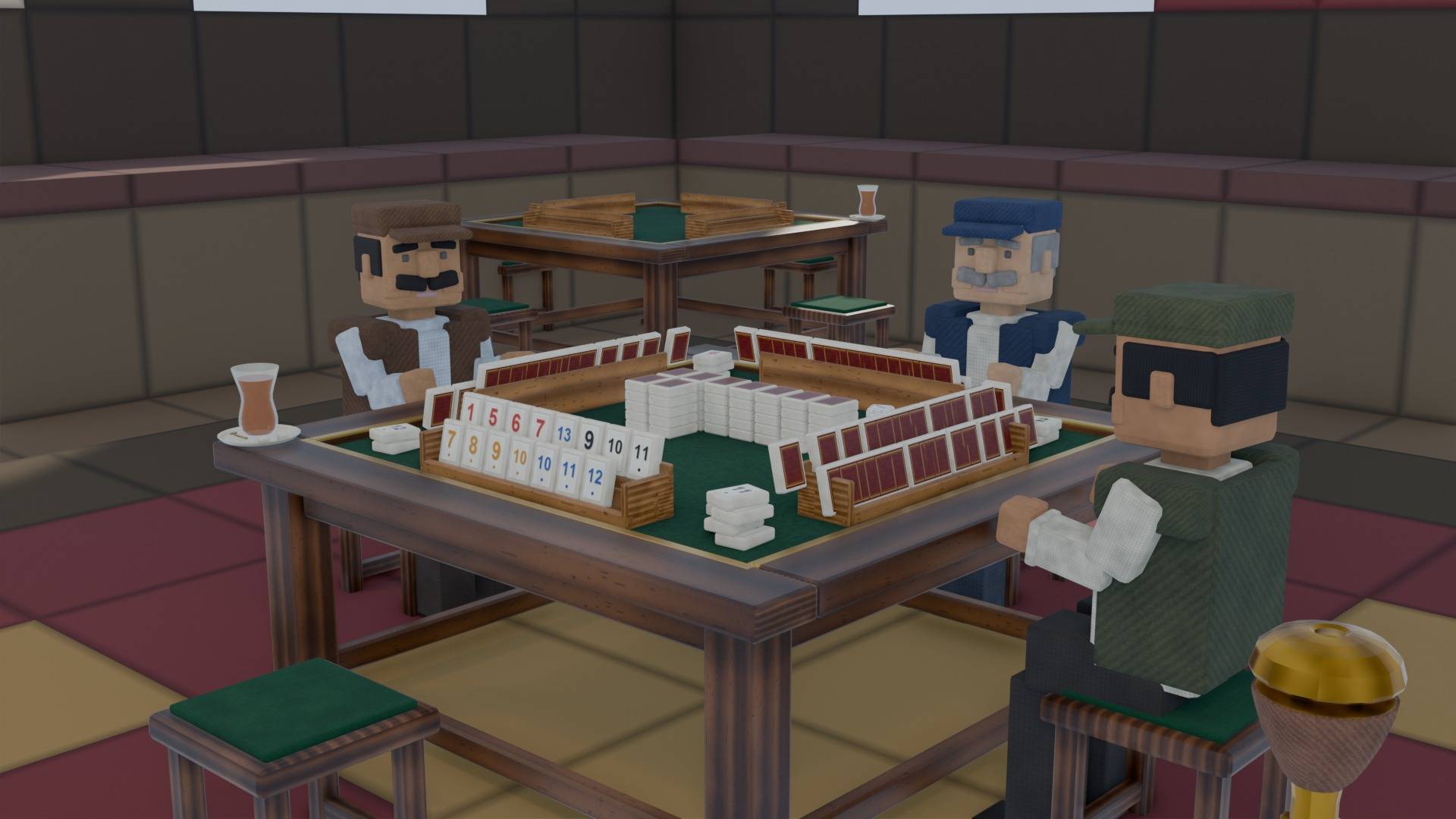 A full table in the coffee house - three Okey uncles and your seat A full table in the coffee house - three Okey uncles and your seat
 -
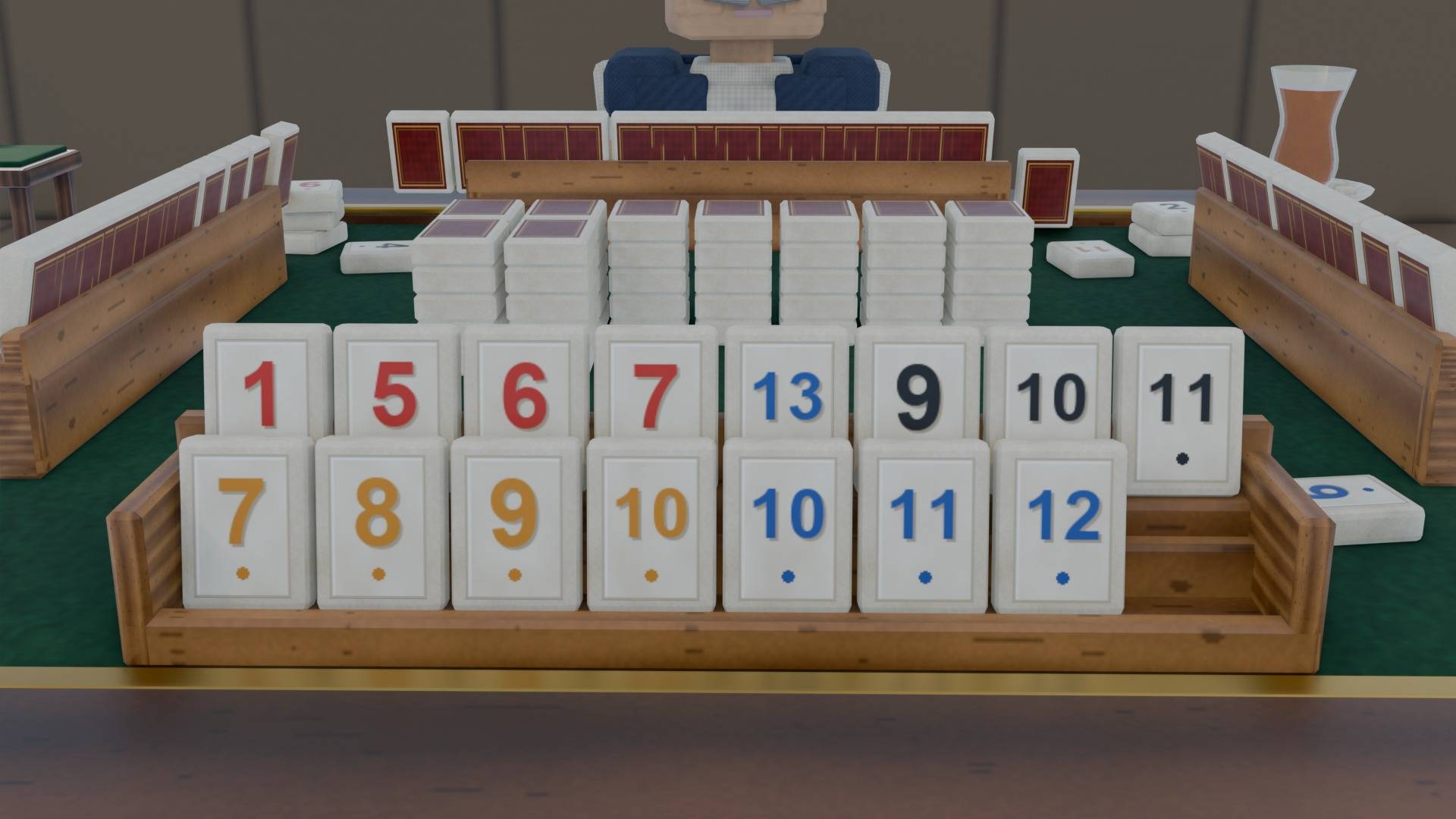 Your seat: fifteen tiles on the istaka, the talon in the middle Your seat: fifteen tiles on the istaka, the talon in the middle
 -
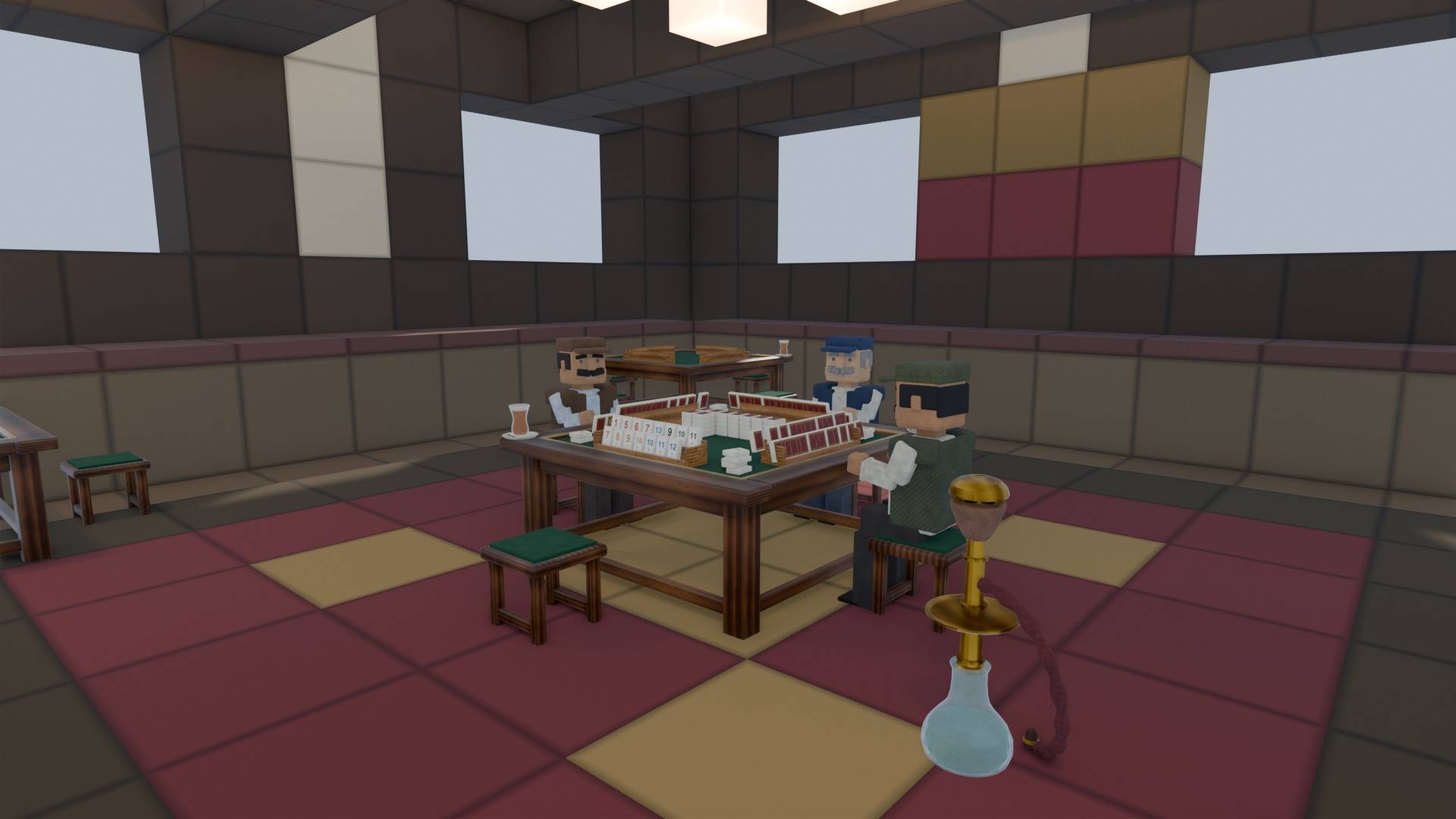 The coffee house: several tables, tea counter, stove, daylight The coffee house: several tables, tea counter, stove, daylight
 -
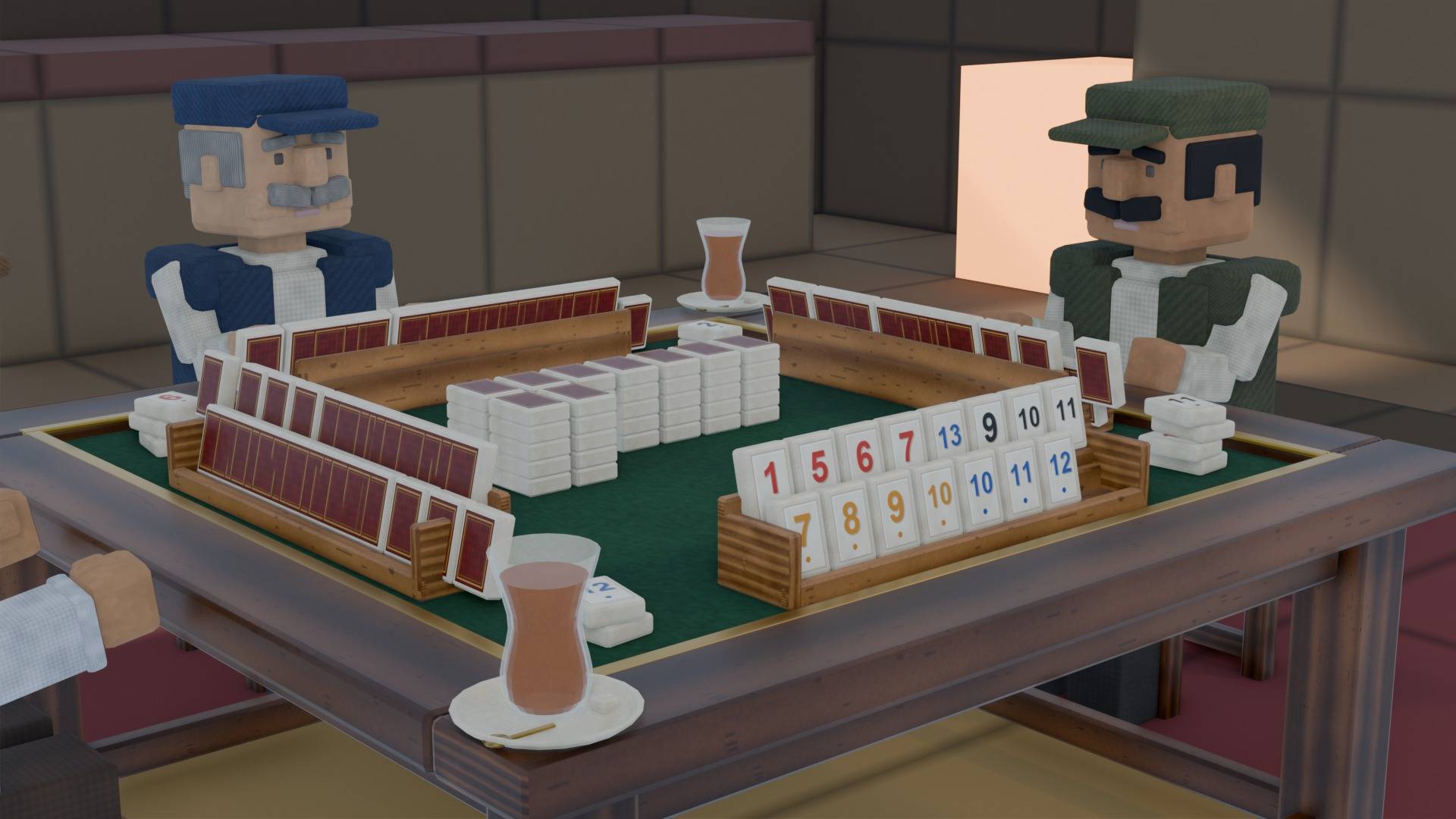 A round in progress - the gosterge face up beside the talon A round in progress - the gosterge face up beside the talon
 -
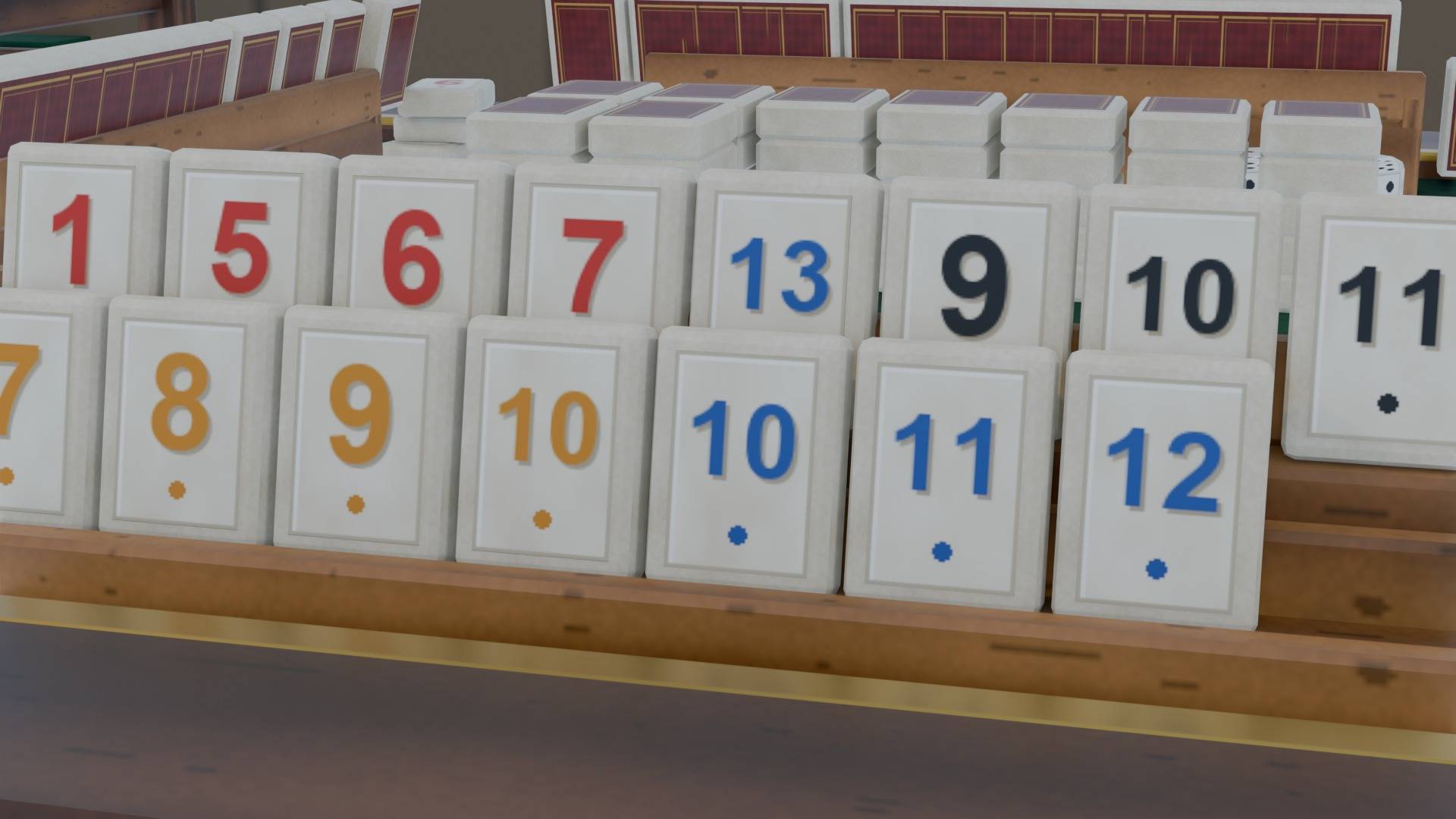 Sorting by hand: pick a tile up and put it where you want it Sorting by hand: pick a tile up and put it where you want it
 -
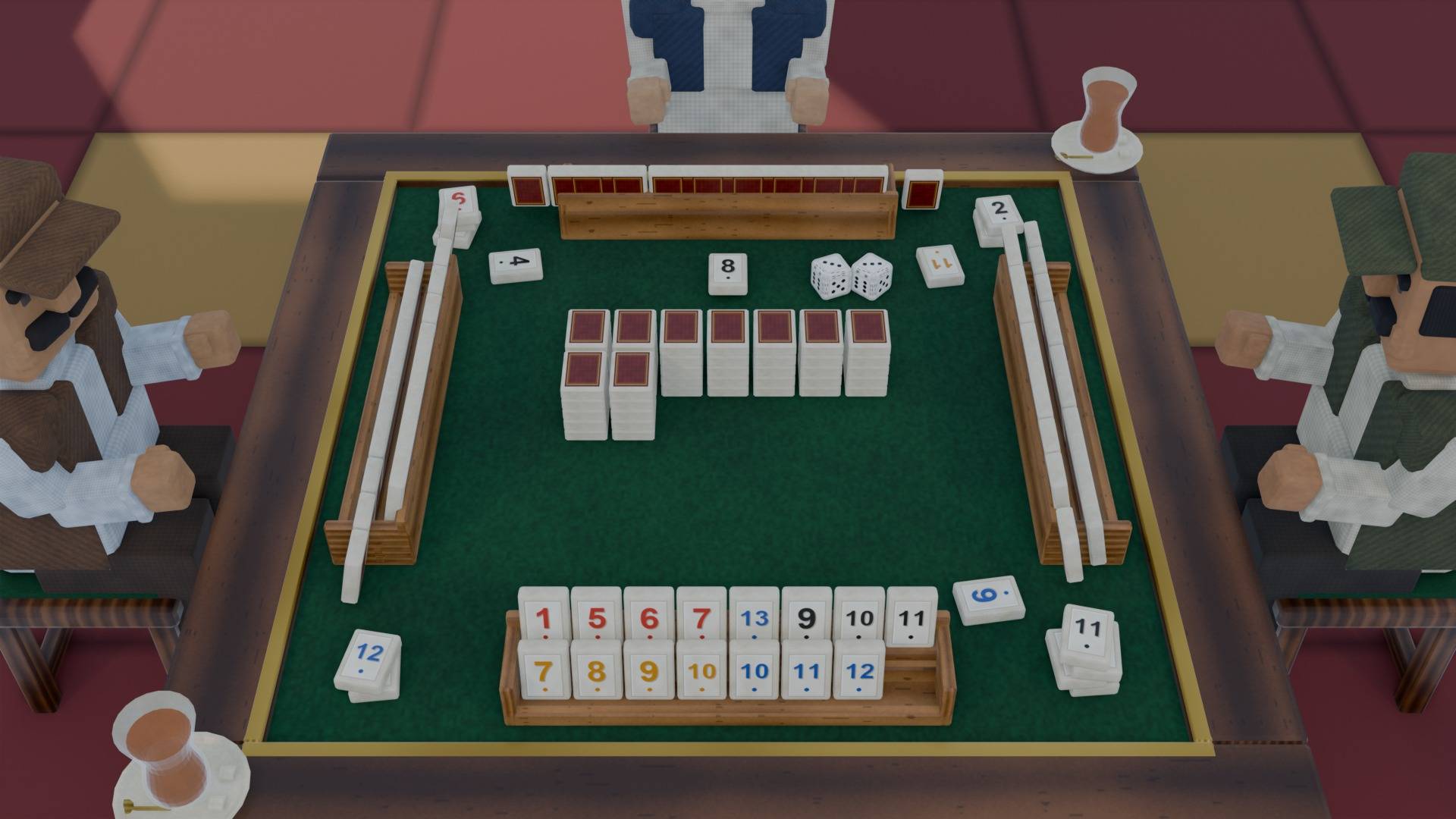 The table from above - 2x2 blocks, four seats, four istaka racks The table from above - 2x2 blocks, four seats, four istaka racks
 -
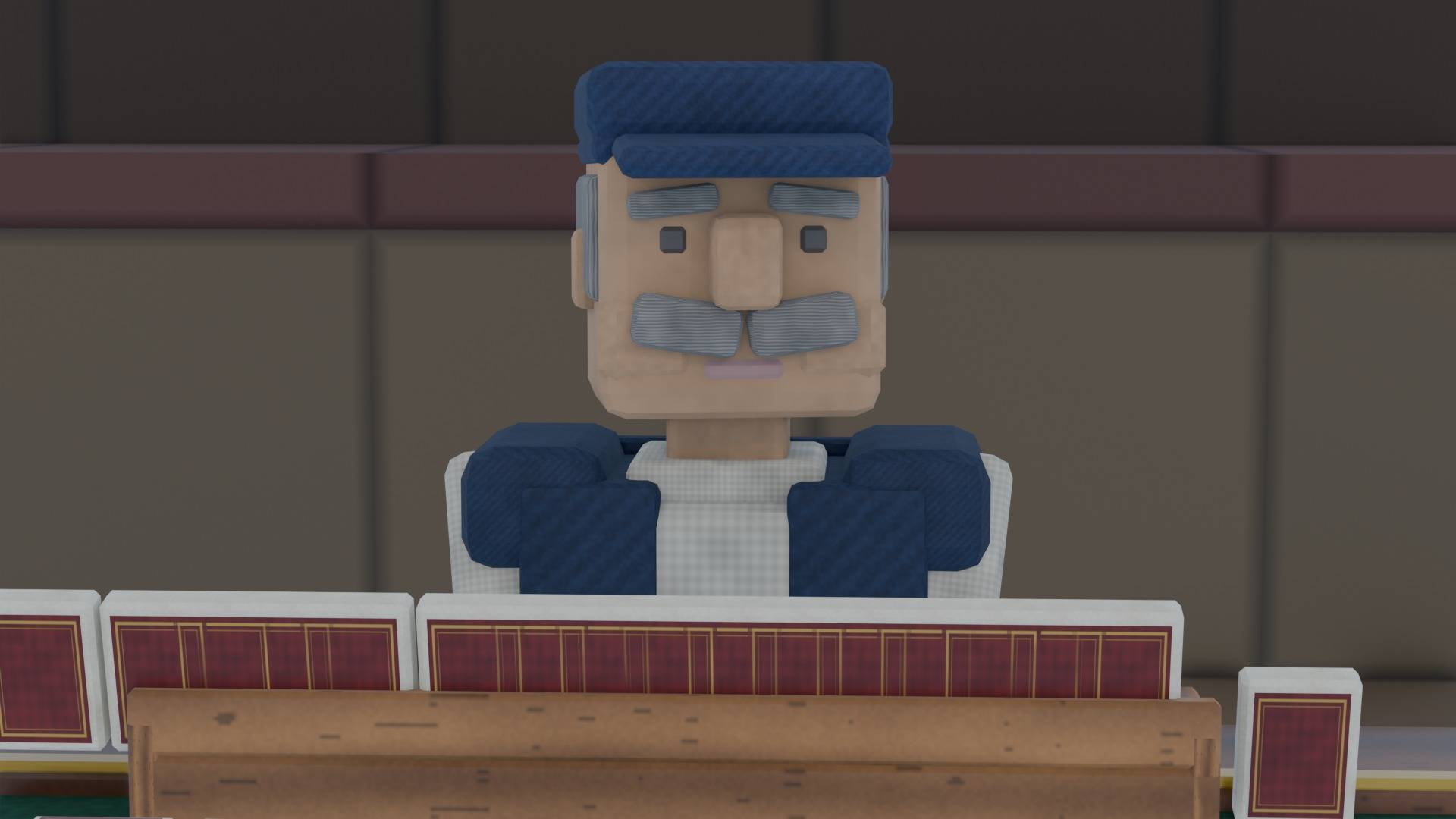 An Okey uncle across the table, watching you throw An Okey uncle across the table, watching you throw
 -
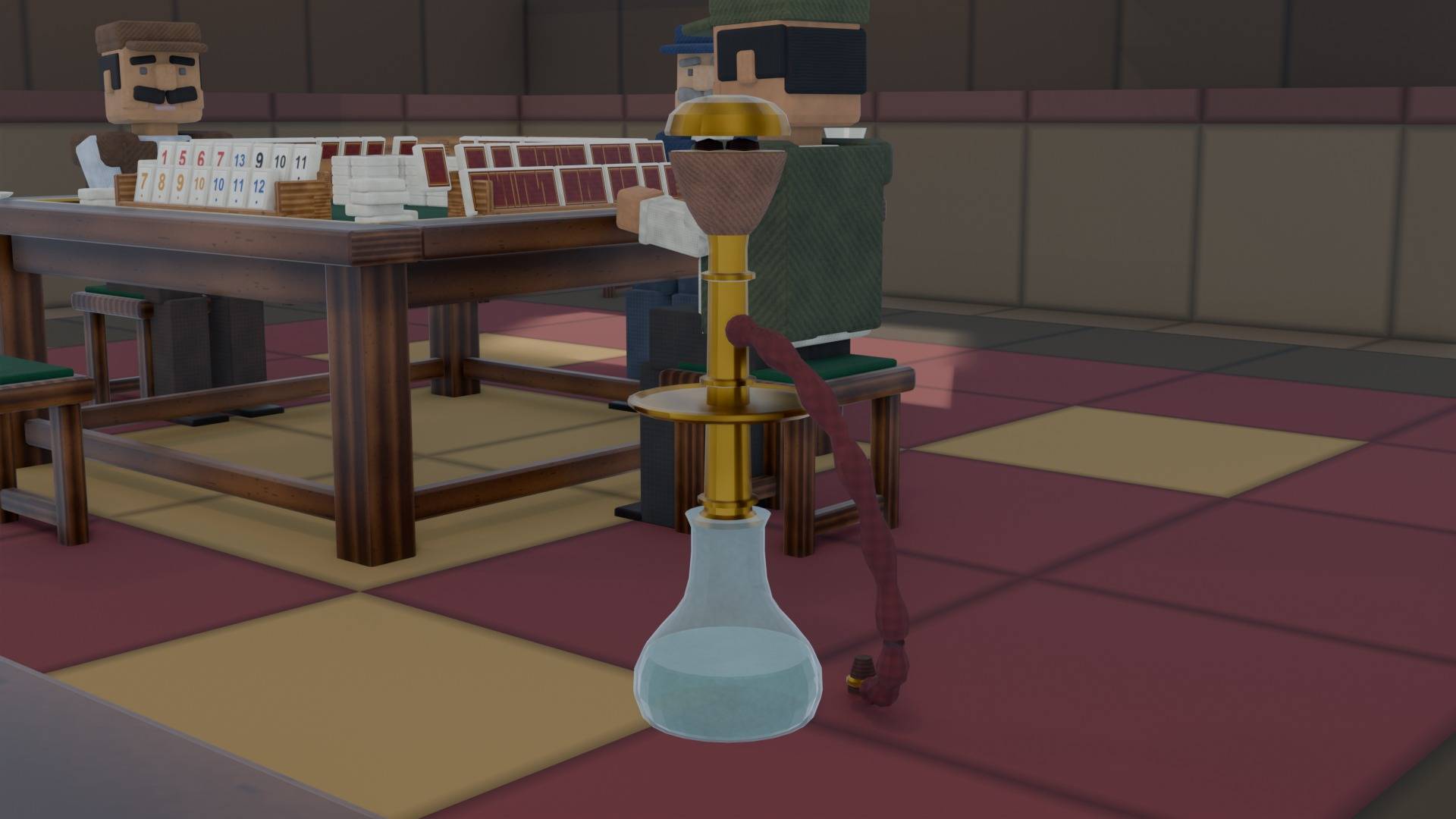 The nargile - place it, right-click, it bubbles and smokes The nargile - place it, right-click, it bubbles and smokes
 -
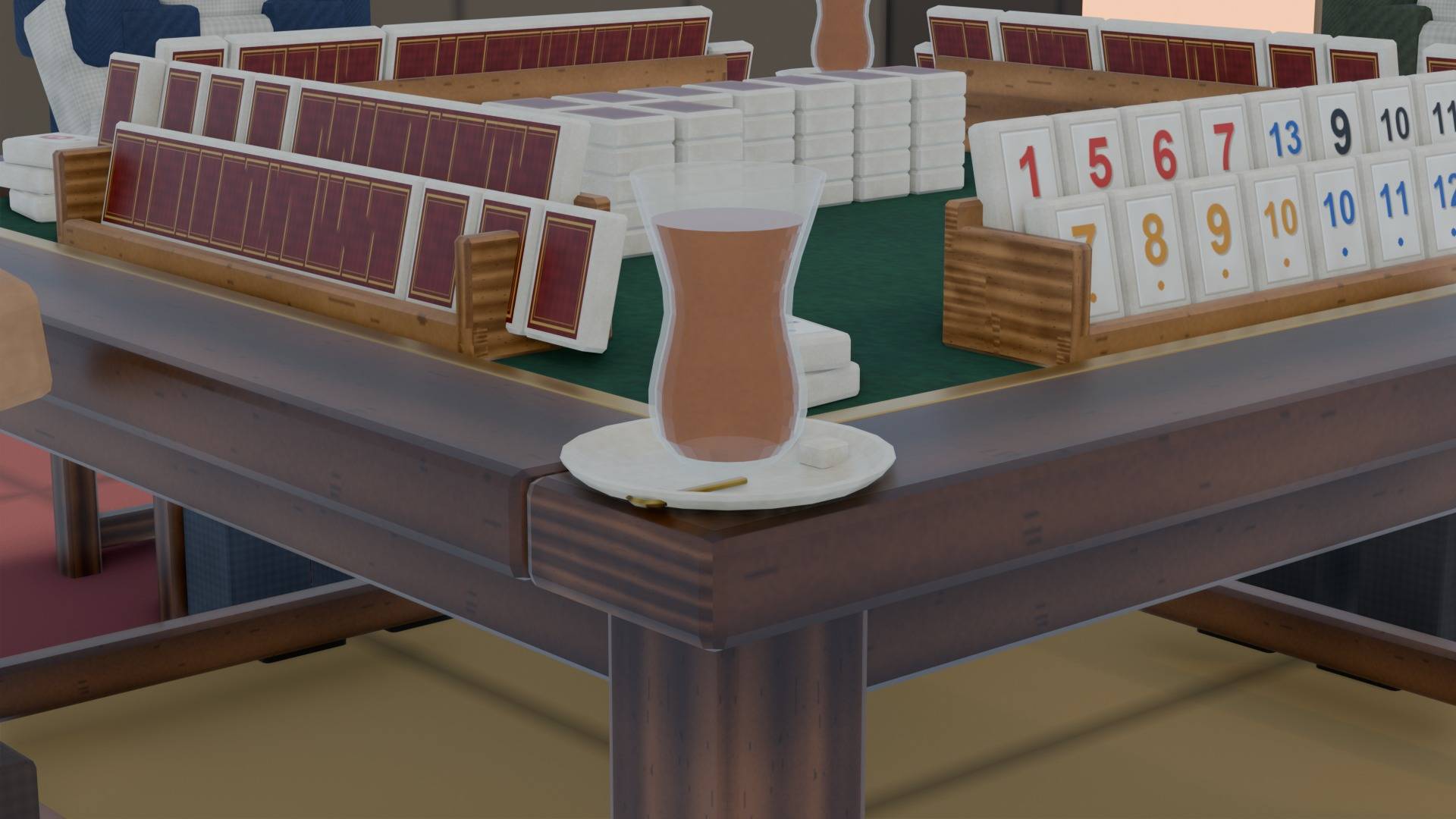 Cay in an ince belli bardak, with sugar and spoon Cay in an ince belli bardak, with sugar and spoon
 -
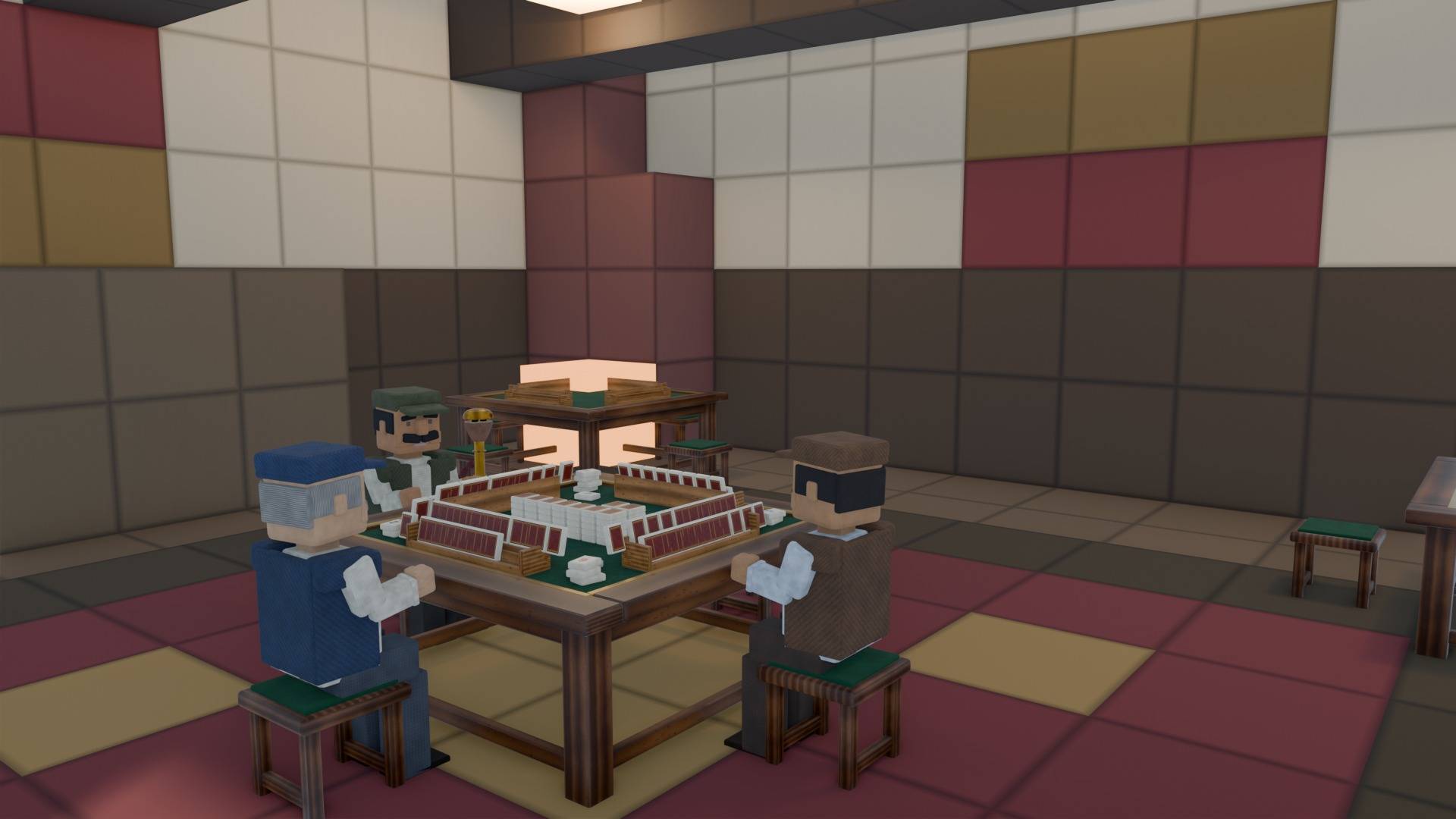 Okey where it belongs - a table in the corner of the coffee house Okey where it belongs - a table in the corner of the coffee house
 -
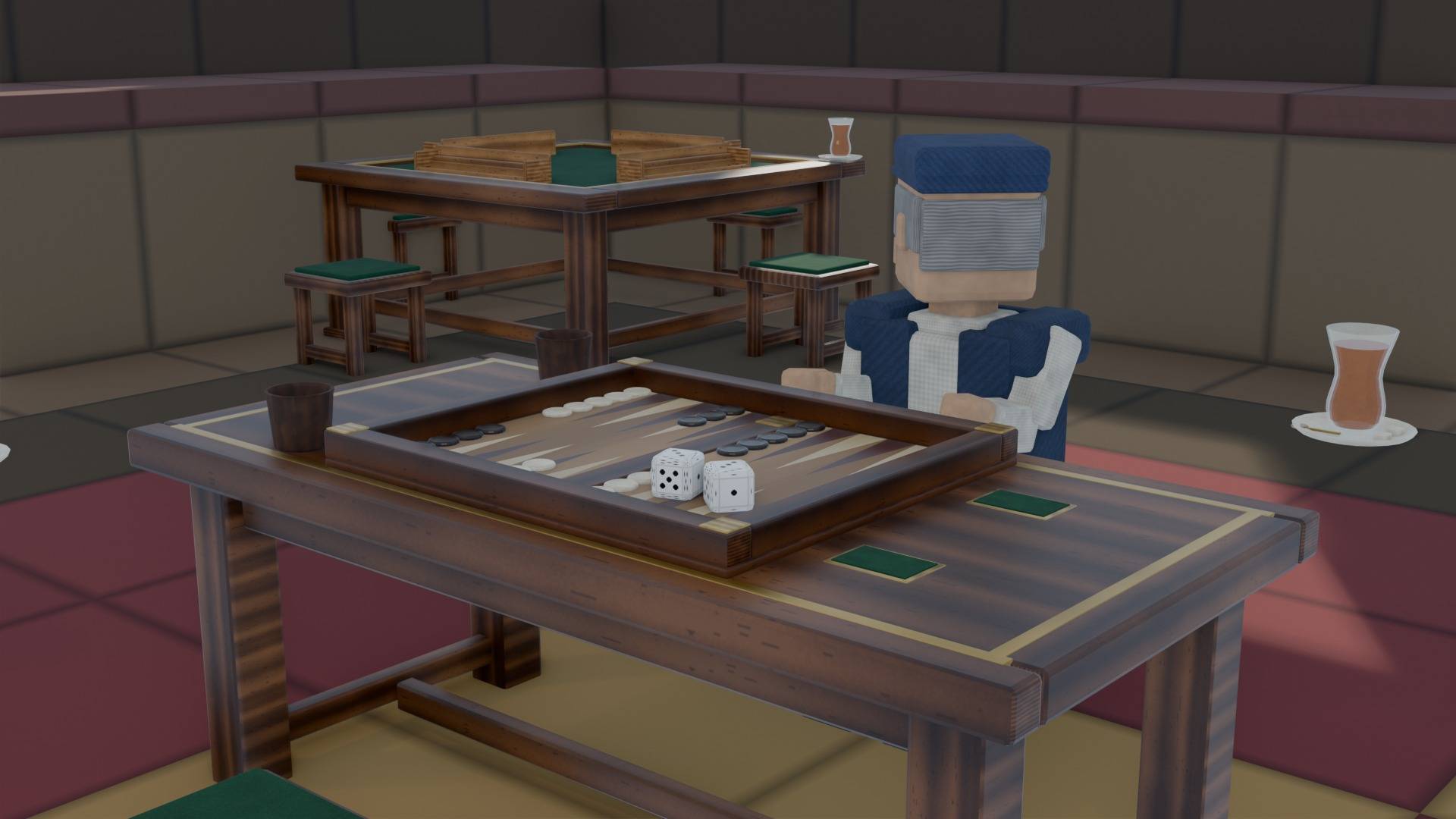 The Tavla table - Turkish backgammon with an uncle across from you The Tavla table - Turkish backgammon with an uncle across from you
 -
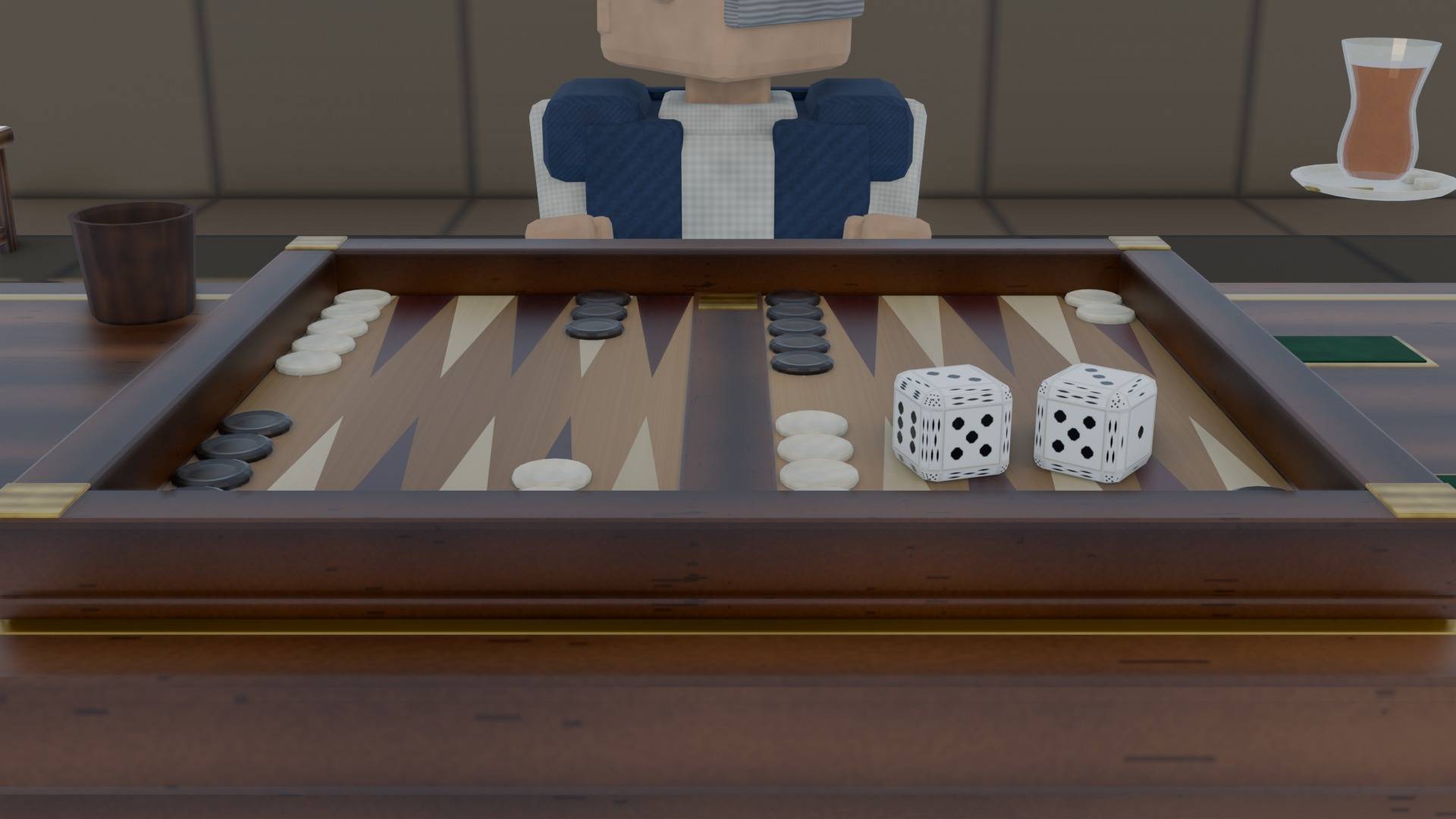 Your seat at the Tavla board: roll the dice, then move a checker Your seat at the Tavla board: roll the dice, then move a checker
 -
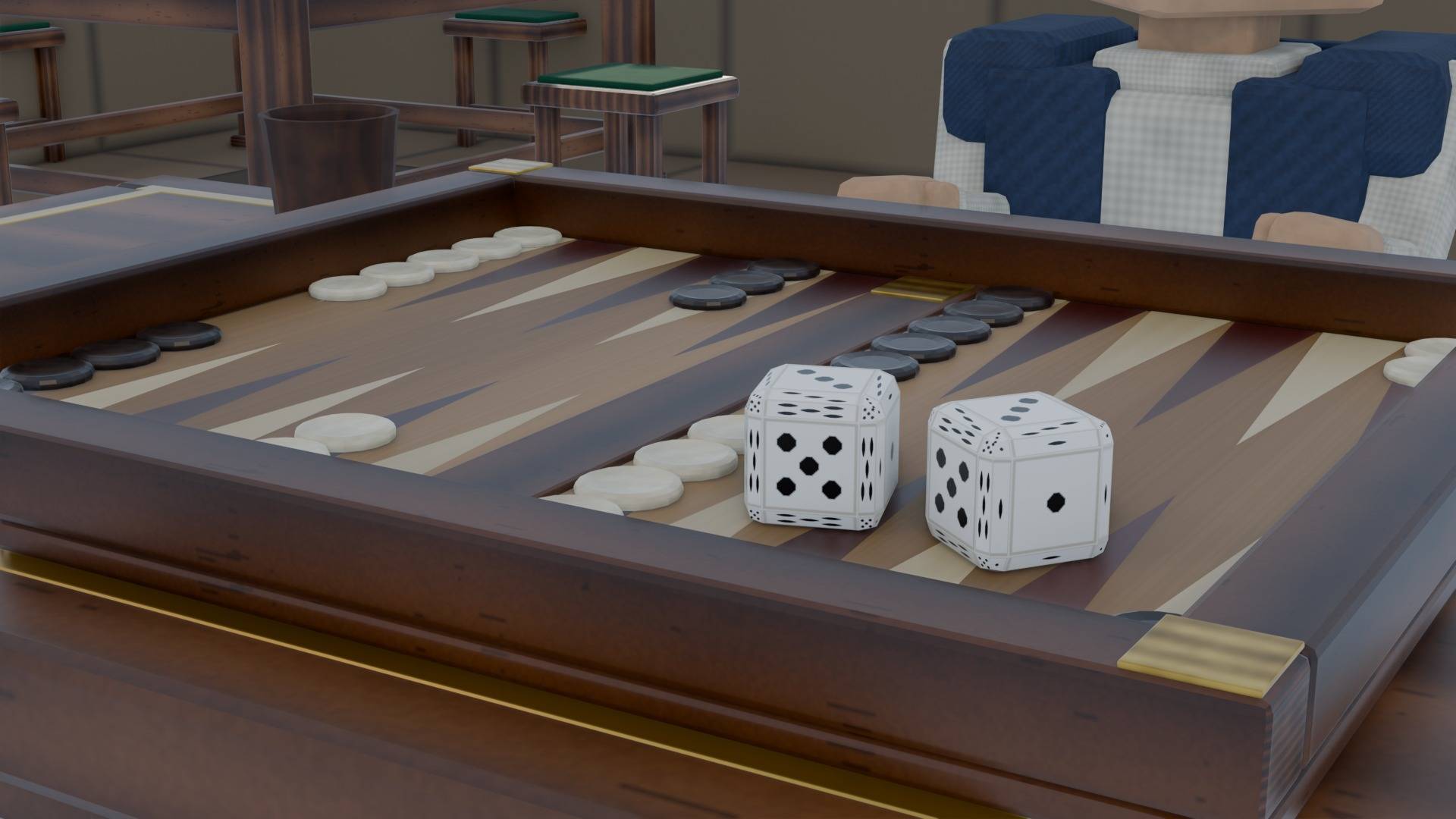 The board up close - 24 points, 30 checkers and two dice The board up close - 24 points, 30 checkers and two dice
 -
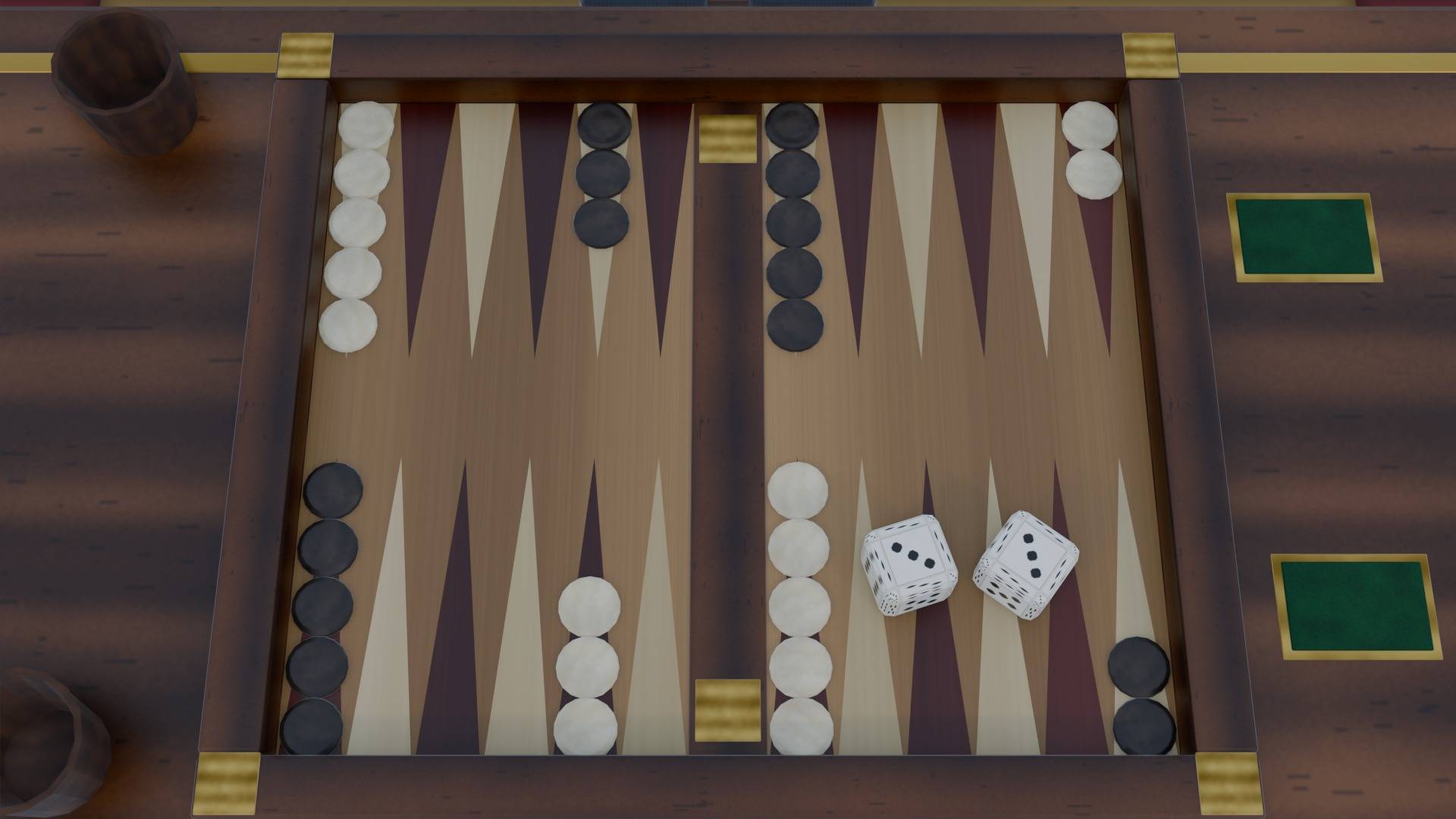 Tavla from above: the opening position, felt trays on the right Tavla from above: the opening position, felt trays on the right
 -
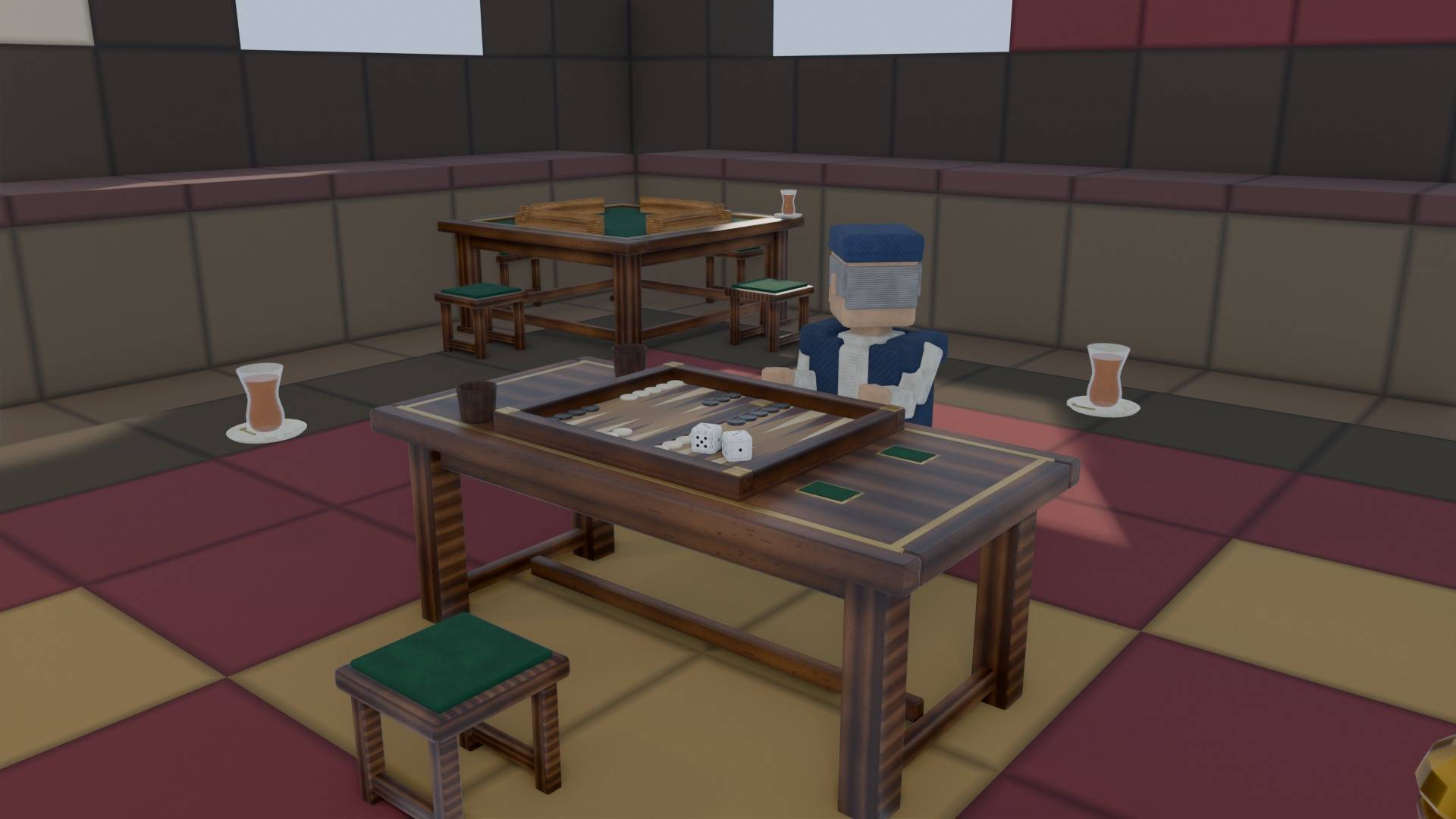 The Tavla table in the coffee house, beside the Okey tables The Tavla table in the coffee house, beside the Okey tables
Versions
Files
Relations
Project Relations
More like this
Similar Mods
Suggestions use data such as tags, dependencies, dependents, descriptions, titles, and more to rank how much they overlap with this mod.
On ModDex
Community snapshot
By the numbers
Statistics
Want to reach Minecraft players?
We're looking for a server hosting partner to feature here and other parts of the site. Interested? Send us a message!
Get in touchGet it on
Available Platforms
On ModDex
Community snapshot
By the numbers
Statistics
Resources