Community listing page, reviews here may not be monitored by the author.
LostCities Fabric


No reviews yet
Lost Cities Fabric Port This is an unofficial Fabric port of the legendary mod "The Lost Cities" originally created by McJty.
Community voices
Reviews
No reviews yet. Be the first to review this project!
Get it on
Available Platforms
Compatibility
Supported Environments
Required on the server. Installing it on the client adds functionality.
About
Project Details
For authors
Embed Badge
If you're the author of this project, you can embed a live badge anywhere that supports HTML or Markdown. It updates automatically whenever ratings change.
Use HTML for any page that supports it, or Markdown for README files and Markdown-based descriptions.
Identifiers
Platform IDs
Resources
External Links
About
Description
🏙️ Lost Cities — Fabric Port
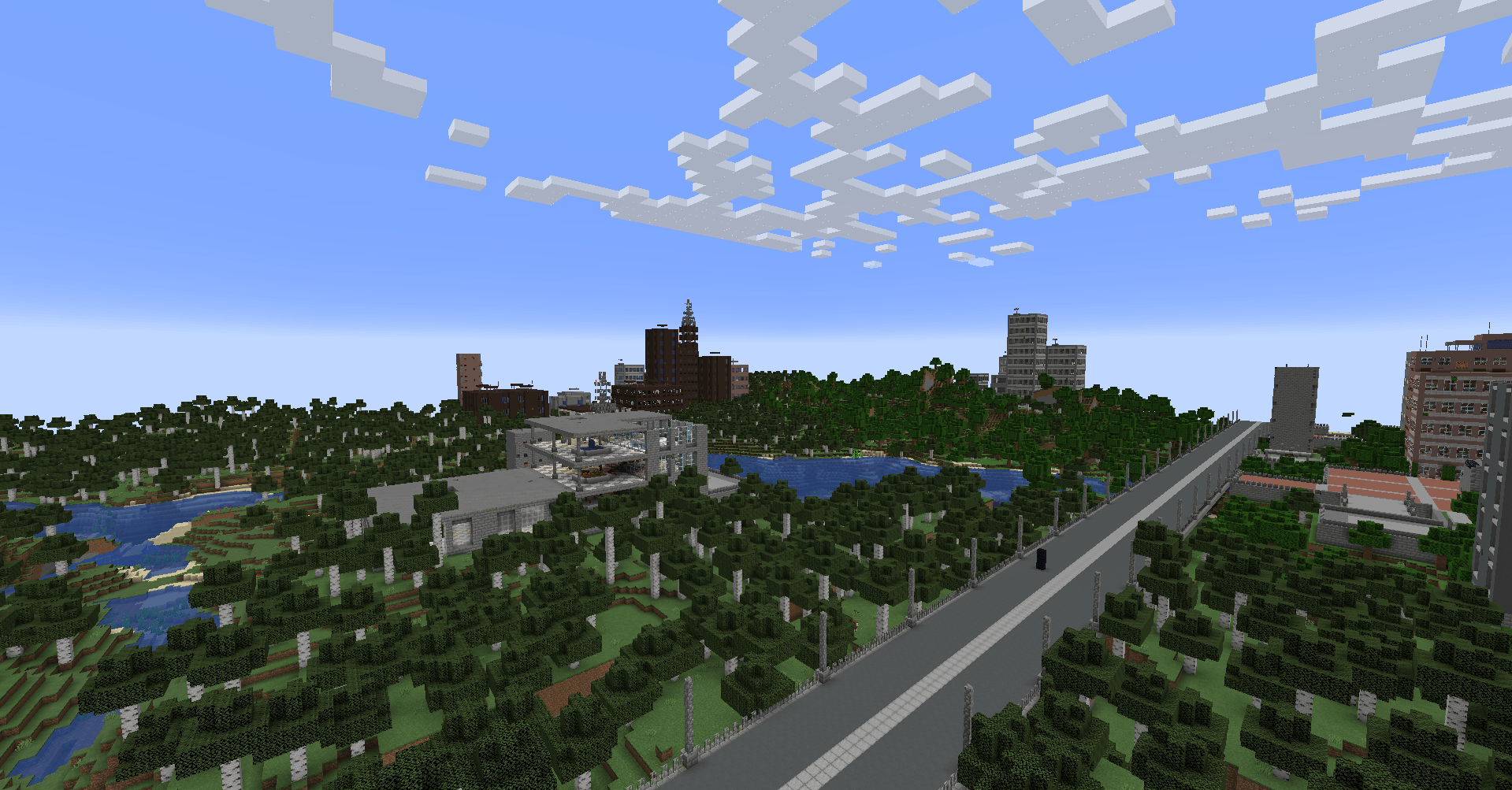
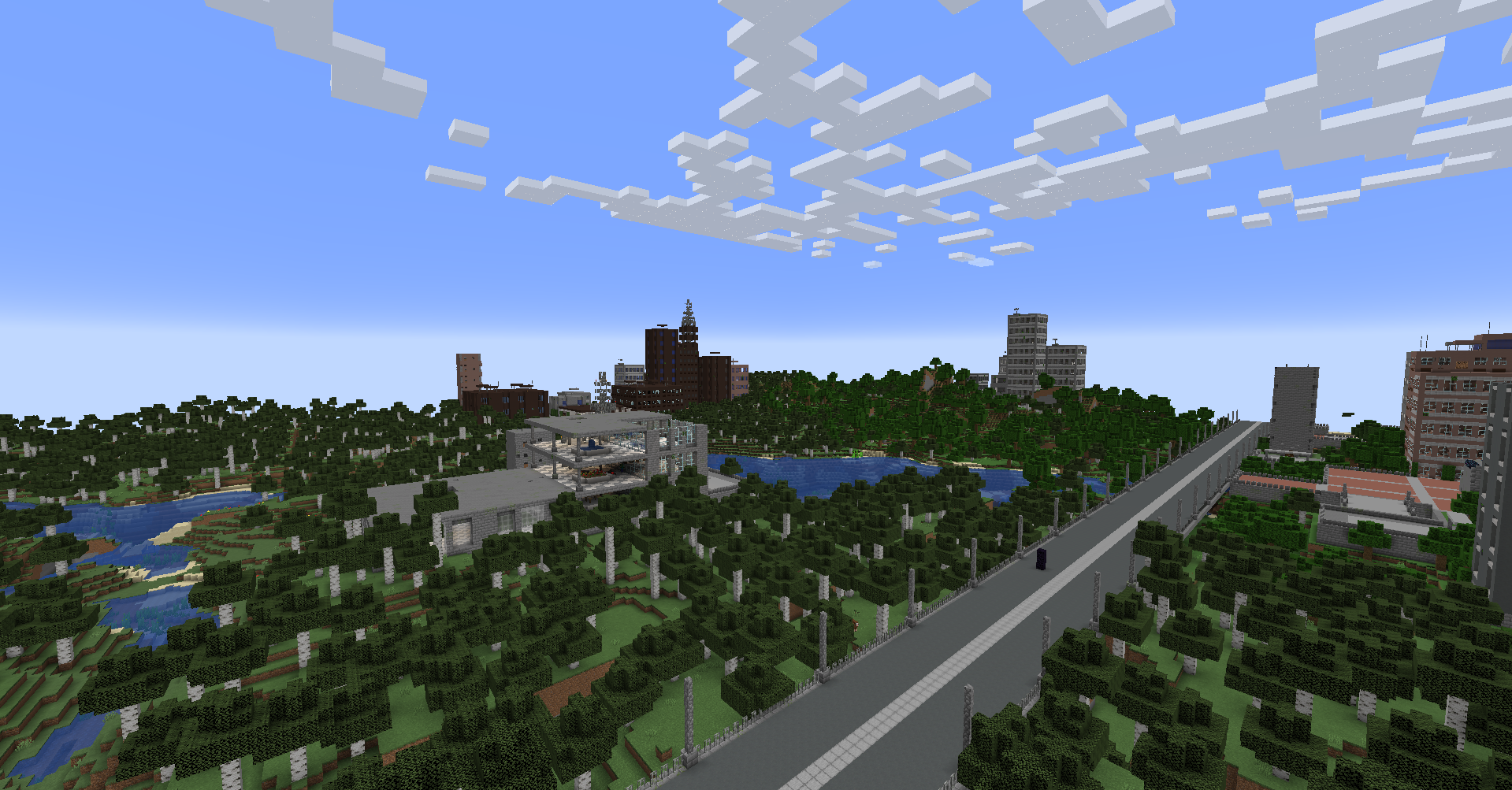
Turn the whole Overworld into an abandoned, overgrown city.
A Fabric port of Lost Cities by McJty, covering Minecraft 1.20 → 1.21.11.
This is a 1:1 port, not a reimplementation. The generator, the asset system, all 17 profiles, all 12 commands, the config keys and the public API are McJty's originals, unchanged. Only the loader-specific plumbing was replaced. Worlds generate the same content they do on NeoForge, and datapacks written for the original work here with no edits.
🌆 Features
- 17 generation profiles — ordinary cities, megacities, rare cities, cavern cities, floating islands, space bubbles, biospheres, drowned Atlantis, jungle-reclaimed ruins, wasteland, and more
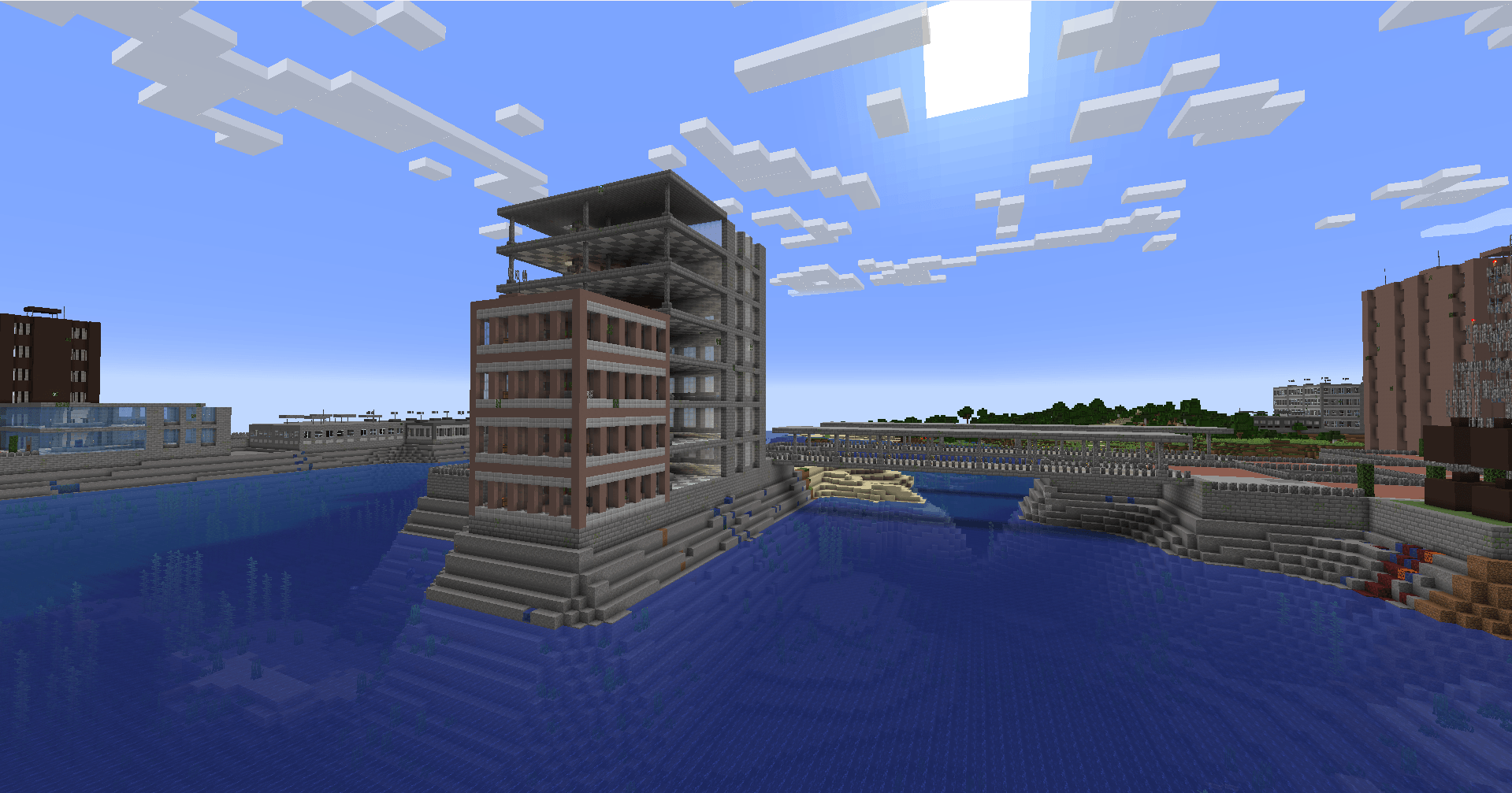
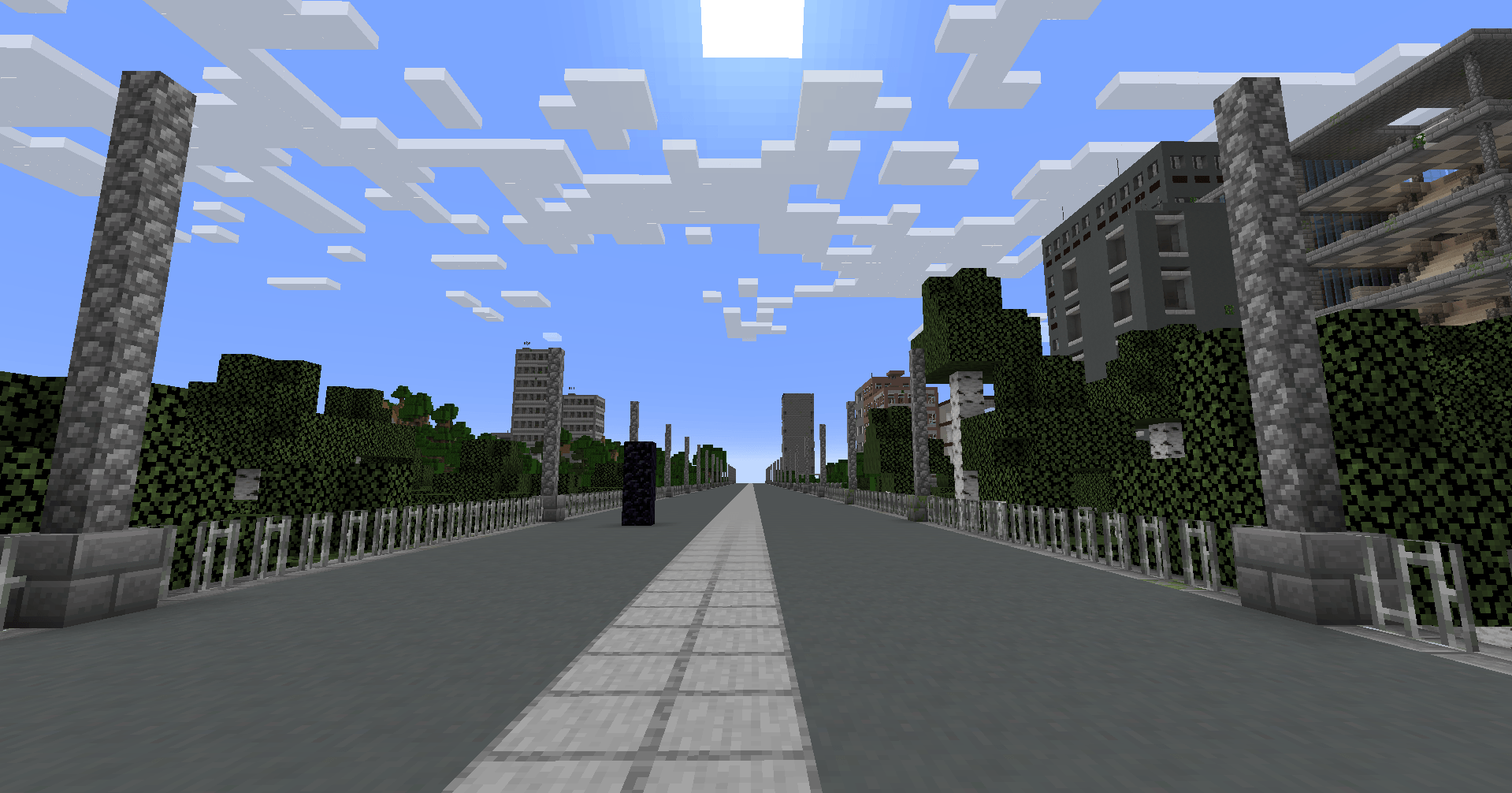
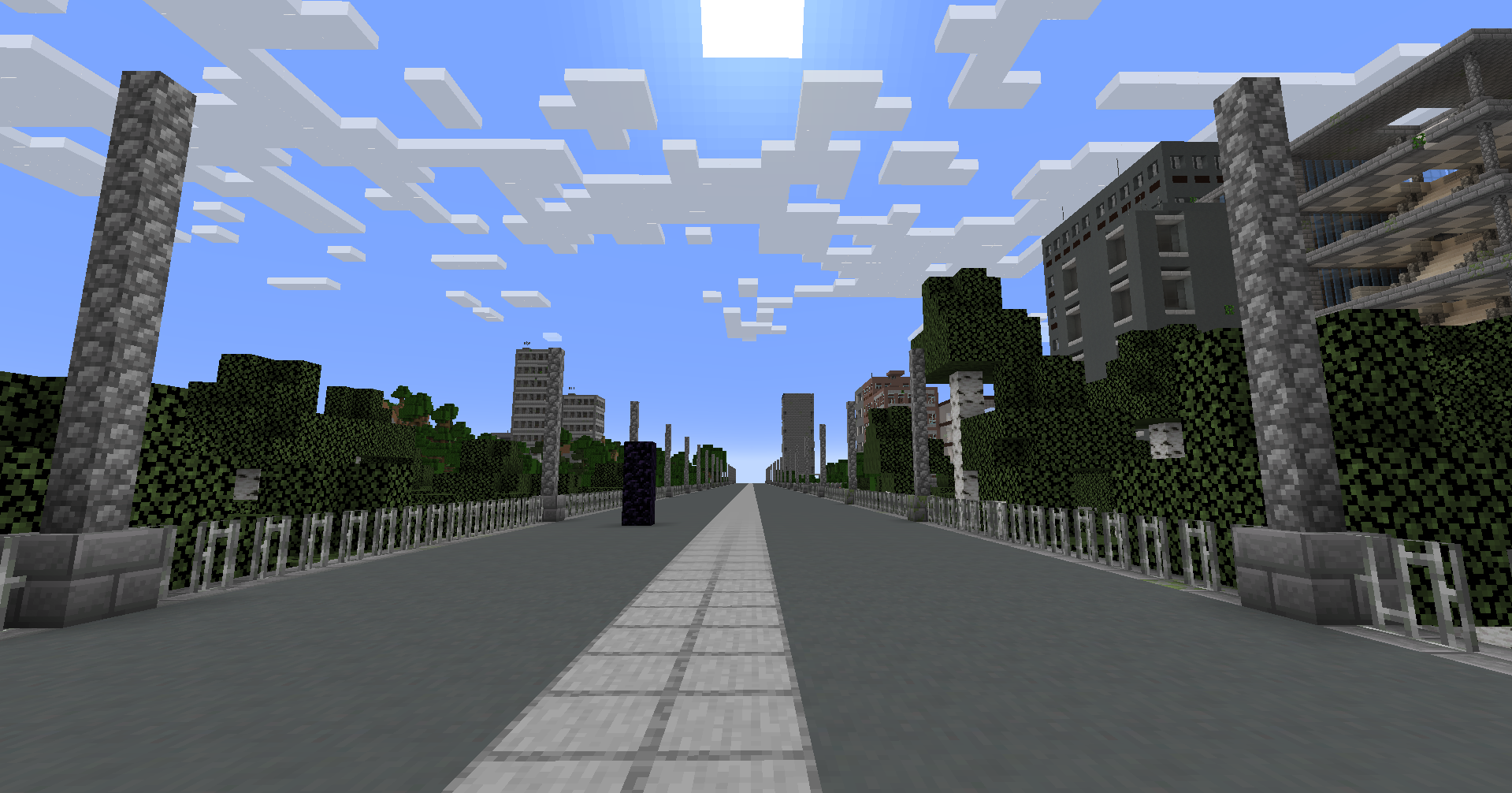
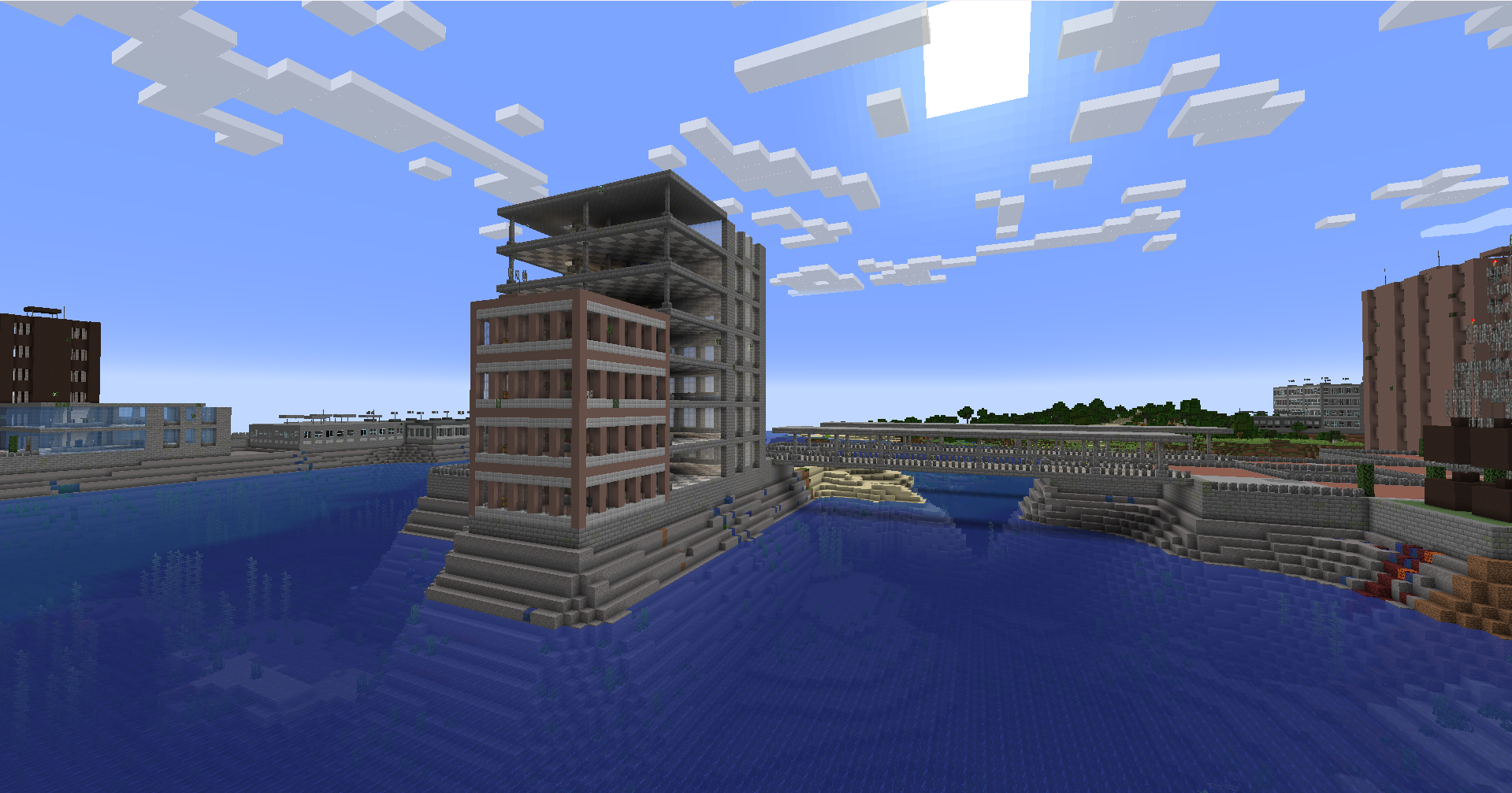
- Complete city generation — buildings, streets, highways, bridges, railways, monorails, corridors, spheres and scattered structures
- 12 commands for locating, mapping, and authoring your own city assets in-world
- Full datapack support — buildings, parts, palettes, city styles, conditions, variants, world styles, and 2×2 / 3×3 multibuildings
- In-game profile picker on the world creation screen
- Structure avoidance — keep cities off villages and other structures
- Server-friendly — no custom blocks or items, so vanilla clients can join a dedicated server running this mod (see notes)
📦 Requirements
Three dependencies, all required:
- Fabric Loader ≥ 0.15.0
- Fabric API
- Forge Config API Port ← easy to miss, and the mod will not load without it
The original's config code is used verbatim and is written against NeoForge's config API; Forge Config API Port is what provides that API on Fabric. Install the build matching your Minecraft version.
Java: 17 for Minecraft 1.20–1.20.4, 21 for 1.20.5 and newer.
⚡ Installation
- Install Fabric Loader for your Minecraft version
- Put Fabric API, Forge Config API Port and this mod's jar into
mods/ - Create New World → More tab → the Cities button
- Pick a profile — or Disabled for an ordinary world
On a dedicated server there is no creation screen, so pick the profile in
config/lostcities-server.toml:
[profiles]
    selectedProfile = "onlycities"
New to the mod? default is the intended experience. onlycities shows you what it can do
immediately — the entire map is city.
✅ How parity was checked
Not by eye. Worlds were generated from an identical seed and profile on each version, then the region files were read directly and every block tallied — comparing only chunks that finished generating in every world. Across six versions the city content came out identical: same number of chests, spawners, iron bars, glass and bookshelves, chunk for chunk. The small drift that remains is in vanilla terrain and ore placement, not in the cities.
Every version also gets a dedicated-server boot on a fresh world before release, because Fabric mixins are not validated by the compiler.
📋 Good to know
- Back up your worlds before adding any worldgen mod, this one included. Adding or removing it changes how new chunks generate.
- Lost Worlds is not ported to Fabric. The profiles designed to pair with it (
cavern,floating,space,biosphere_caves,atlantis) still work — they just generate onto ordinary terrain instead of a matching world type. optimizedHeightmapis off by default. Leave it off. It re-implements vanilla internals for speed and its output has not been verified against the normal path.- NeoForge's IMC API has no Fabric equivalent. Every interface in the Lost Cities API is
present, and mods can use
LostCities.lostCitiesImpdirectly, but a mod written against the NeoForge IMC handshake will not find it. This is the port's one API-surface difference. - A misspelled
selectedProfilewill fail world creation. That is inherited behaviour from the original, not something the port added. - Client-optional is by design but untested. The mod registers no blocks or items — only worldgen features and server-side registries — so a vanilla client should connect to a server running it. Install it client-side if you want the profile picker.
🔗 Links & support
- GitHub: Lost-Cities-port-Fabric
- Report bugs: GitHub Issues
- Original mod: McJty's Lost Cities
- Port by: sunshainy — MIT licence.
Please do not contact McJty about problems with this port. He is not involved in it and is not responsible for it. Report issues on this repository's tracker instead. All credit for the mod itself belongs to him; the port only moves his work to a different loader.
Enjoy exploring the ruins. 🏙️✨
🏙️ Lost Cities — Fabric Port
Turn the whole Overworld into an abandoned, overgrown city.
A Fabric port of Lost Cities by McJty, covering Minecraft 1.20 → 1.21.11.
This is a 1:1 port, not a reimplementation. The generator, the asset system, all 17 profiles, all 12 commands, the config keys and the public API are McJty's originals, unchanged. Only the loader-specific plumbing was replaced. Worlds generate the same content they do on NeoForge, and datapacks written for the original work here with no edits.
🌆 Features
- 17 generation profiles — ordinary cities, megacities, rare cities, cavern cities, floating islands, space bubbles, biospheres, drowned Atlantis, jungle-reclaimed ruins, wasteland, and more
- Complete city generation — buildings, streets, highways, bridges, railways, monorails, corridors, spheres and scattered structures
- 12 commands for locating, mapping, and authoring your own city assets in-world
- Full datapack support — buildings, parts, palettes, city styles, conditions, variants, world styles, and 2×2 / 3×3 multibuildings
- In-game profile picker on the world creation screen
- Structure avoidance — keep cities off villages and other structures
- Server-friendly — no custom blocks or items, so vanilla clients can join a dedicated server running this mod (see notes)
📦 Requirements
Three dependencies, all required:
- Fabric Loader ≥ 0.15.0
- Fabric API
- Forge Config API Port ← easy to miss, and the mod will not load without it
The original's config code is used verbatim and is written against NeoForge's config API; Forge Config API Port is what provides that API on Fabric. Install the build matching your Minecraft version.
Java: 17 for Minecraft 1.20–1.20.4, 21 for 1.20.5 and newer.
⚡ Installation
- Install Fabric Loader for your Minecraft version
- Put Fabric API, Forge Config API Port and this mod's jar into
mods/ - Create New World → More tab → the Cities button
- Pick a profile — or Disabled for an ordinary world
On a dedicated server there is no creation screen, so pick the profile in
config/lostcities-server.toml:
[profiles]
    selectedProfile = "onlycities"
New to the mod? default is the intended experience. onlycities shows you what it can do
immediately — the entire map is city.
✅ How parity was checked
Not by eye. Worlds were generated from an identical seed and profile on each version, then the region files were read directly and every block tallied — comparing only chunks that finished generating in every world. Across six versions the city content came out identical: same number of chests, spawners, iron bars, glass and bookshelves, chunk for chunk. The small drift that remains is in vanilla terrain and ore placement, not in the cities.
Every version also gets a dedicated-server boot on a fresh world before release, because Fabric mixins are not validated by the compiler.
📋 Good to know
- Back up your worlds before adding any worldgen mod, this one included. Adding or removing it changes how new chunks generate.
- Lost Worlds is not ported to Fabric. The profiles designed to pair with it (
cavern,floating,space,biosphere_caves,atlantis) still work — they just generate onto ordinary terrain instead of a matching world type. optimizedHeightmapis off by default. Leave it off. It re-implements vanilla internals for speed and its output has not been verified against the normal path.- NeoForge's IMC API has no Fabric equivalent. Every interface in the Lost Cities API is
present, and mods can use
LostCities.lostCitiesImpdirectly, but a mod written against the NeoForge IMC handshake will not find it. This is the port's one API-surface difference. - A misspelled
selectedProfilewill fail world creation. That is inherited behaviour from the original, not something the port added. - Client-optional is by design but untested. The mod registers no blocks or items — only worldgen features and server-side registries — so a vanilla client should connect to a server running it. Install it client-side if you want the profile picker.
🔗 Links & support
- GitHub: Lost-Cities-port-Fabric
- Report bugs: GitHub Issues
- Original mod: McJty's Lost Cities
- Port by: sunshainy — MIT licence.
Please do not contact McJty about problems with this port. He is not involved in it and is not responsible for it. Report issues on this repository's tracker instead. All credit for the mod itself belongs to him; the port only moves his work to a different loader.
Enjoy exploring the ruins. 🏙️✨
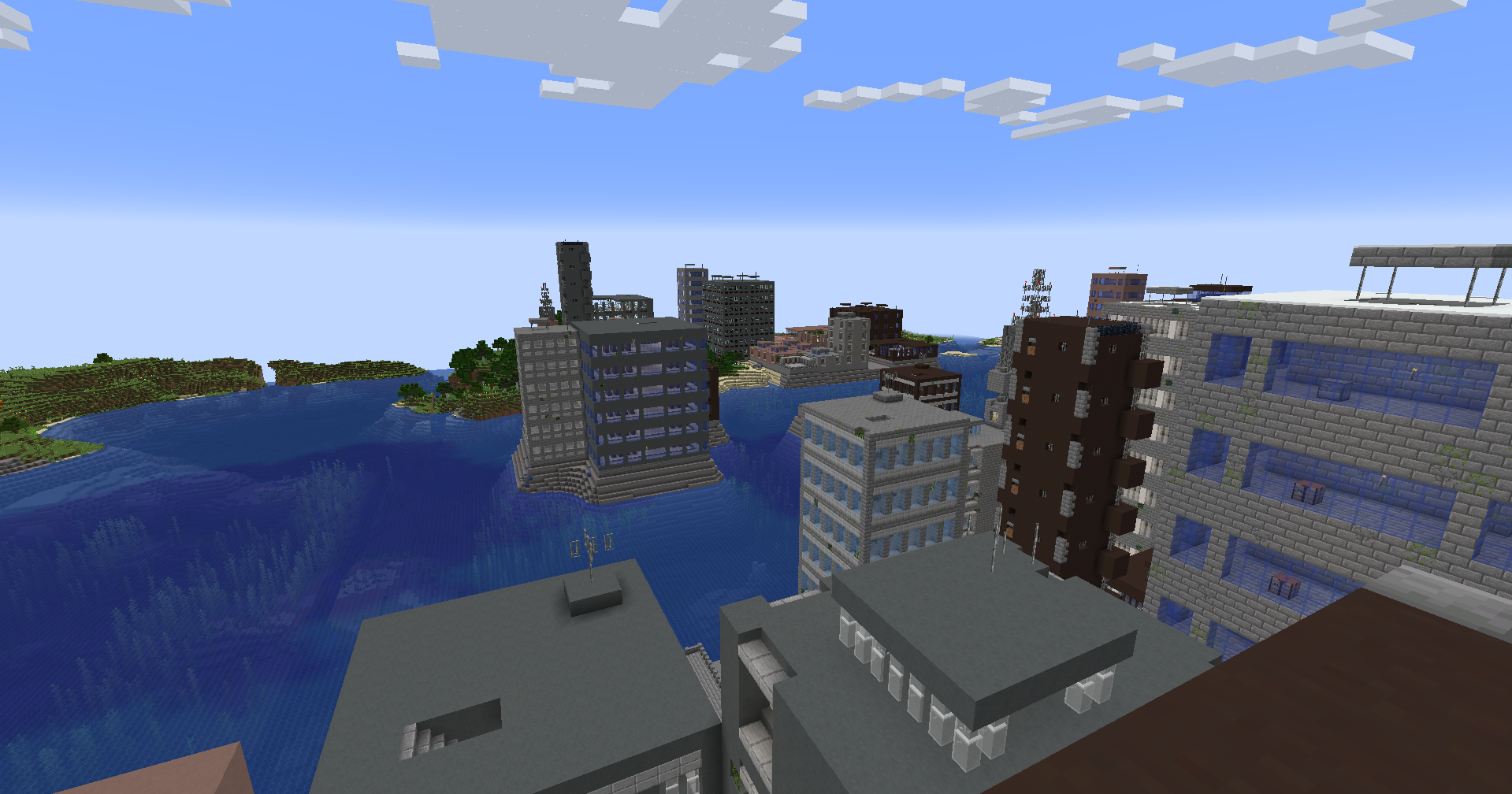
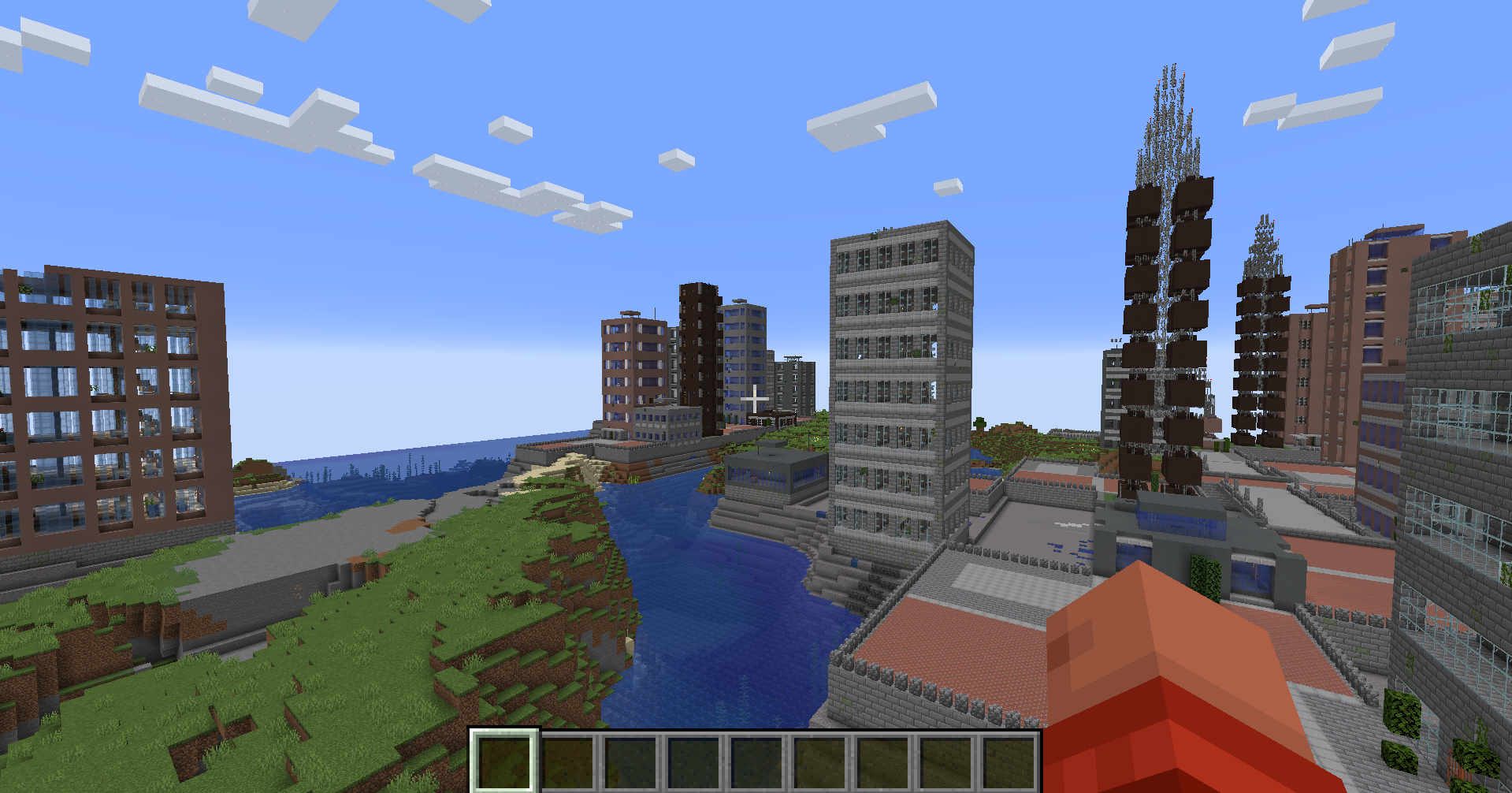
Screenshots
Gallery
-
 f5721c1fb600a516c7ff94a0dedadae43e01cecf.png f5721c1fb600a516c7ff94a0dedadae43e01cecf.png
 -
 8421905252a3f596f3e6b9b33b4555904f86eae8.png 8421905252a3f596f3e6b9b33b4555904f86eae8.png
 -
 7be2b53dc95de5f5d664d0152a36a95962742a10.png 7be2b53dc95de5f5d664d0152a36a95962742a10.png
 -
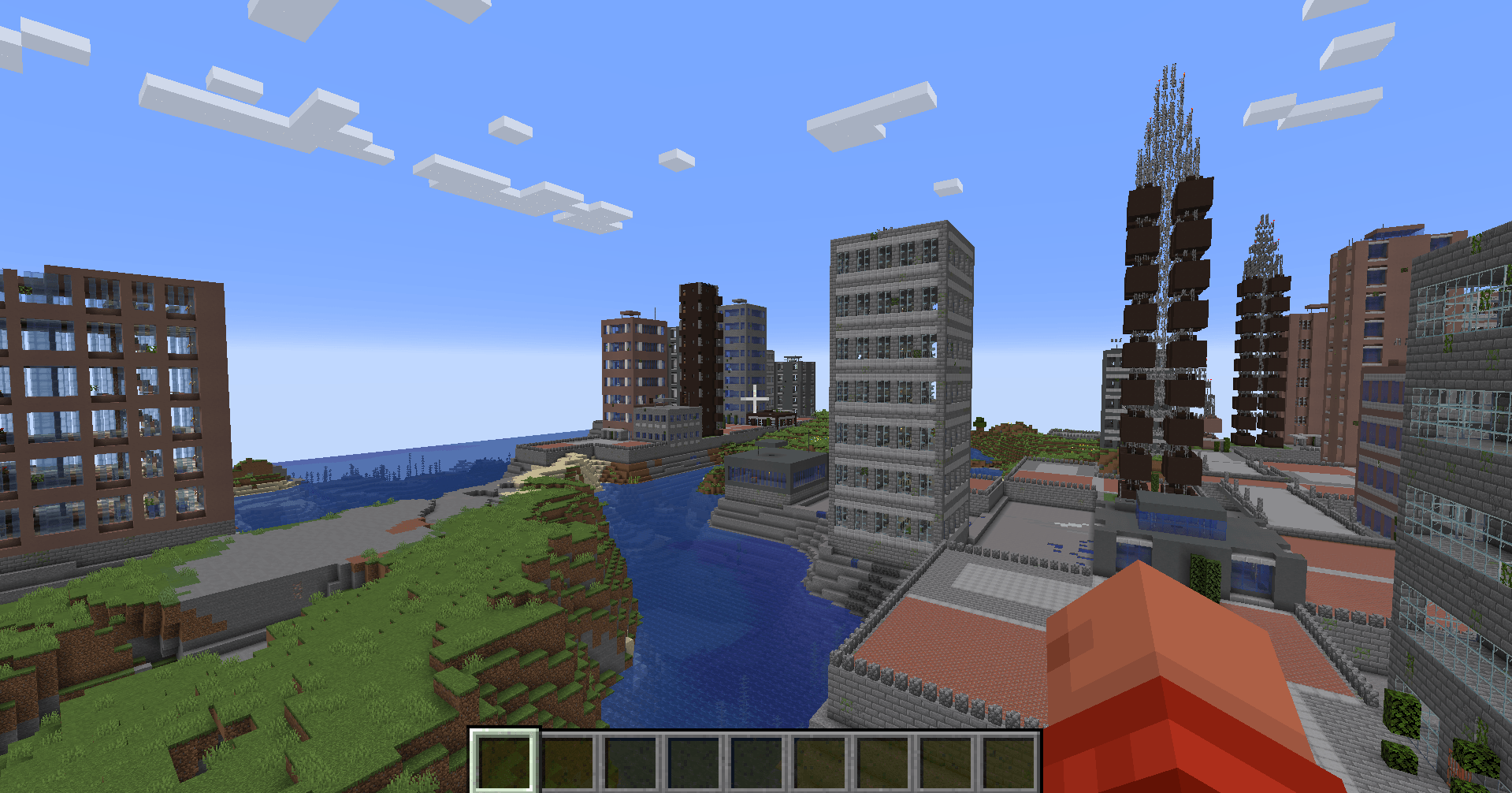 3848f91ad47d20829b7ebaf0ed55ba9d1fe4db36.png 3848f91ad47d20829b7ebaf0ed55ba9d1fe4db36.png
 -
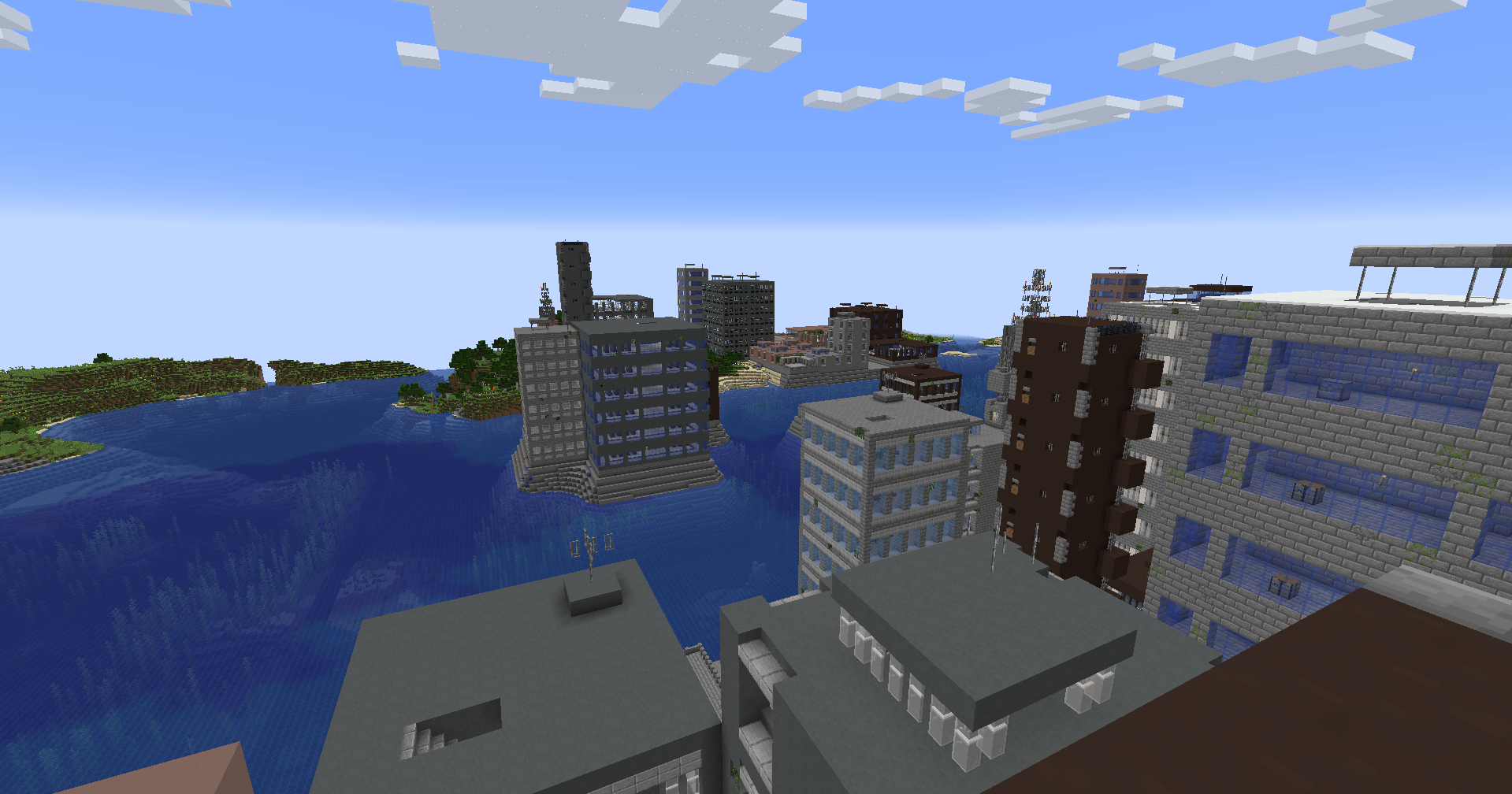 00cf15ce8995730a61795a43e9add51364657f1f.png 00cf15ce8995730a61795a43e9add51364657f1f.png
Versions
Files
Relations
Project Relations
More like this
Similar Mods
Suggestions use data such as tags, dependencies, dependents, descriptions, titles, and more to rank how much they overlap with this mod.
On ModDex
Community snapshot
By the numbers
Statistics
Want to reach Minecraft players?
We're looking for a server hosting partner to feature here and other parts of the site. Interested? Send us a message!
Get in touchGet it on
Available Platforms
On ModDex
Community snapshot
By the numbers
Statistics
Resources