Community listing page, reviews here may not be monitored by the author.
Vintner


No reviews yet
Build vineyards, craft distinct vintages, and develop a working cellar through cultivation, fermentation, ageing, and wine quality.
Community voices
Reviews
No reviews yet. Be the first to review this project!
Get it on
Available Platforms
Compatibility
Supported Environments
Must be installed on both the client and the server.
About
Project Details
For authors
Embed Badge
If you're the author of this project, you can embed a live badge anywhere that supports HTML or Markdown. It updates automatically whenever ratings change.
Use HTML for any page that supports it, or Markdown for README files and Markdown-based descriptions.
Identifiers
Platform IDs
About
Description
Vintner
Vintner is a vineyard, winemaking, and cellar-management mod for Minecraft.
Build connected vineyard rows, cultivate red and white grapevines, press grapes into must, ferment and age wine, design working cellars, and build a collection of distinct vintages whose quality reflects how they were grown, produced, and stored.
Vineyard Cultivation
- Red and white grape cultivars
- Two-block grapevines with harvesting and regrowth
- Renewable cuttings through pruning
- Connected trellises with corners, junctions, isolated placement, and end braces
- Vertical and uneven-terrain vineyard construction
- Multiple vanilla wood-family variants
- Prepared vineyard soil
- Vineyard-condition inspection
- Growing conditions that influence grape and wine quality
- Starter cuttings from farmers, wandering traders, and village loot
Winemaking
Vintner provides a physical production chain rather than a menu-driven crafting system.
- Grow and harvest grapes
- Press four matching grapes into must
- Ferment a complete batch
- Transfer the finished wine into an ageing vessel
- Develop the wine in a cellar
- Store, catalogue, inspect, or eventually consume the finished vintage
Winemaking machinery includes visible progress, comparator support, persistent batches, and safe metadata preservation.
Wine Quality
Every wine develops a persistent quality score from 0–100.
Quality tiers are:
- Rough
- Table
- Good
- Fine
- Exceptional
- Legendary
Quality is influenced by the full production chain, including vineyard conditions, pressing, fermentation, ageing, and cellar storage.
Higher-quality wines provide stronger and longer-lasting benefits, better pairing potential, greater estimated value and prestige, fewer faults, and improved ageing potential.
Poor storage can eventually damage or spoil a wine.
Vintages and Provenance
Wine retains its identity throughout production.
A bottle can record information including:
- Grape variety
- Vintage and batch
- Winery origin
- Producer
- Estate
- Bottling day
- Ageing vessel
- Bottle number
- Wine style
- Quality
- Cellar history
- Estimated trade value
- Cellar prestige
Vintner's Almanac
The Almanac provides detailed information without overloading ordinary item tooltips.
Use it to inspect:
- Vintage and provenance
- Quality breakdown
- Tasting profile
- Body and finish
- Wine style
- Estate identity
- Age and cellar history
- Ageing vessel
- Estimated value
- Cellar prestige
- Whether a bottle should be held, enjoyed now, or is past its peak
It can also inspect cellar storage and ageing vessels directly in the world.
Cellars
Wine storage responds to its surroundings.
Cellar evaluation includes:
- Shelter
- Depth
- Darkness
- Humidity
- Nearby heat
- Temperature stability
- Machinery disturbance
Good cellar conditions can help a vintage develop, while poor conditions can progressively damage it.
Ageing Strategies
Different ageing vessels offer different approaches rather than simple power upgrades.
- Standard barrels — balanced ageing
- Toasted barrels — faster, bolder development with a red-wine preference
- Seasoned barrels — slower, gentler ageing focused on preserving fruit character
- Cellar casks — eight-bottle bulk maturation
Specialist treatments can be applied to ordinary barrels using the cooperage system while preserving the barrel's wood-family appearance.
Physical Cellar Storage
Vintner includes multiple inventory-free storage options:
- Wine Racks
- Wine Crates
- Barrel Stands
- Labelled Cellar Shelves
- Tasting Cabinets
- Vintage Archives
Stored wine continues ageing and retains its full metadata through save/load and chunk unloading.
Getting Started
- Acquire a red or white grape cutting
- Build connected trellis rows
- Plant the cutting
- Prepare the soil with compost
- Grow and harvest the vine
- Press grapes into must
- Ferment a complete batch
- Age the wine
- Build a cellar
- Begin developing and cataloguing vintages
The Vintner advancement tree guides the main progression.
Requirements
- Minecraft 26.2
- Fabric Loader 0.19.3 or newer
- Fabric API
- Java 25
- Client and server
Roadmap
Planned development includes:
- Placeable wine bottles
- Wine glasses and partial servings
- Expanded food pairings and cooking
- Deeper vineyard maintenance
- Additional grape varieties
- Terroir and seasonal systems
- Estate progression and reputation
- Wine trade and settlement demand
- World-generated vineyards and rare discoveries
- Optional integration with farming, cooking, seasons, transport, and settlement mods
- Rosé, sparkling, dessert, fortified, and other wine styles
- Blending and expert winemaking
- Larger estate logistics and automation
Features may change as development and testing continue.
Links
- Website: https://vintnermod.com
- Modrinth: https://modrinth.com/mod/vintner
- Source: https://github.com/zenithgb/vintner
- Issues: https://github.com/zenithgb/vintner/issues
Vintner is developed as a ZenithGB project.
Vintner is an independent fan-made Minecraft mod and is not affiliated with or endorsed by Mojang Studios or Microsoft.
Vintner
Vintner is a vineyard, winemaking, and cellar-management mod for Minecraft.
Build connected vineyard rows, cultivate red and white grapevines, press grapes into must, ferment and age wine, develop specialist cellars, and build a collection of distinct vintages whose quality reflects how they were grown, produced, and stored.
Features
Vineyard cultivation
- Red and white grape cultivars
- Two-block-high grapevines with harvesting and regrowth
- Renewable grape cuttings through pruning
- Connected trellises with corners, junctions, isolated placement, and automatic end braces
- Vertical and uneven-terrain vineyard construction
- Trellis variants across supported vanilla wood families
- Prepared vineyard soil
- Vineyard-condition inspection
- Grape vintage and quality influenced by growing conditions
- Farmer, wandering-trader, and village-loot access to starter cuttings
Winemaking
- Manual grape pressing
- Persistent grape and wine batches
- Red and white grape must
- Fermentation barrels with visible progress
- Ageing barrels with persistent batch data
- Quality-sensitive red and white wines
- Comparator support for winemaking machinery
- Safe content preservation through save/reload and normal block interactions
Wine quality is built across the entire production chain rather than being decided at a single step.
Wine Quality
Every wine receives a persistent quality score from 0–100.
Quality is divided into six tiers:
- Rough
- Table
- Good
- Fine
- Exceptional
- Legendary
Quality can be influenced by:
- Vineyard conditions
- Pressing
- Fermentation
- Ageing vessel
- Cellar conditions
- Bottle storage
Higher-quality wines provide stronger and longer-lasting benefits, stronger food-pairing potential, greater estimated value and prestige, fewer faults, and improved ageing potential.
Poor storage can gradually damage a wine and eventually spoil it.
Vintages and Provenance
Wine retains its identity from grape pressing through fermentation, ageing, bottling, and cellar storage.
Bottles can record:
- Grape variety
- Batch identity
- Vintage
- Winery origin
- Producer
- Estate
- Bottling day
- Ageing vessel
- Bottle number
- Wine style
- Quality
- Storage history
- Estimated trade value
- Cellar prestige
This means two bottles of the same basic wine can develop into meaningfully different vintages.
The Vintner's Almanac
Craft a Vintner's Almanac to inspect detailed wine information without filling ordinary item tooltips with excessive data.
The Almanac can report:
- Vintage and batch
- Provenance
- Quality breakdown
- Tasting profile
- Body and finish
- Wine style
- Estate identity
- Bottle age
- Cellar history
- Ageing vessel
- Estimated trade value
- Cellar prestige
- Whether a bottle should be held, enjoyed now, or is past its peak
The Almanac can also inspect cellar storage and ageing vessels directly in the world.
Cellars
Where wine is stored matters.
Cellars evaluate environmental conditions including:
- Shelter
- Underground depth
- Darkness
- Humidity
- Nearby heat
- Temperature stability
- Machinery disturbance
Well-designed cellars can help wine develop. Poor cellars can progressively damage it.
Ageing Vessels
Vintner includes multiple ageing strategies rather than a simple linear upgrade path.
Standard barrels
Balanced general-purpose ageing.
Toasted barrels
Faster, bolder ageing that particularly suits powerful red wines, with increased risk.
Seasoned barrels
Slower and gentler ageing intended to preserve primary fruit character.
Cellar casks
Large eight-bottle vessels designed for slower bulk maturation.
Specialist vessel treatments can be applied through the cooperage system while retaining the visual wood family of the original barrel.
Cellar Storage
Build physical, inventory-free wine storage throughout your cellar.
Wine Racks
Store four visible bottles while allowing them to continue ageing.
Wine Crates
Store up to sixteen mixed bottles in compact cellar storage.
Labelled Cellar Shelves
Store up to eight bottles from a single batch, making complete vintages easier to organise.
Tasting Cabinets
Store up to eight mixed bottles for side-by-side collections and comparison.
Barrel Stands
Provide low-profile staging for working cellar spaces.
Stored bottles retain their full metadata through retrieval, chunk unloading, and save/reload.
Vintage Archives
Vintage Archives provide a physical record of a wine collection.
Catalogue up to sixteen unique batches without consuming the bottles.
Rescanning an existing batch updates its record instead of taking another slot.
The Almanac can then be used to inspect and cycle through the Archive's collection.
Getting Started
- Acquire a red or white grape cutting.
- Build connected trellis rows.
- Plant the cutting on a lower trellis.
- Prepare the ground with compost.
- Allow the vine to grow into its upper trellis.
- Harvest mature grapes.
- Press four matching grapes into must.
- Ferment a complete batch.
- Age the resulting wine.
- Build a cellar and begin developing your collection.
The Vintner advancement tree guides players through the main progression.
Requirements
- Minecraft 26.2
- Fabric Loader 0.19.3 or newer
- Fabric API
- Java 25
- Client and server
Roadmap
Vintner is developed in small, stable, and testable phases.
Current planned areas include:
- Placeable wine bottles
- Reusable wine glasses and partial bottle servings
- Expanded food pairings and cooking
- Deeper vineyard maintenance and pruning
- Additional grape varieties
- More advanced terroir and seasonal systems
- Estate progression and reputation
- Dynamic wine trade and settlement demand
- World-generated vineyards and rare discoveries
- Optional farming, cooking, seasons, transport, and settlement integrations
- Rosé, sparkling, dessert, fortified, and other advanced wine styles
- Blending and expert winemaking
- Larger estate logistics and automation
Features may be redesigned, reordered, combined, delayed, or removed based on testing, performance, compatibility, and gameplay quality.
Links
Vintner is developed as a ZenithGB project.
Vintner is an independent fan-made Minecraft mod and is not affiliated with or endorsed by Mojang Studios or Microsoft.
Screenshots
Gallery
-
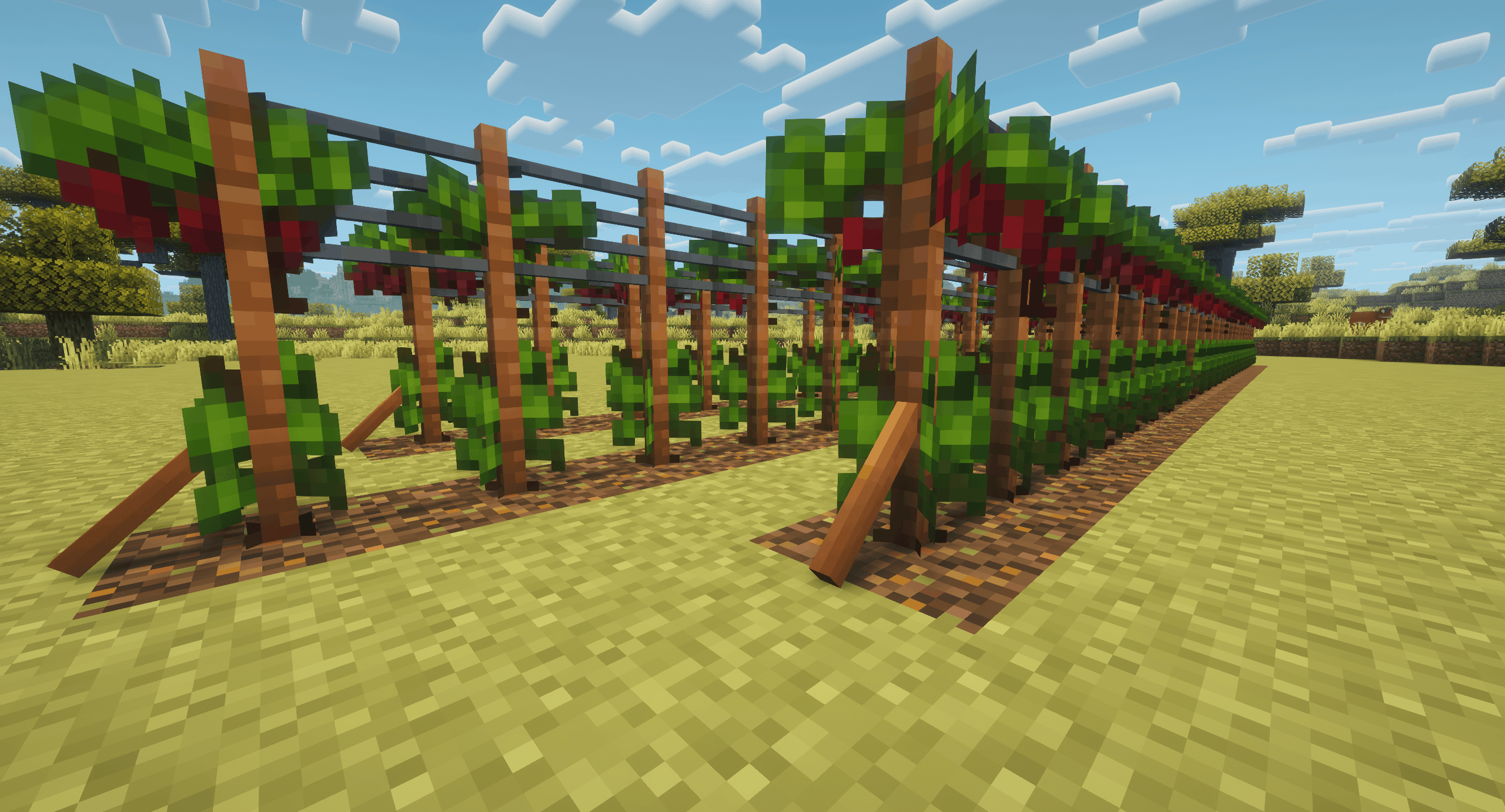 Vineyard Estate Connected trellis rows with mature grapevines.
 -
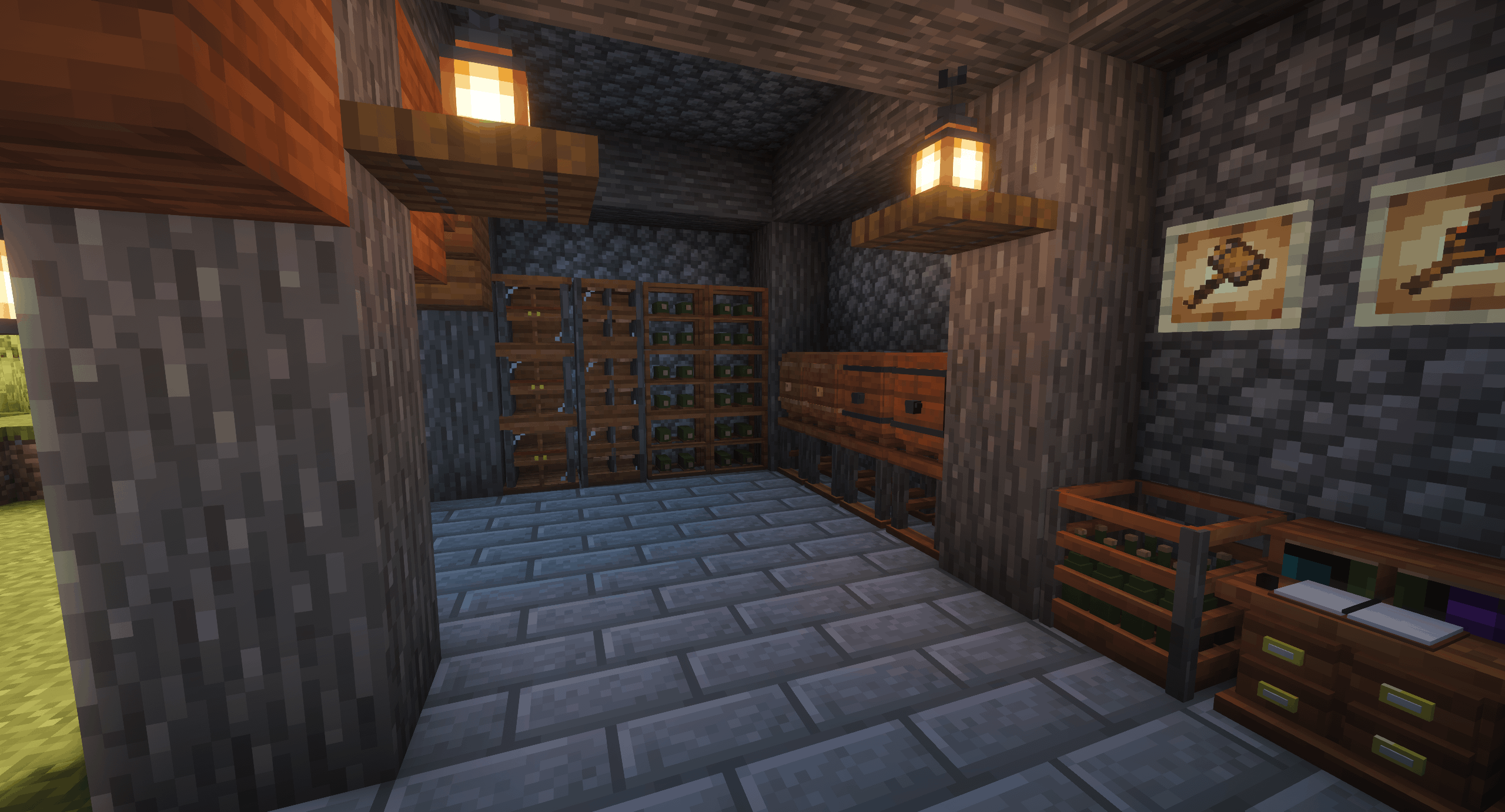 Working Wine Cellar Racks, crates, shelves, cabinets, and cellar storage in use.
 -
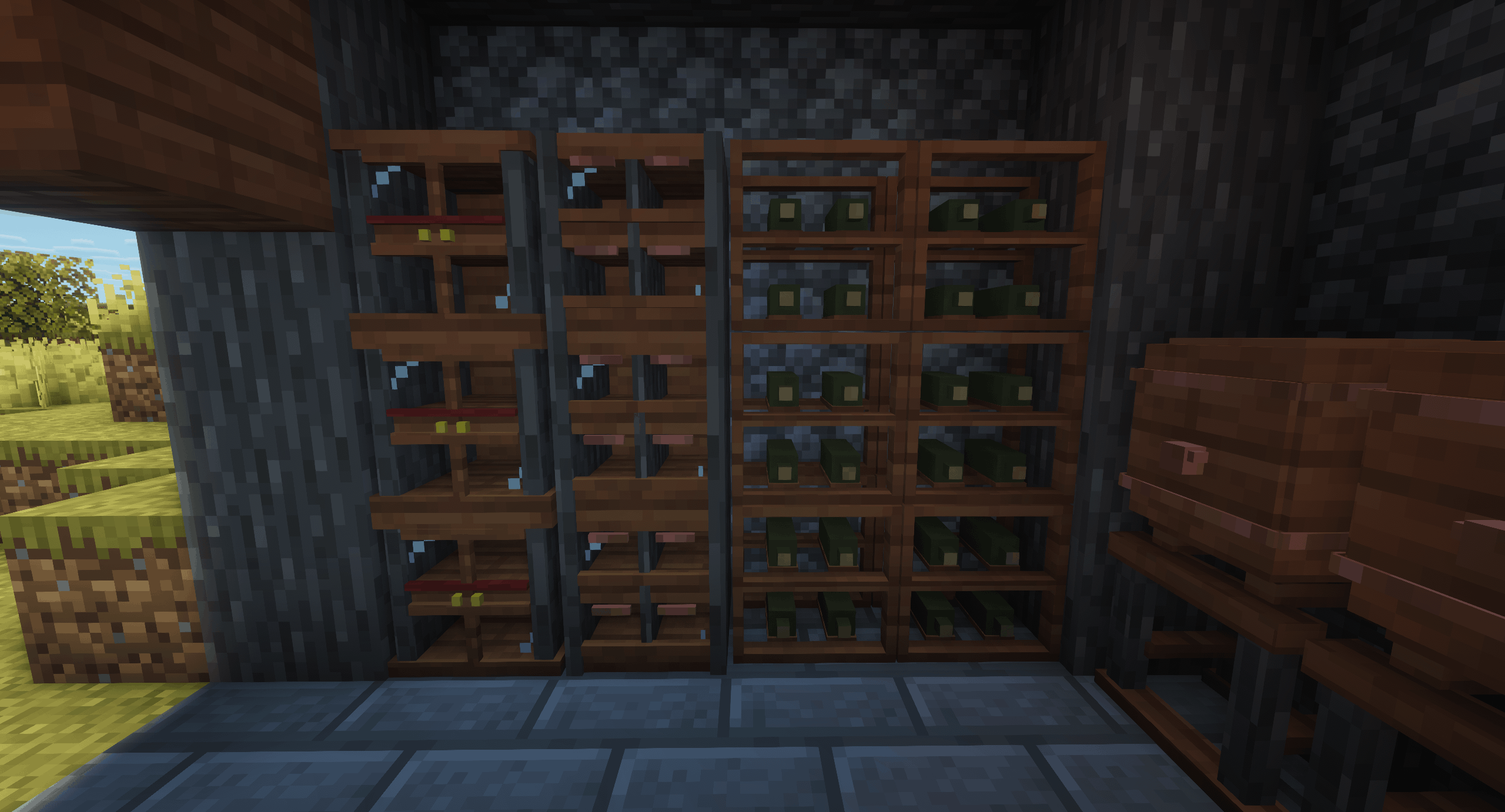 Vintage Storage Physical bottle storage with persistent wine metadata and ageing.
 -
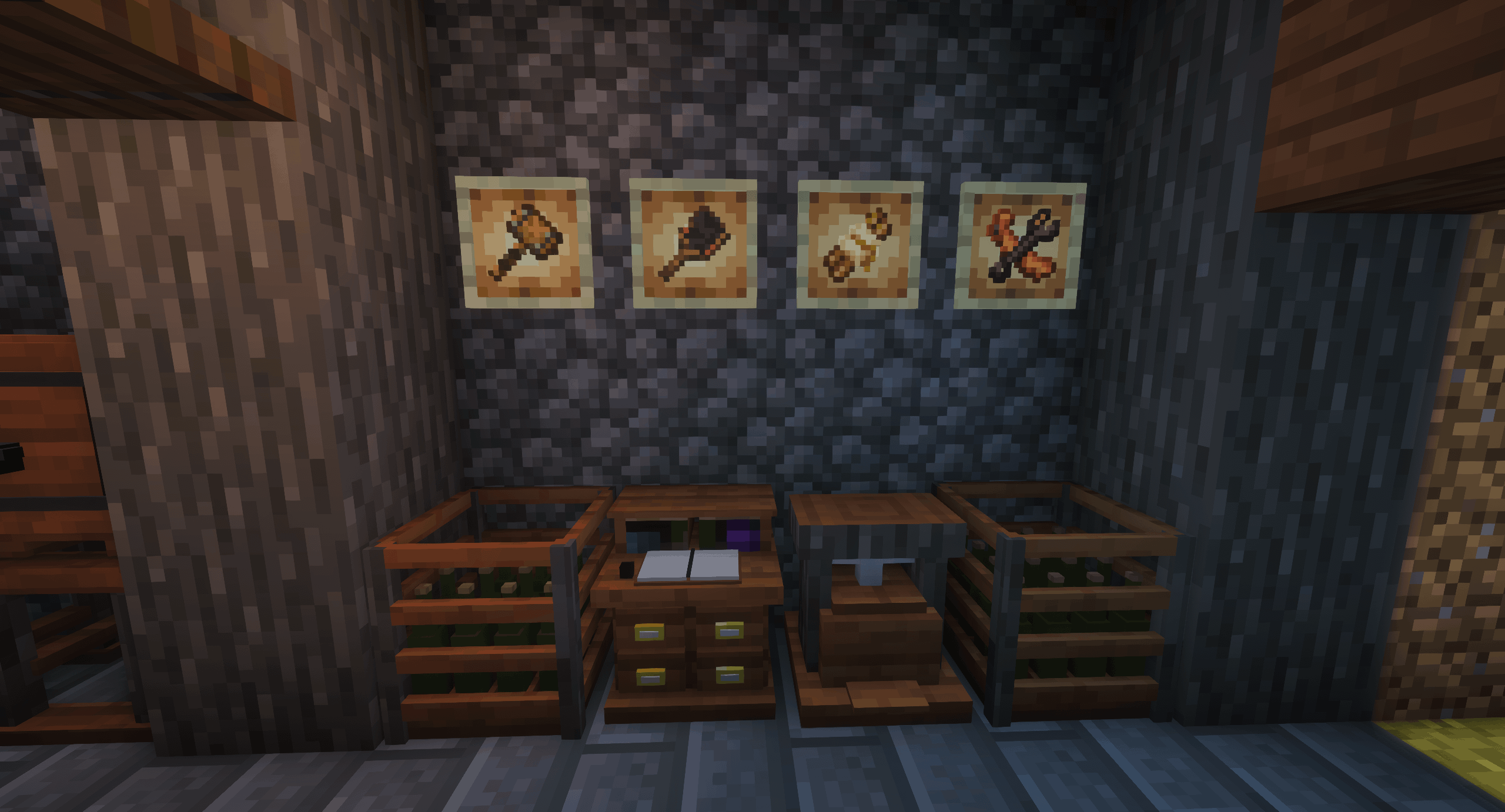 Cellar Tools Vintner's Almanac, Vintage Archive, and cellar equipment.
 -
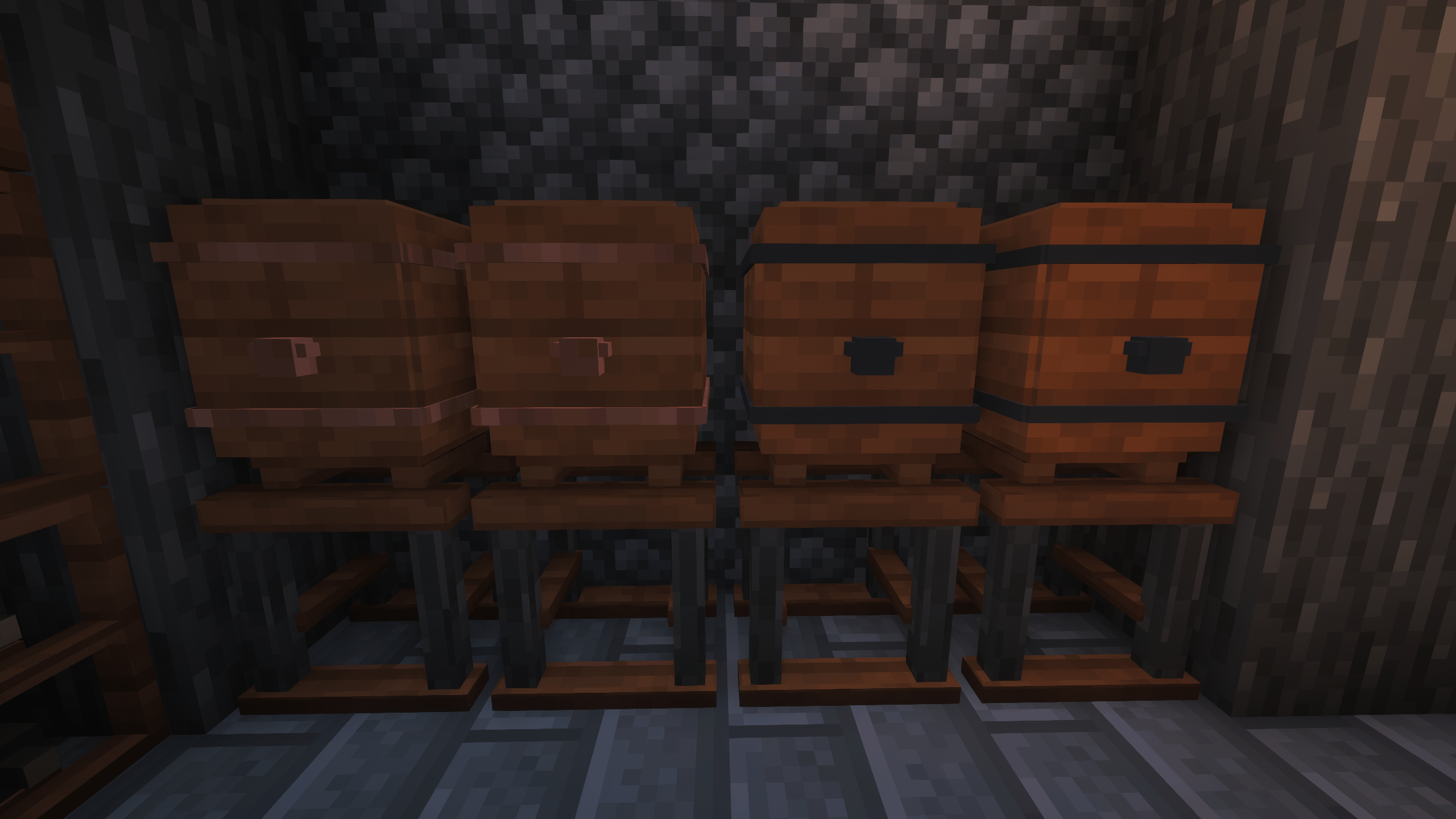 Ageing Vessels Different vessel strategies for wine maturation.
 -
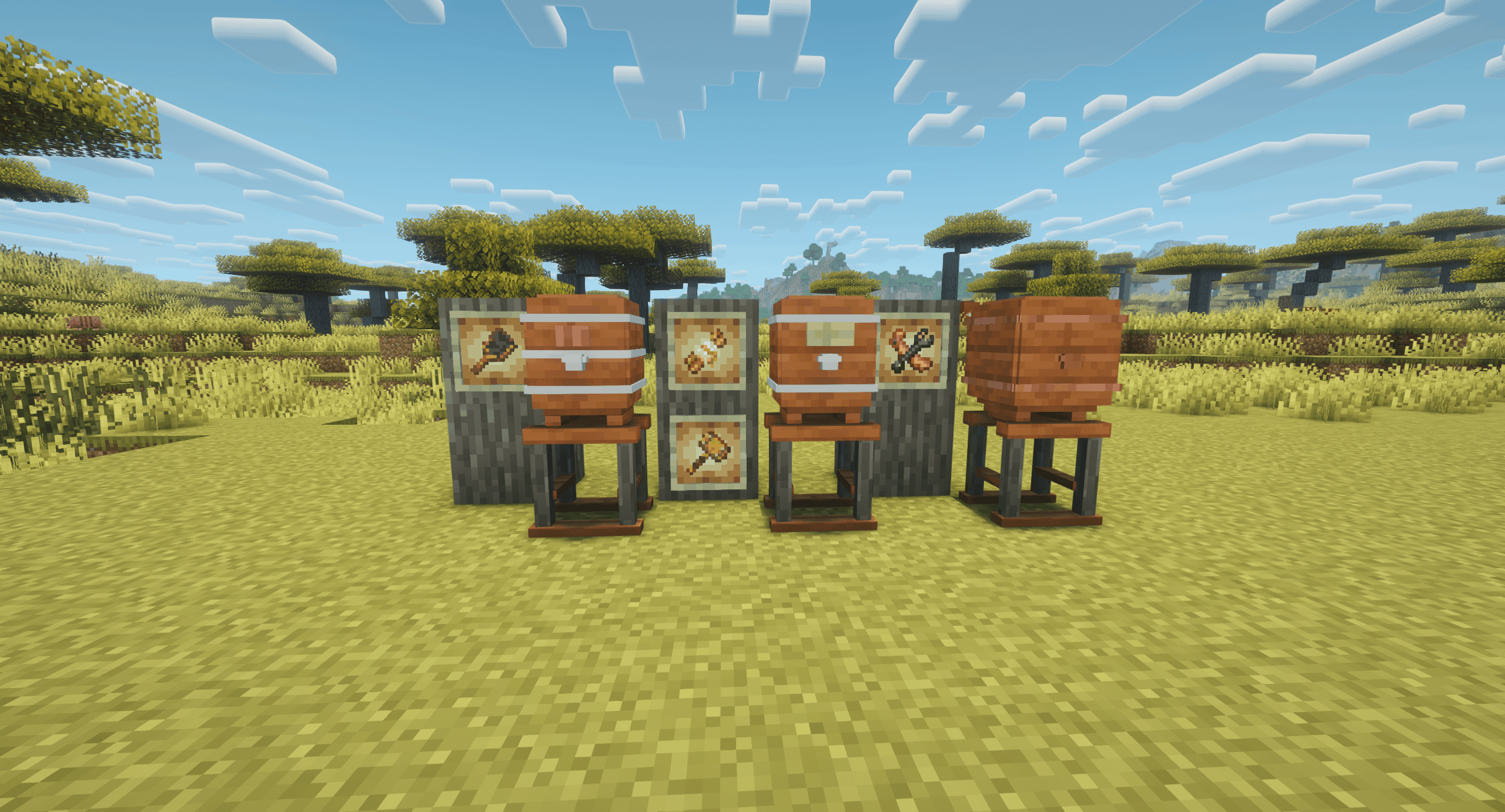 Specialist Ageing Specialist barrel treatments alter how a vintage develops.
-
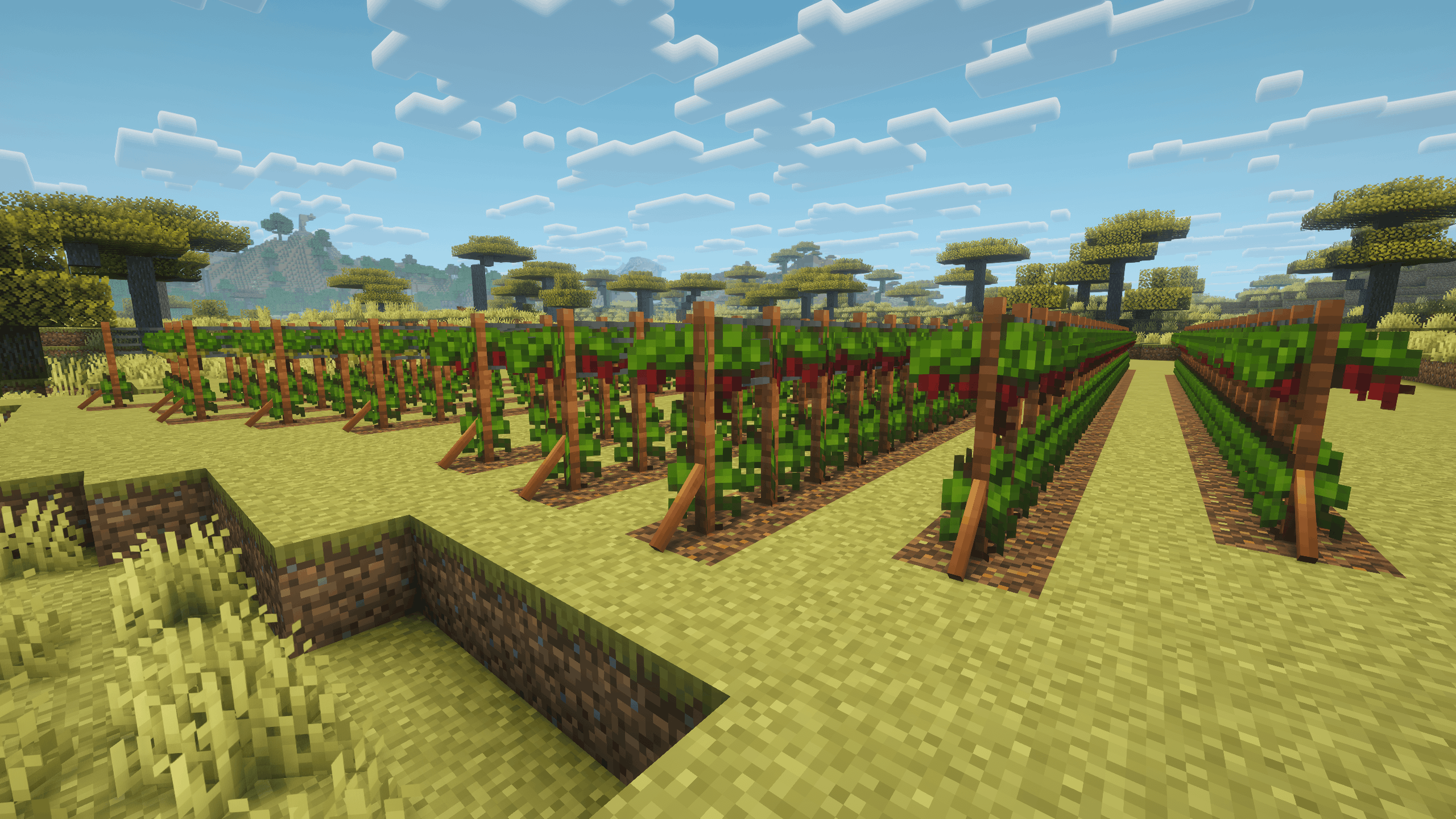 Vineyard Estate Mature red and white grapevines growing across connected trellis rows.
 -
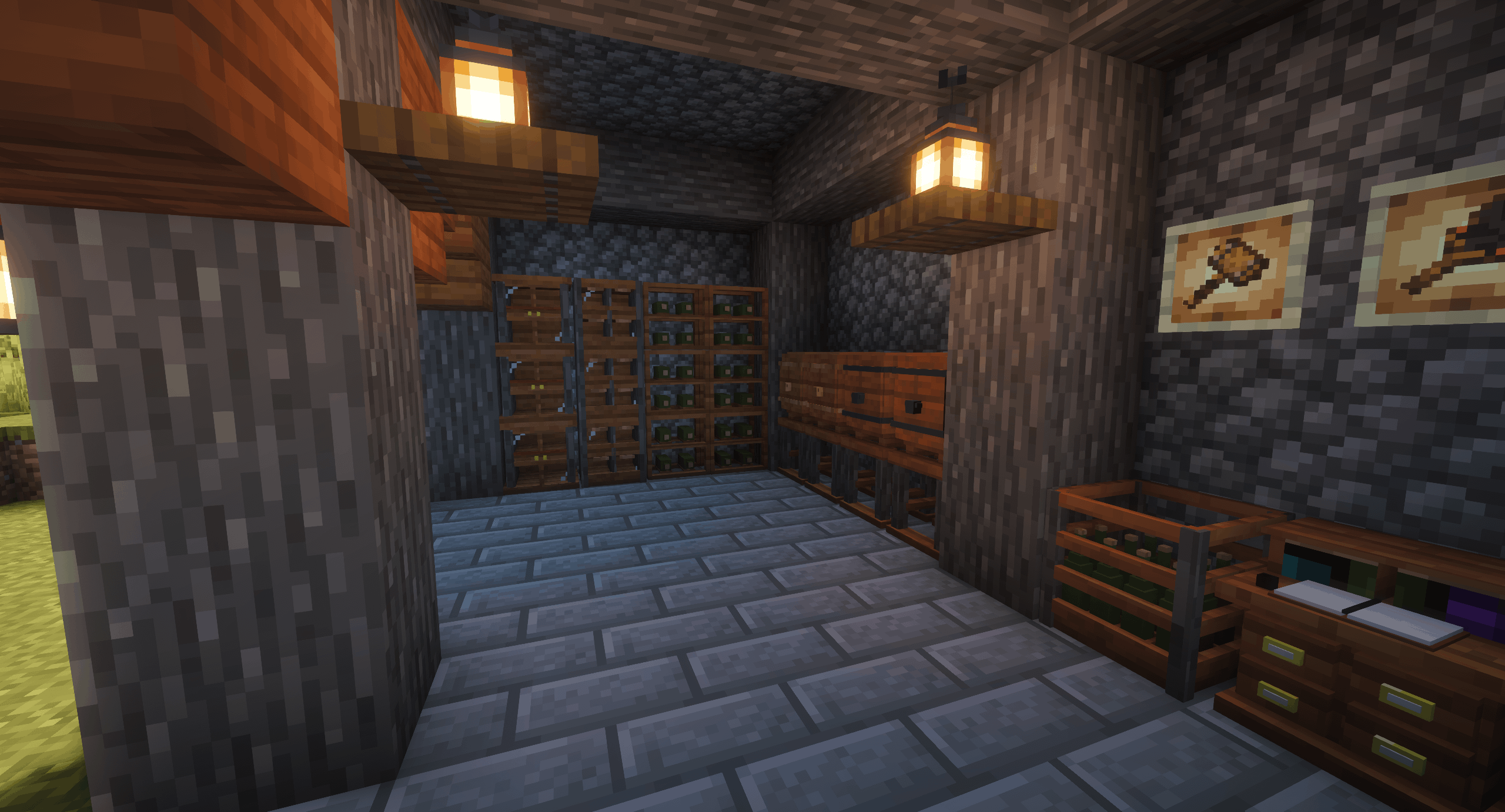 Working Wine Cellar Racks, crates, shelves, cabinets, and cellar storage in use.
 -
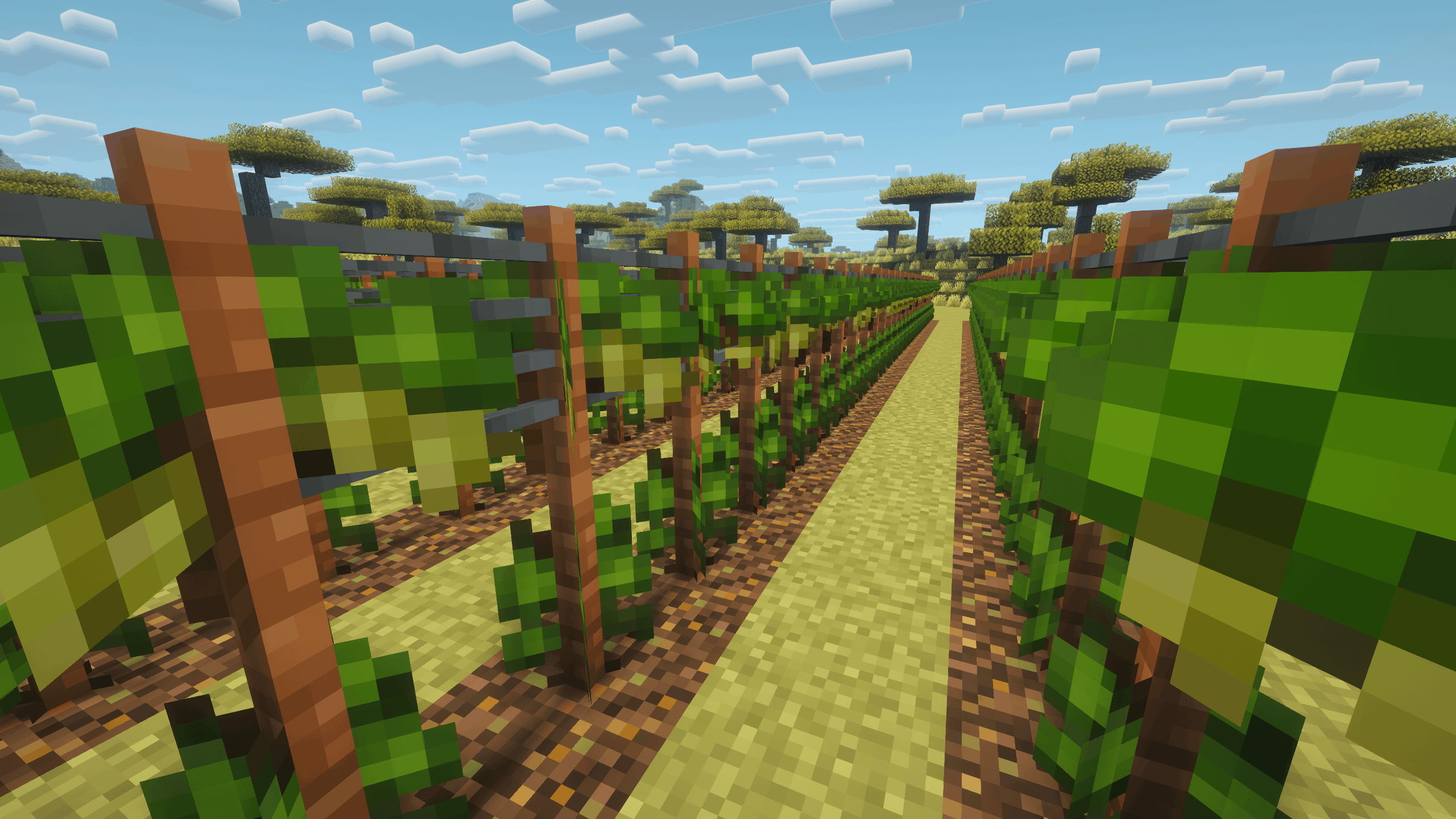 Among the Vines Connected trellises form long vineyard rows with mature grape canopies.
 -
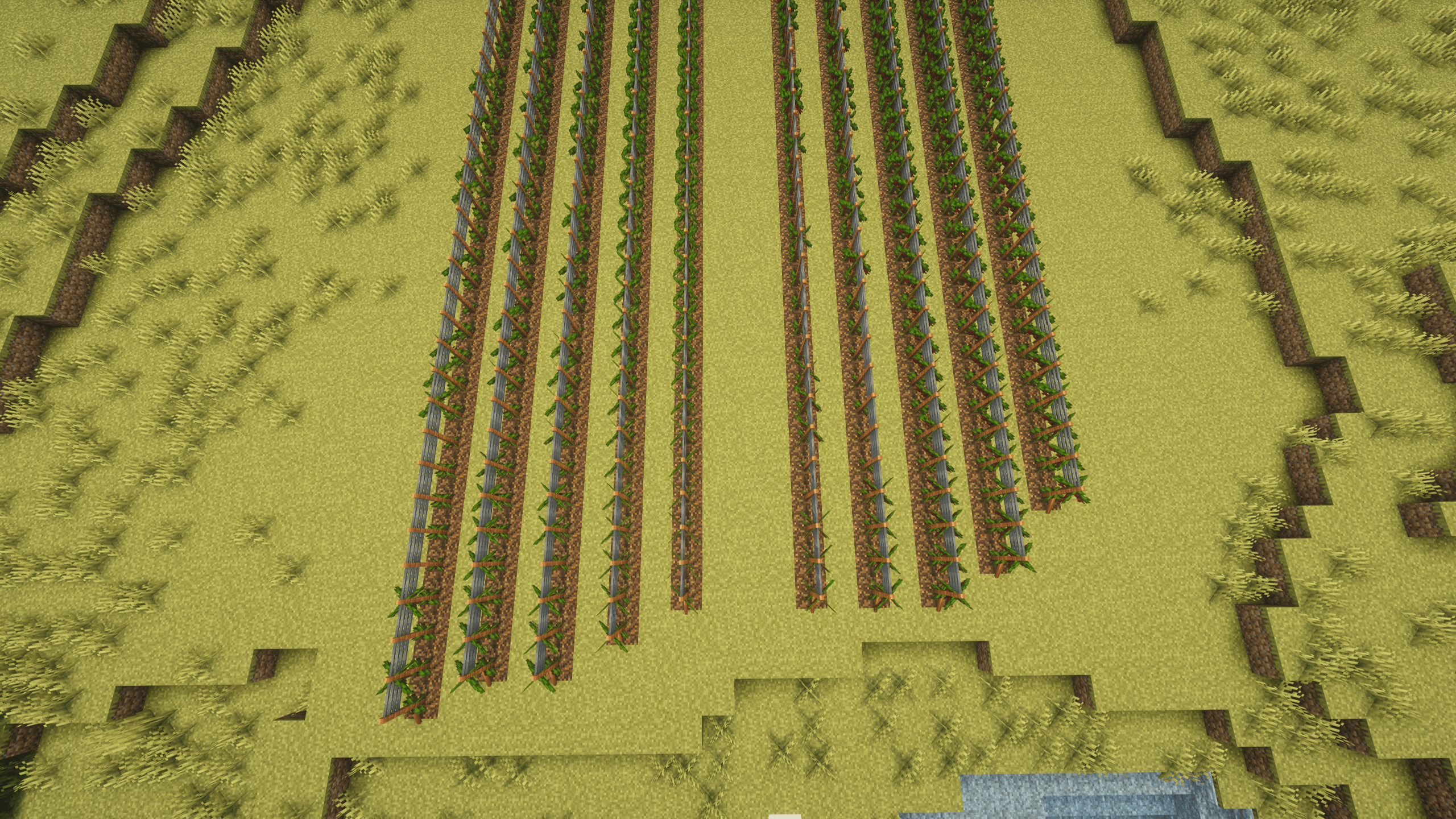 Vineyard Layout Large vineyards can be arranged into organised rows across the landscape.
 -
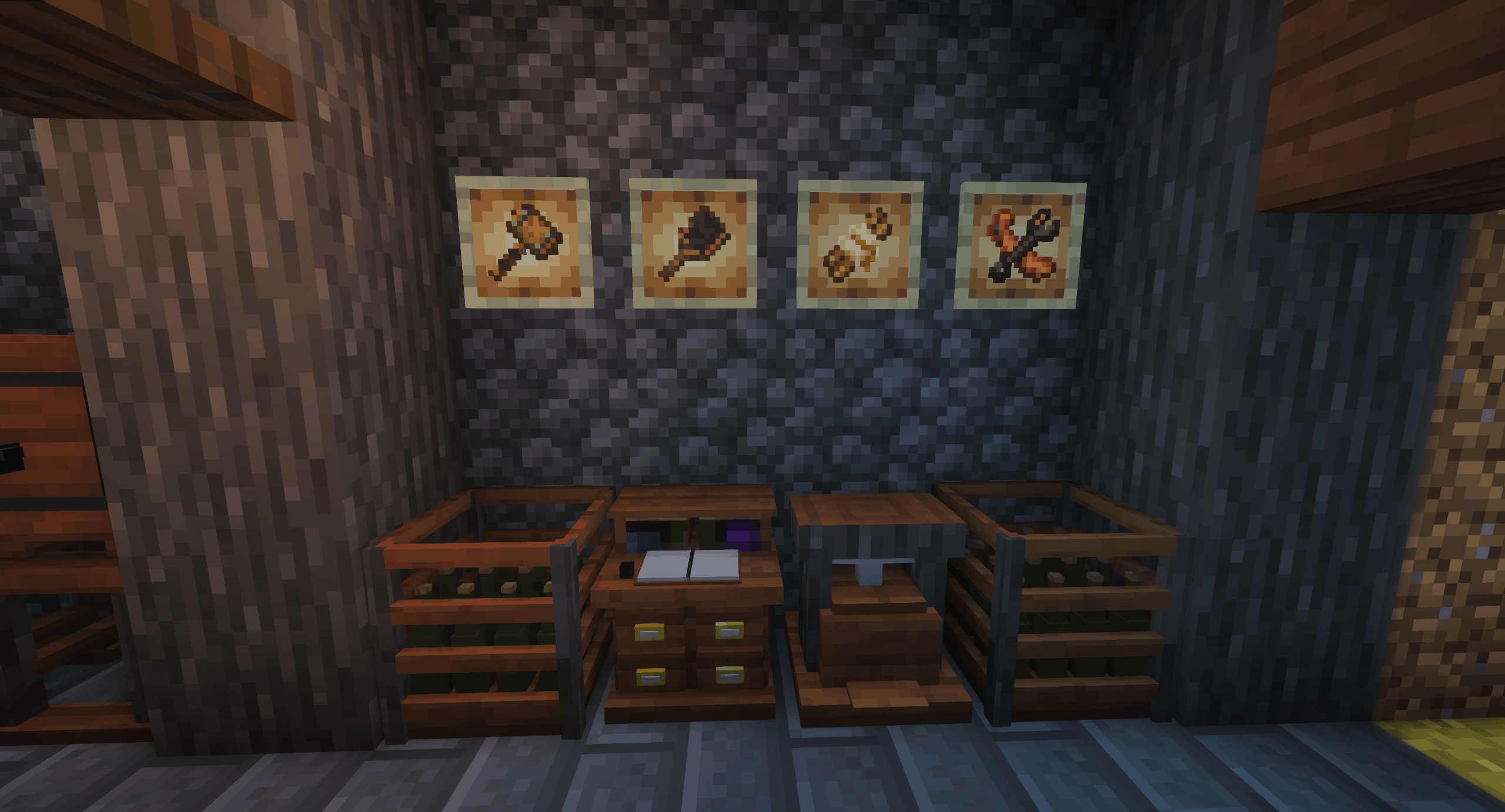 Cellar Tools Vintner's Almanac, Vintage Archive, and cellar equipment.
 -
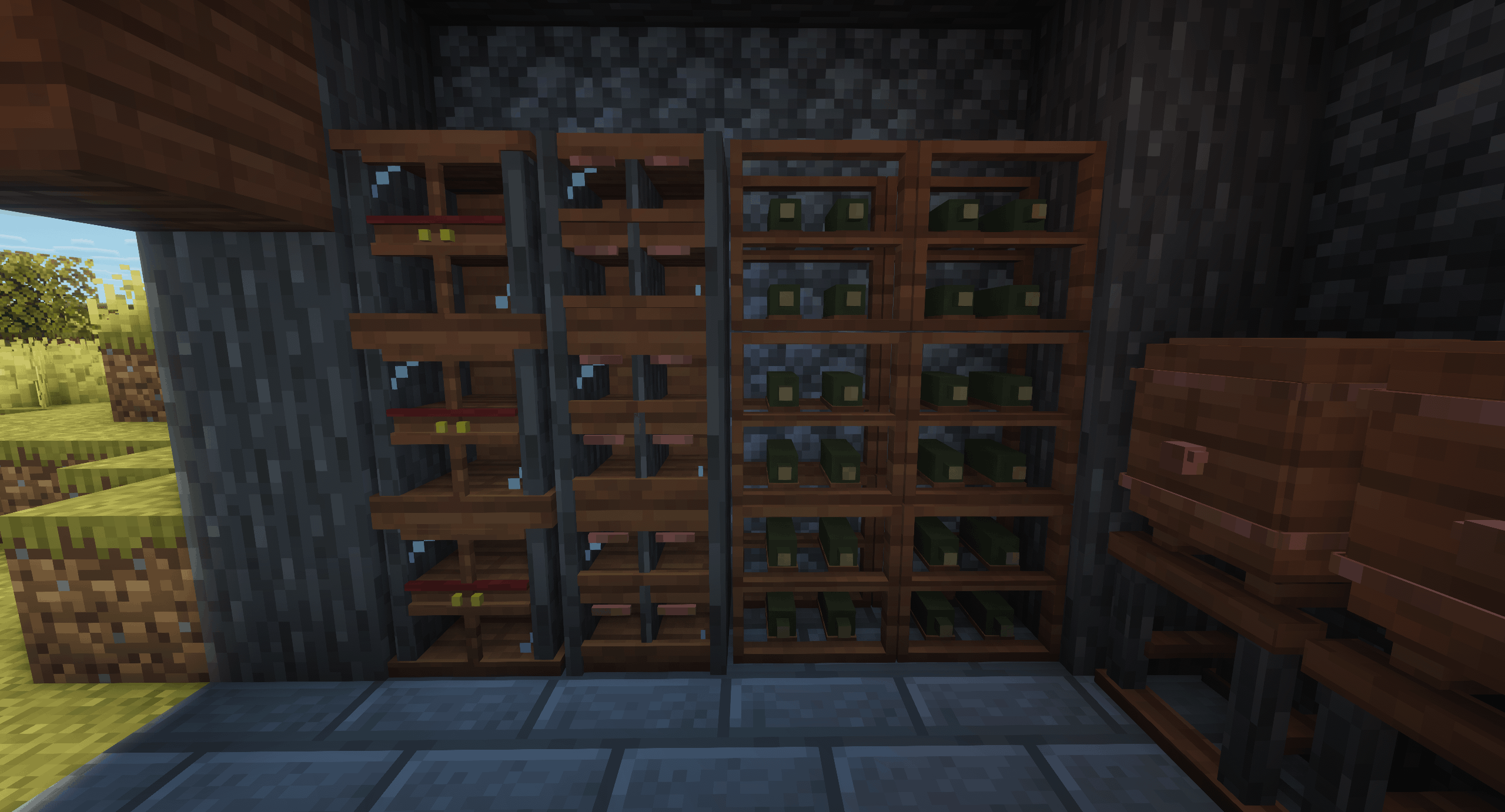 Vintage Storage Physical bottle storage with persistent wine metadata and ageing.
 -
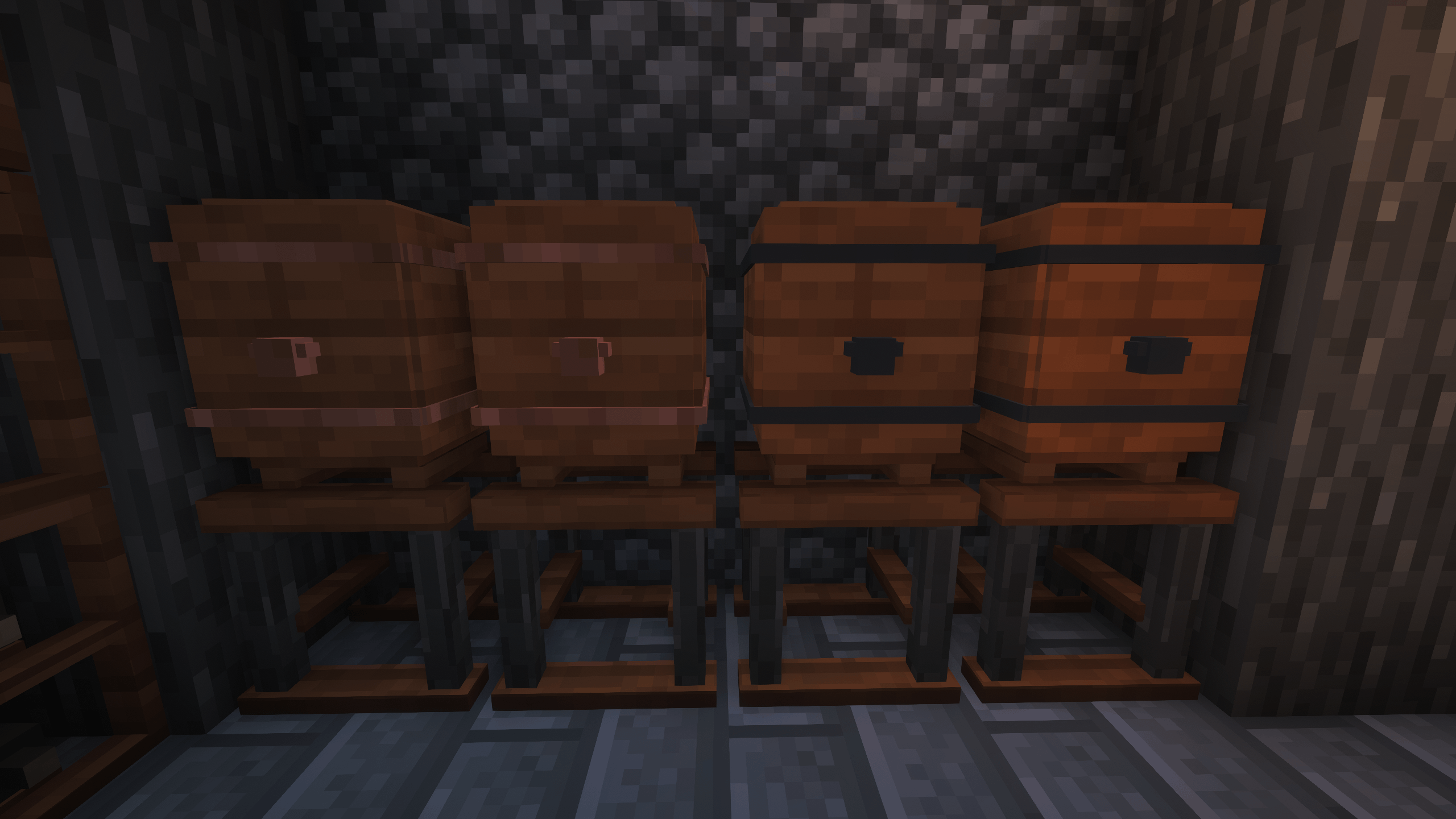 Ageing Vessels Different vessel strategies for wine maturation.
 -
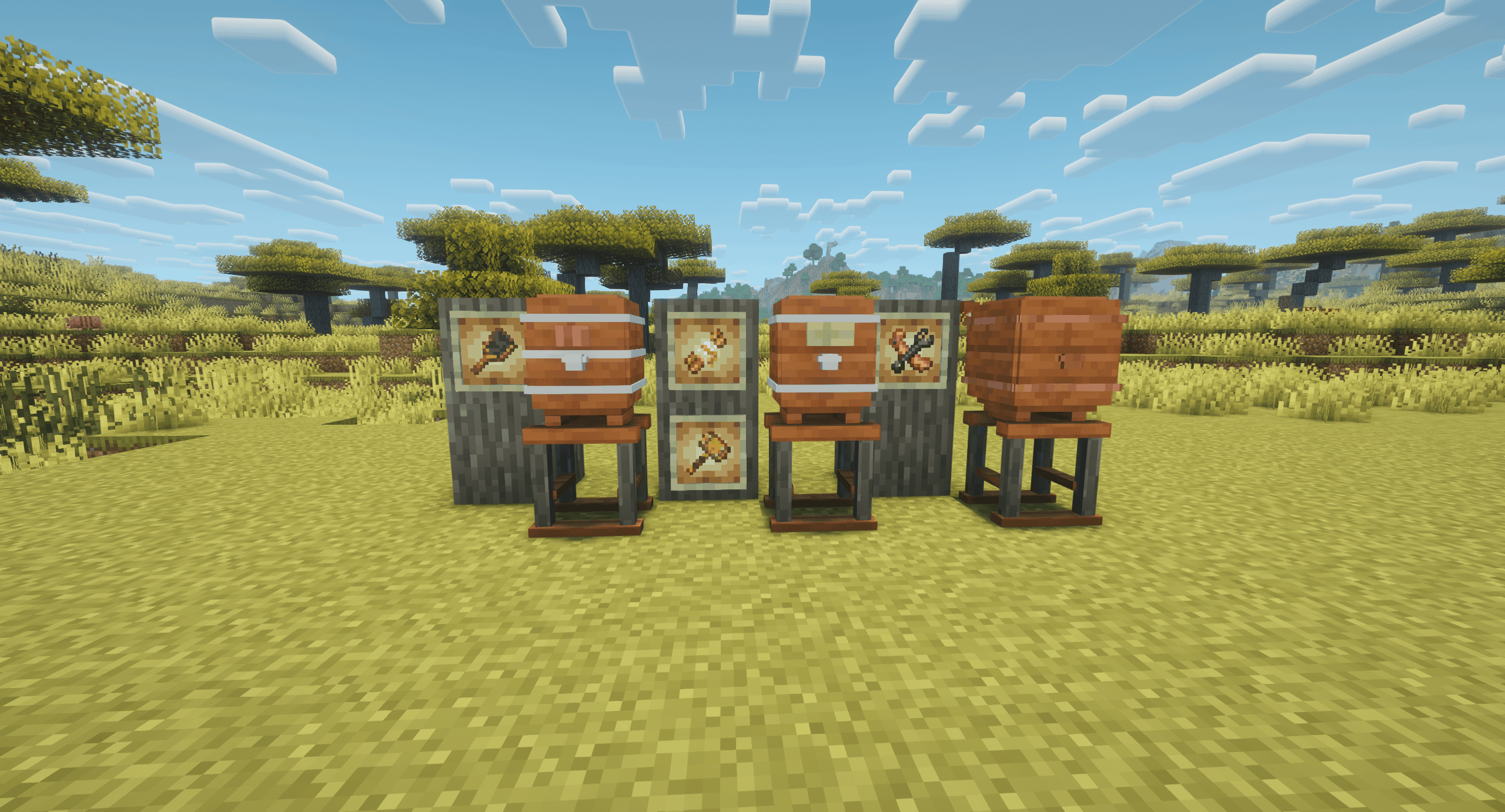 Specialist Ageing Specialist barrel treatments alter how a vintage develops.
Versions
Files
Relations
Project Relations
More like this
Similar Mods
Suggestions use data such as tags, dependencies, dependents, descriptions, titles, and more to rank how much they overlap with this mod.
On ModDex
Community snapshot
By the numbers
Statistics
Want to reach Minecraft players?
We're looking for a server hosting partner to feature here and other parts of the site. Interested? Send us a message!
Get in touchGet it on
Available Platforms
On ModDex
Community snapshot
By the numbers