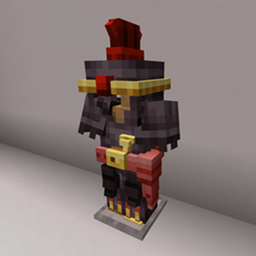
Community listing page, reviews here may not be monitored by the author.
ArmorPieces

No reviews yet
Add cosmetic or functional pieces to your armor using smithing templates. Download resource- and datapacks from github releases.
Community voices
Reviews
No reviews yet. Be the first to review this project!
Get it on
Available Platforms
About
Project Details
For authors
Embed Badge
If you're the author of this project, you can embed a live badge anywhere that supports HTML or Markdown. It updates automatically whenever ratings change.
Use HTML for any page that supports it, or Markdown for README files and Markdown-based descriptions.
Identifiers
Platform IDs
About
Description
Pieces, skins and cloth for armor — because someone else at spawn is wearing your diamond set.




Loaders: Fabric • Minecraft: 26.2 • Side: Client & Server
MAKE SURE TO DOWNLOAD V0.3.0! File is hidden behind 0.2.0 jar. Curseforge is not allowing me to reupload this version in the right location. Files also on https://github.com/mattjesmc/ArmorPieces/releases/tag/0.3.0
About
You know the one. You walk into spawn in your best diamond and the first person you see is wearing the same helmet, the same chestplate, the same Sentry trim in the same netherite. Vanilla can build 1,568,239,201 unique sets of diamond armor, which sounds like plenty right up until this happens to you twice in a week.
We'll make sure that never happens again! Armor Pieces takes that number to 3 × 10⁸⁴ — more than thirty thousand unique diamond sets for every atom in the observable universe.
It gives one piece of armor four layers of decoration, each an independent choice:
- a piece hung on a socket,
- a skin that changes what the plate itself is made of,
- a cloth worn over the chest,
- and vanilla's own trim underneath them all.
Every one of them is applied at a smithing table, and none of them replaces another - a helmet can carry a skin, a trim, a crest, a browband and a pair of horns at once.
Ninety-one pieces, over twelve sockets. crest, brow, horns, pauldrons, back, collar, vambraces, belt, tassets, knees, spurs, greaves - a plume on the helmet, spaulders on the shoulders, a sash on the belt, spurs on the heels. Pieces are real geometry hung on the body, not paint on the texture. A socket holds one piece and every socket has at least six to choose from, so the choice is the expressive act. Each piece is applied with a trim material and takes that material's colour.
Fourteen armor skins. A skin is the armor's own texture - what the plate is, rather than what is bolted to it. Plate, gothic, milanese, mail, chainmail, lorica, runic, hoplite, samurai, gambeson, brigandine, varangian, scale and lamellar. Each is recoloured through the armor material's own palette, so a skinned iron helmet still reads as iron and a modded armor material is skinned for free from the texture it already ships. A skin is paid for in the metal the piece is made of: re-skinning is re-forging.
Two cloths. A tunic or a tabard over a chestplate, carrying the design of any banner you make at a loom - so the heraldry is yours rather than a list the mod maintains. It is baked into the armor's texture rather than hung off it, so it clips nothing and the plate's own rivets and edges read through it.
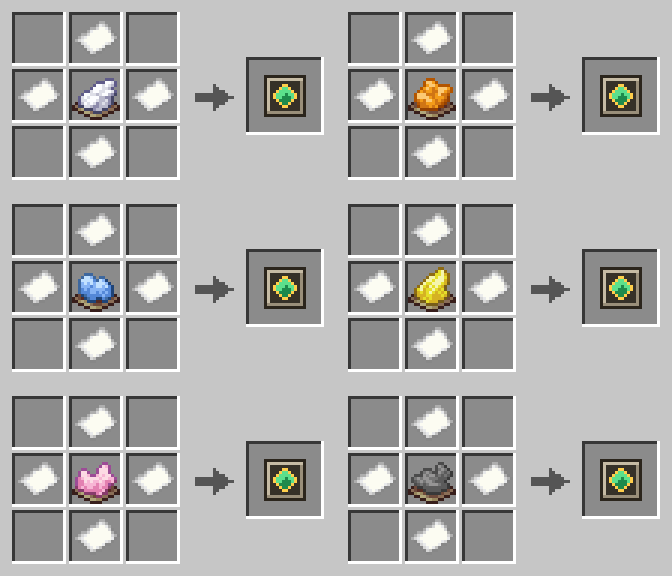
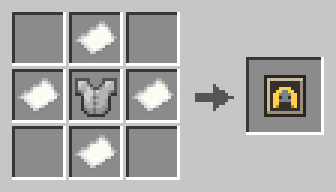
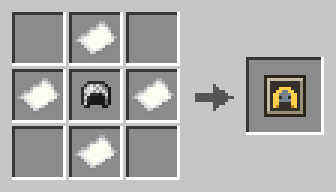
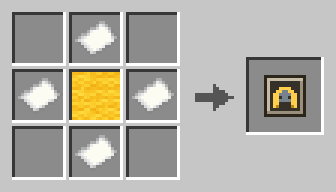
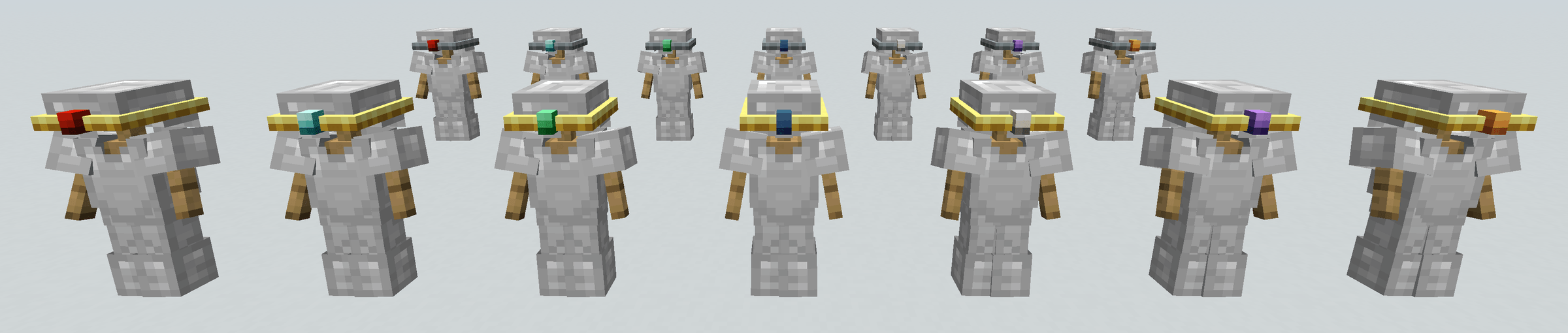
Fittings. Some pieces have a second colour, set separately: a gem in the circlet, a metal buckle and a dyed strap on the sash, a dyed inlay on the greaves, a banner on the back banner. One more smithing step, one template per fitting, and the item decides where it goes.
Most of it is found rather than made. Thirty pieces have a crafting recipe, the ones where the item is plainly the piece or what it is made of; the rest turn up in the chests that suit them, each theme in its own kind of structure, with the skins and the fitting templates alongside. An advanced smithing table shows a whole set worn by a stand and takes a piece, a fitting, a trim, a skin or a cloth off again, which the smithing table cannot.
Every piece, skin and cloth is a datapack entry, a model and a texture, no code - and a pack adds its own the same way, from Blockbench, in folders of its own.
New in 0.3.0
The release that turned a set of pieces into a wardrobe.
- Seventy-one new pieces — ninety-one in total. Every one of the twelve sockets now has at least six answers, and the six themes reach across the whole suit. Among them a family of seven flat visor styles on the
browsocket, whose sights are real openings with your own face behind them rather than paint. - Armor skins. A third template family, and the first thing in the mod that changes the armor itself instead of adding to it. Fourteen ship, each recoloured through the armor material's own vanilla palette, so a skin costs no per-material art and a modded material gets one free.
- Cloth. A fourth layer: a Tunic or a Tabard over a chestplate, wearing the design of any banner you make at a loom, painted into the armor's texture rather than hung off it.
- Most pieces are now found rather than crafted. A loot group is one file naming a category of vanilla tables and a tag of pieces found in them; six ship, one per theme — knightly gear in strongholds and trial chambers, beast trophies in bastions, court jewellery in mansions and ancient cities, tidal pieces in shipwrecks and ocean ruins, and so on. Skins are divided over the same six, and a fitting template turns up in all of them.
- The chance belongs to the table, not to the piece. One pool per table, rolled once: a chest's odds of holding something of ours stay put however many pieces are added. Another piece changes which one you find, never how often.
- The advanced smithing table. Crafted from a smithing table, an armor stand and two iron ingots. It holds a whole set worn by a stand and lists each piece's sockets and fittings as rows of icons, with its trim, its skin and its cloth on a row of its own — and Remove is the one way any of them ever comes off.
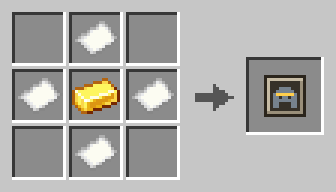
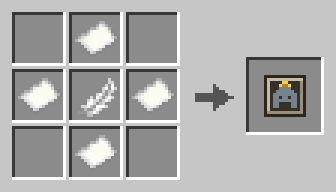
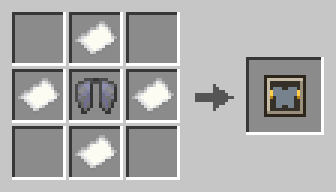
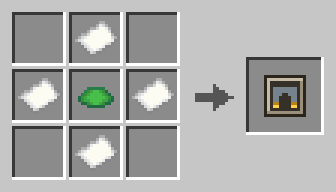
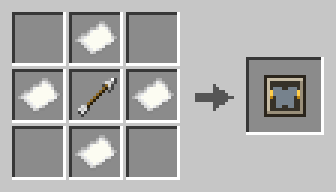
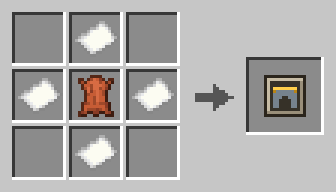
- Thirty recipes, not ninety-one. A template recipe now ships only where the centre item is plainly the piece or what it is made of — a bell for the bells, a goat horn for the horns. The rest are found.
- One template per fitting. Gemstone, Guard, Inlay and Banner, each with its own look, name and recipe, instead of one template that guessed.
- Any recipe the mod ships can be switched off by overriding its file with
{"type": "armorpieces:disabled"}. - Pieces on the first-person hand. Vanilla shows a bare sleeve there and no armor at all; pauldrons and vambraces now ride the hand you actually spend the game looking at.
first_person_partsinconfig/armorpieces.jsonturns it off — the mod's first setting. - Blockbench, for your pack. The plugin no longer assumes content lives in this repository: it opens a piece on the vanilla player wearing real armor, paints master, static layer and fitting masks in place, previews any trim material live, and on Save writes every file into your datapack and resource pack — which it makes, finds and zips for you.
Features
- Twelve sockets, one piece at a time —
crest,brow,horns,pauldrons,back,collar,vambraces,belt,tassets,knees,spurs,greaves. A socket holds one piece, so a new crest replaces the crest — and with ninety-one pieces every socket has at least six to choose from. Seven of the sockets are mirrored pairs, so spaulders means both shoulders. - Coloured by vanilla trim materials — One grayscale master per piece is mapped onto each material's own palette at load time. A new trim material costs a piece no new art at all.
- On your own hands, in first person — Vanilla draws a bare sleeve on the first-person hand and nothing else — not armor, not a trim — so the one view you spend the whole game in is the one that never showed what you were wearing. Pauldrons and vambraces show there now, on the same player model the world sees, swinging with the arm through every animation the hand already has. They are close to the camera and they are meant to be — and there is a setting to turn them off, if you would rather keep the view clear.
- Fourteen armor skins — The one thing here that changes the armor itself rather than adding to it — plate, gothic, milanese, mail, chainmail, lorica, runic, hoplite, samurai, gambeson, brigandine, varangian, scale, lamellar. One greyscale master pair on vanilla's own armor grid, recoloured at load through eight shades taken from that armor material's vanilla texture, with vanilla's own panel edges and shadows mixed back over it. A skinned iron helmet still reads as iron, gold still reads as gold, and a modded armor material is skinned for free from the texture it already ships. Applied at the advanced smithing table with the piece's own reforging material — re-skinning is re-forging, and it costs the metal the piece is made of.
- Cloth over the chest — A Tunic or a Tabard, applied with a cloth template and a banner, and the design is the banner's — sixteen dyes crossed with every pattern layer, made at a loom, so the heraldry is a player's choice rather than a list the mod keeps. It is painted into the armor's own texture rather than hung off it, so it moves with the armor, clips nothing, and the plate's rivets and edges read through it. It sits over the skin, under every piece and under the trim. One greyscale cut mask ships the whole feature; there is no per-material art and no per-banner art.
- Fittings — A piece can declare places for a second material —
gemstone,guard,inlay,banner— and a fitting template sets one: gems and metals by trim material, inlays by dye, banners from a banner made at a loom. There is a template per fitting, each with its own look and recipe, and the template with the third slot empty takes its fitting out again. Fittings are data too — a pack's new fitting gets its template from a recipe — and an effect can be gated on one. - Found in the world — Most pieces are found rather than crafted, each theme in the structures that suit it — knightly gear in strongholds and trial chambers, beast trophies in bastions, court jewellery in mansions and ancient cities, tidal pieces in shipwrecks and ocean ruins. A loot group is one file naming a category of tables and the tag of pieces found in them, so a pack adds a whole look to the world at once, or drops one piece into one chest from its own data file — the one thing a datapack cannot do for itself, since it can only replace a vanilla table whole. Armor skins are found the same way, divided over the same groups, and a fitting template turns up in every one of them. The odds belong to the table, so a chest's chance of holding something stays put however many pieces are added. A loot function puts a piece on the armor a table drops, gem and all.
- Taking pieces off — The advanced smithing table, crafted from a smithing table, an armor stand and two iron ingots, holds a whole set worn by a stand at once and lists each piece's sockets and their fittings as rows of icons, with the piece's own row under them — its trim, its skin and, on a chestplate, its cloth. Pick one and Remove empties it — the one way a piece, a fitting, a trim, a skin or a cloth ever comes off. An empty place shows a hint of the template that would fill it. Its own template and material slots run the smithing table's recipes, with the result on the stand before it is paid for, and a fitting goes into the socket that is picked rather than into every piece that takes one.
- One smithing recipe per socket, forever — The piece rides on the template item as a component, so a pack hands out a template and needs no recipe of its own. And any recipe the mod ships can be switched off by overriding its file with
{"type": "armorpieces:disabled"}— a piece that is found rather than made, a server without fittings. - Optional behaviour — A piece may carry effects — attributes, mob effects, a projectile dodge, gliding — configured in the same JSON file.
pinionsis a cut-down elytra that actually flies. - A Blockbench plugin for making pieces — Opens a piece on the vanilla player wearing real armor, walk cycle and all. Master, static layer and fitting masks are painted in place, any trim material previews live with its fittings filled or empty, the name, sockets, fittings, effects and loot are a dialog, and Save writes every file the pack needs — into your own datapack and resource pack, which it makes, finds and zips for you.
Gallery
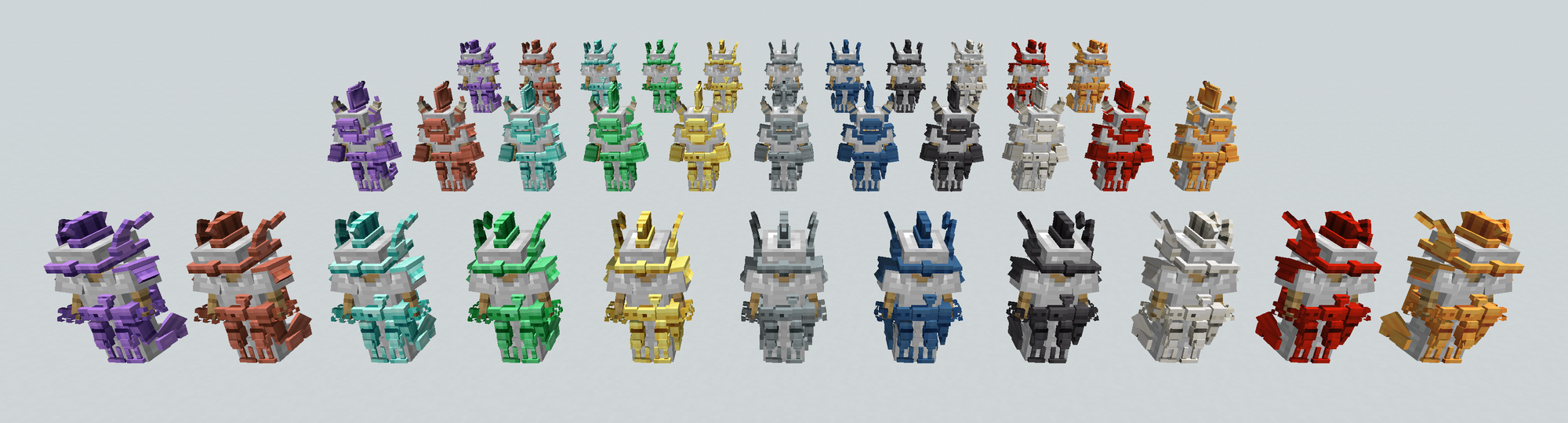
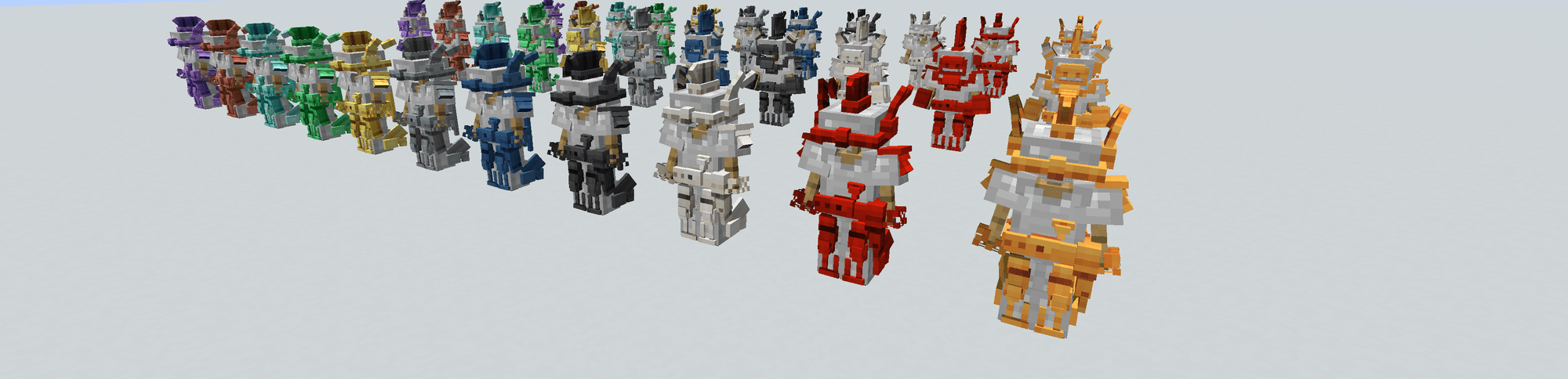
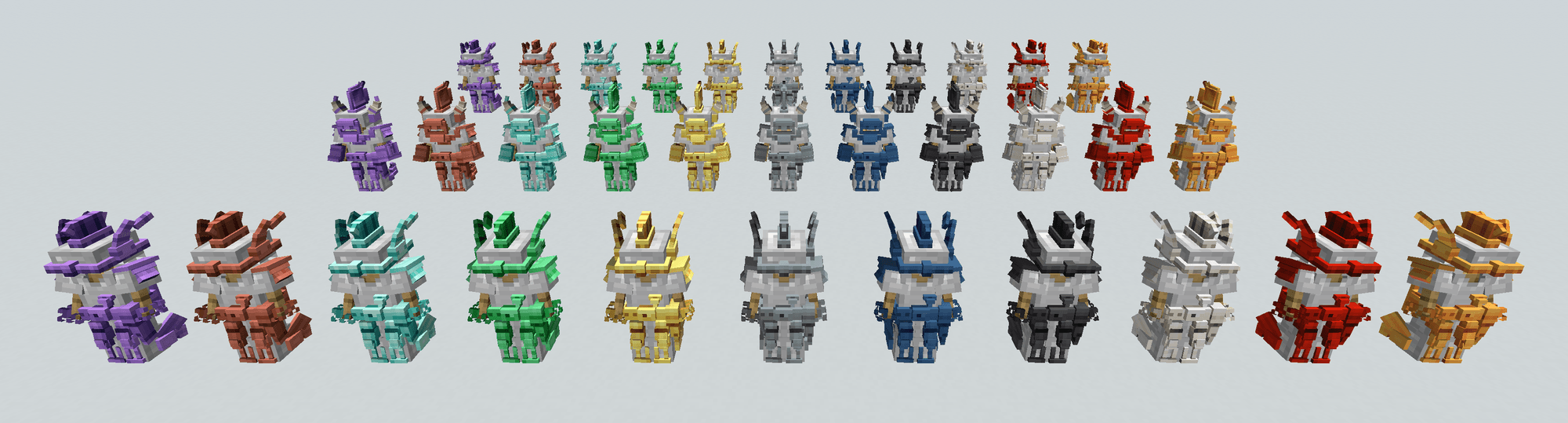
The six themed sets, every socket filled — knightly, court, beast, wayfarer, tidal, carapace
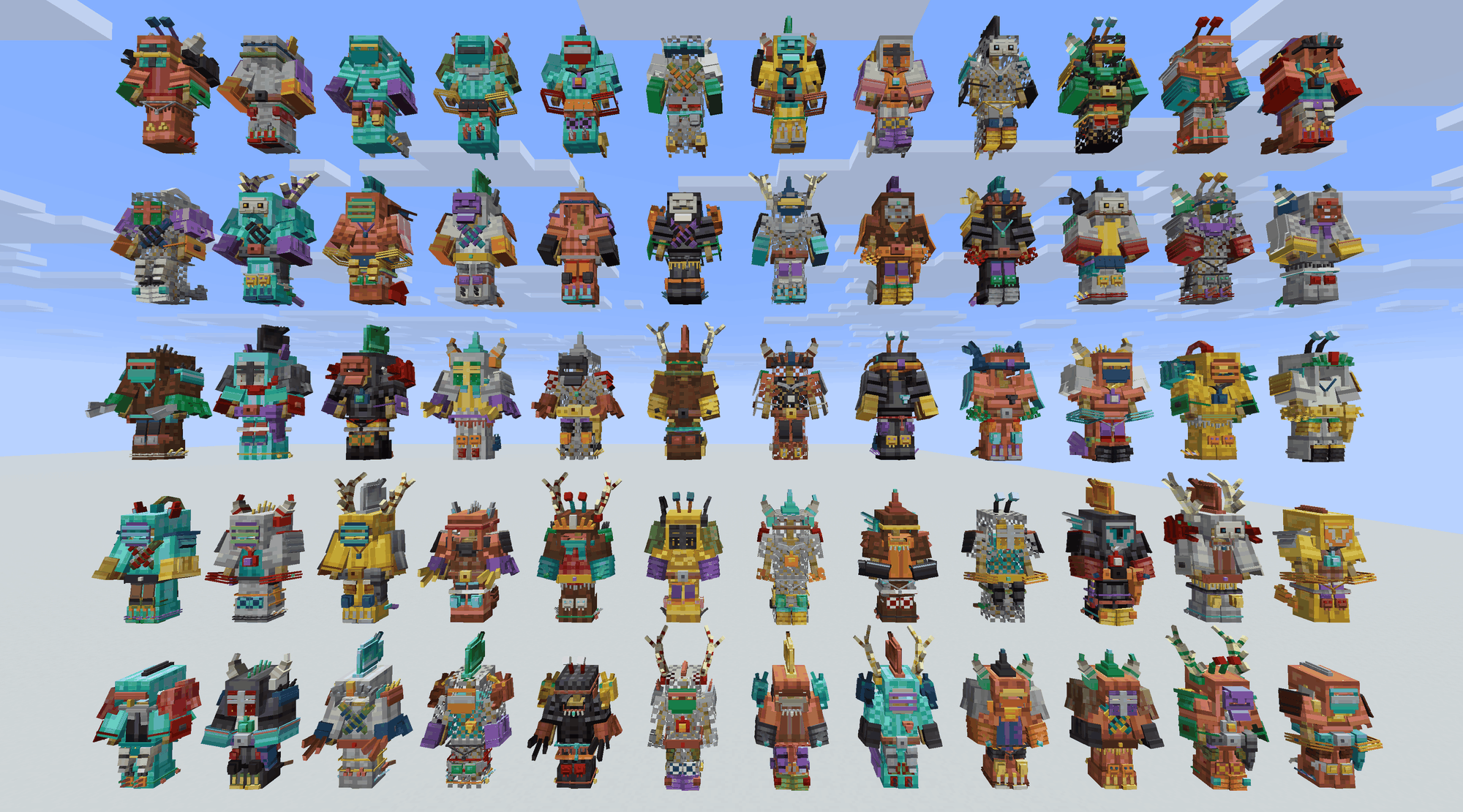
Sixty sets with nothing about them chosen — armor, skin, cloth, piece, material and every fitting rolled

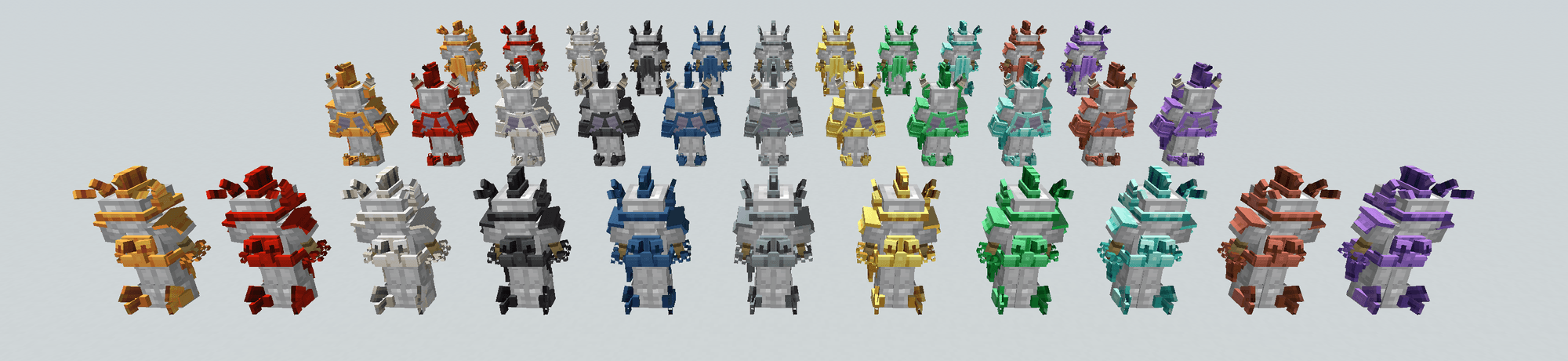
Fourteen armor skins on one diamond suit — the plate itself changed, not something hung on it
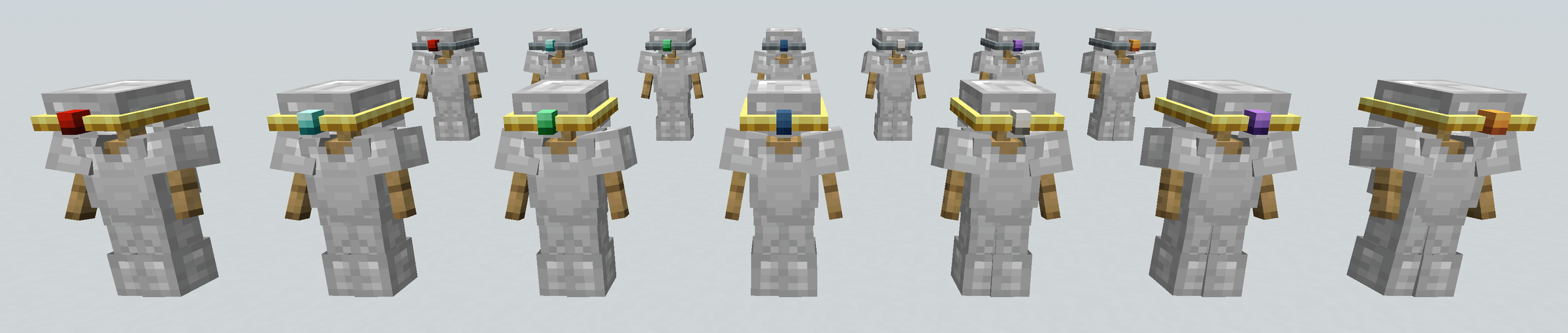
One circlet, seven gems — the fitting takes a second material
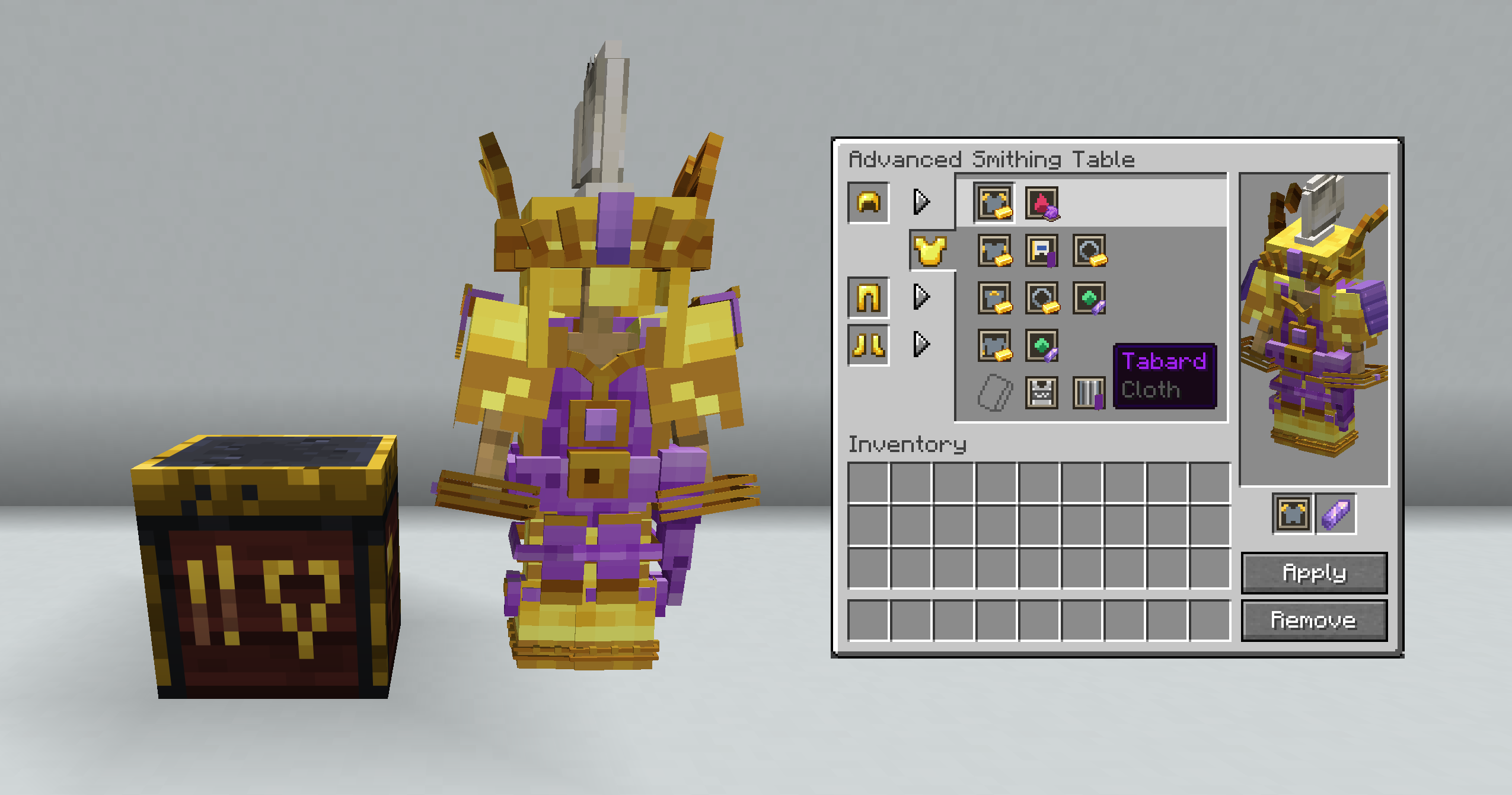
The advanced smithing table, holding the whole court suit beside it — the chestplate's sockets and their fittings as rows of icons, its own trim, skin and cloth under them, and Remove, the one way any of it comes off again
How many sets is that?
A diamond set in vanilla is one look plus a trim. Eighteen patterns times eleven materials, plus untrimmed, is 199 states per piece — and 1,568,239,201 for a set of four.
Now count that same diamond set with this mod installed. Each piece keeps all 199 of its trims and gains a skin (fourteen, or bare), a piece in each of its sockets, each piece in one of eleven materials, each piece's fittings filled or left empty — a gem from seven, a metal from four, an inlay from sixteen dyes — and the chestplate a tunic or a tabard on top.
| Vanilla diamond | With Armor Pieces | |
|---|---|---|
| Helmet | 199 | 1,833,029,934,300 |
| Chestplate | 199 | 5,113,599,898,358,700 |
| Leggings | 199 | 1,839,405,834,600 |
| Boots | 199 | 1,187,185,245 |
| Full set | 1,568,239,201 | 20,468,798,559,625,822,847,874,604,407,037,697,665,836,570,000,000 |
That is 2 × 10⁴⁹ — about 10⁴⁰ times the whole of vanilla, and roughly a sixth of the atoms in the Earth. Some smaller ways to hold it:
- The boots alone come to 1,187,185,245 arrangements: three quarters of every trimmed diamond set vanilla can build, on your feet.
- The helmet alone is 1,169 times vanilla's entire four-piece space.
- Shape alone, before a single colour is chosen — which piece sits in which socket, and nothing else — is 368,709,304,320 distinct silhouettes. 235 times vanilla's fully trimmed space, in pure geometry.
- Pick a set a second and you exhaust vanilla in fifty years. You exhaust this one in 4.7 × 10³¹ times the age of the universe.
And all of that counts a banner as a single design, which it is not. A banner is sixteen base colours and up to six layers of forty-two patterns in sixteen dyes: 1,475,646,641,940,097,552 banners, any of which can go on the back banner, the cloak, the tunic or the tabard. Count them properly and the chestplate alone reaches 7.7 × 10⁵⁰, and a full set:
3.07 × 10⁸⁴ — over thirty thousand distinct diamond sets for every atom in the observable universe. (There are about 7.3 × 10⁷⁹ of those, if you take Planck's numbers and the baryons they imply.)
And every number on this page is diamond alone, because that is what vanilla is being compared against. Diamond is one of seven armor materials, six of which take a skin — which multiplies the whole table by about thirteen hundred again, before leather has been dyed.
Nobody at spawn is wearing yours.
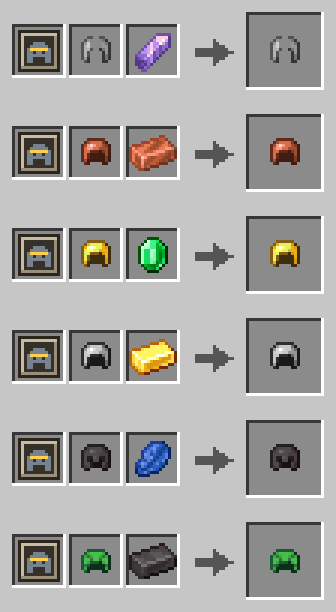
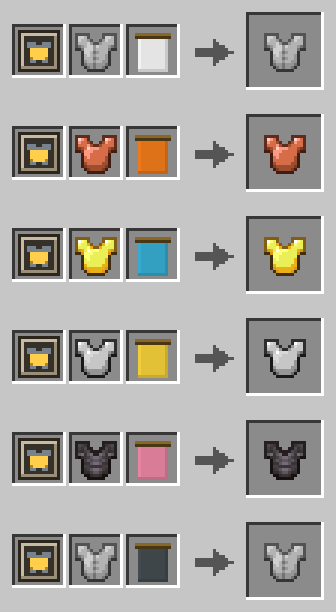
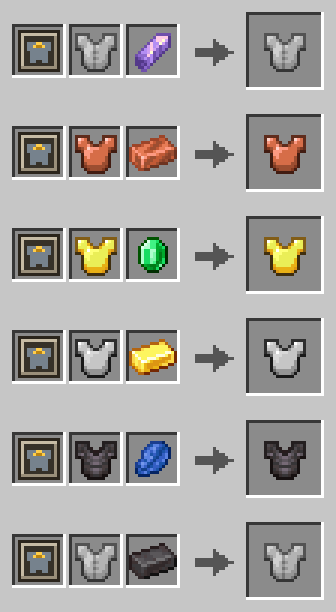
Recipes
>"><img_src="https://raw.githubusercontent.com/mattjesmc/armorpieces/main/docs/assets/recipes/armorpieces__advanced_smithing_table.png"_alt="crafting_recipe_for_advanced_smithing_table">">//raw.githubusercontent.com/mattjesmc/armorpieces/main/docs/assets/recipes/armorpieces__advanced_smithing_table.png"_alt="crafting_recipe_for_advanced_smithing_table">">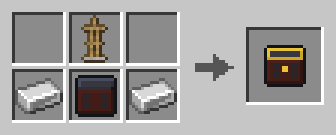 |
>"><img_src="https://raw.githubusercontent.com/mattjesmc/armorpieces/main/docs/assets/recipes/armorpieces__apply_back.gif"_alt="smithing_decoration_recipe_for_apply_back">">//raw.githubusercontent.com/mattjesmc/armorpieces/main/docs/assets/recipes/armorpieces__apply_back.gif"_alt="smithing_decoration_recipe_for_apply_back">">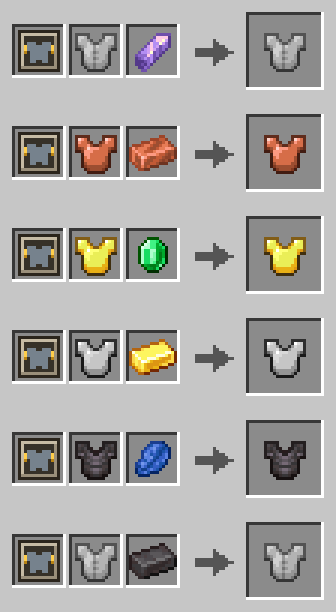 |
>"><img_src="https://raw.githubusercontent.com/mattjesmc/armorpieces/main/docs/assets/recipes/armorpieces__apply_belt.gif"_alt="smithing_decoration_recipe_for_apply_belt">">//raw.githubusercontent.com/mattjesmc/armorpieces/main/docs/assets/recipes/armorpieces__apply_belt.gif"_alt="smithing_decoration_recipe_for_apply_belt">">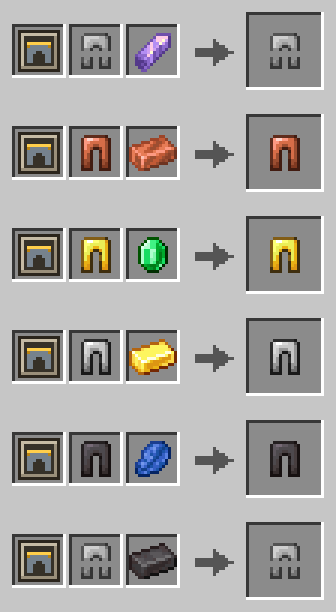 |
|---|---|---|
| Advanced Smithing Table | Apply Back (Smithing Decoration) | Apply Belt (Smithing Decoration) |
 |
 |
 |
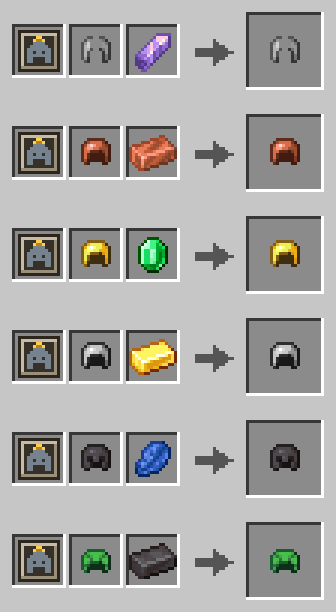
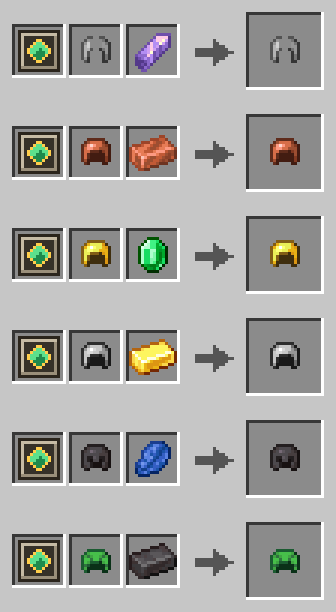
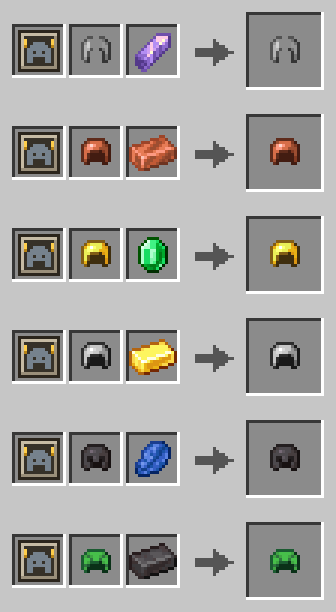
| Apply Brow (Smithing Decoration) | Apply Cloth (Smithing Cloth) | Apply Collar (Smithing Decoration) |
 |
 |
 |
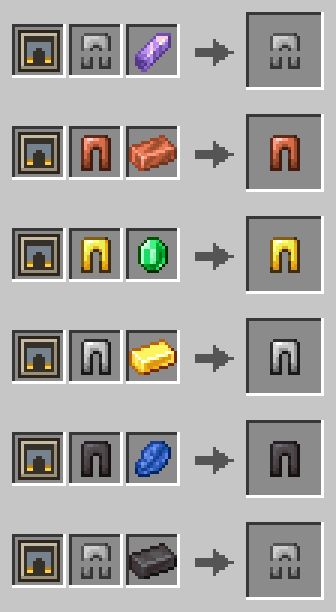
| Apply Crest (Smithing Decoration) | Apply Fitting (Smithing Fitting) | Apply Greaves (Smithing Decoration) |
 |
 |
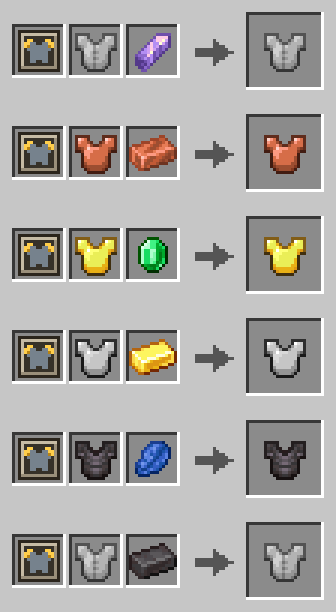 |
| Apply Horns (Smithing Decoration) | Apply Knees (Smithing Decoration) | Apply Pauldrons (Smithing Decoration) |
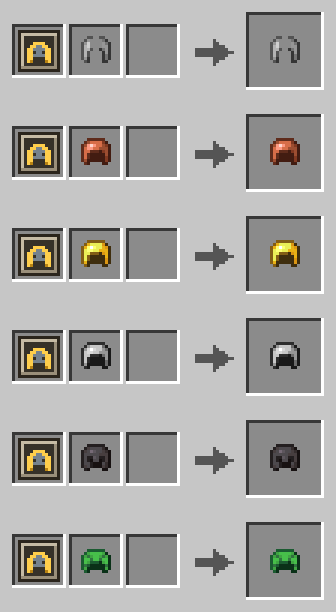 |
 |
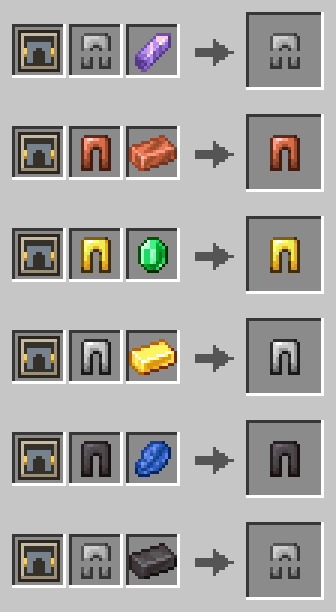 |
| Apply Skin (Smithing Skin) | Apply Spurs (Smithing Decoration) | Apply Tassets (Smithing Decoration) |
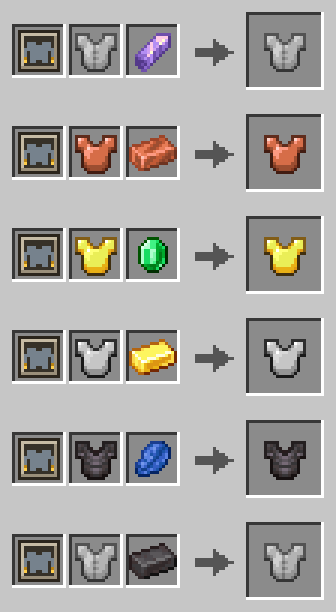 |
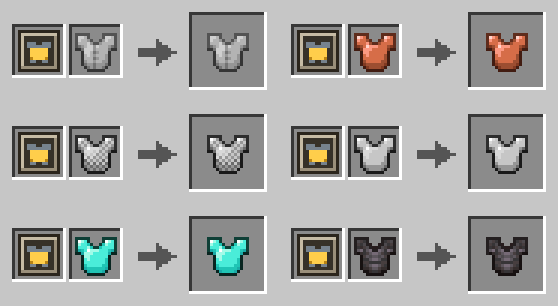 |
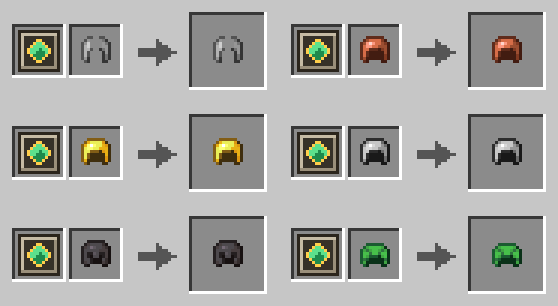 |
| Apply Vambraces (Smithing Decoration) | Clear Cloth (Smithing Cloth) | Clear Fitting (Smithing Fitting) |
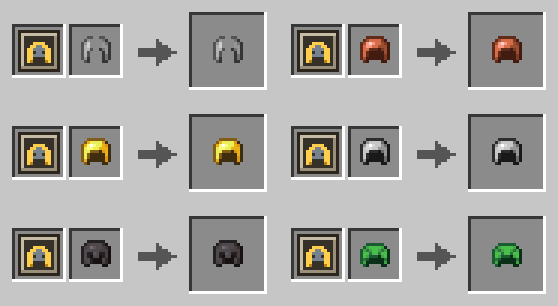 |
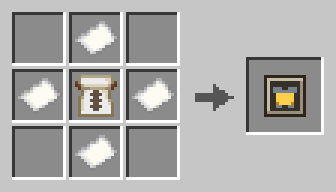 |
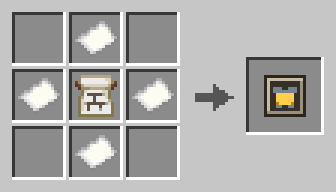 |
| Clear Skin (Smithing Skin) | Cloth Template Tabard | Cloth Template Tunic |
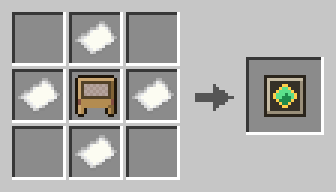 |
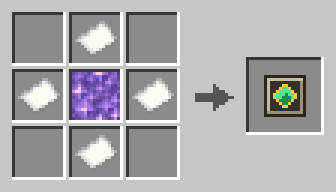 |
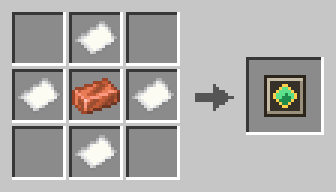 |
| Fitting Template Banner | Fitting Template Gemstone | Fitting Template Guard |
 |
 |
 |
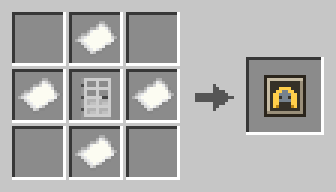
| Fitting Template Inlay | Skin Template Brigandine | Skin Template Chainmail |
 |
 |
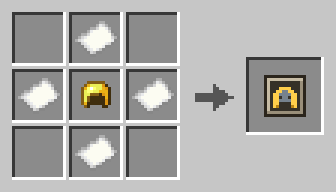 |
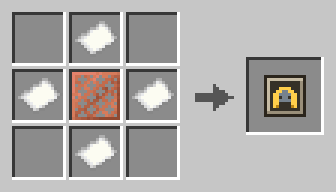
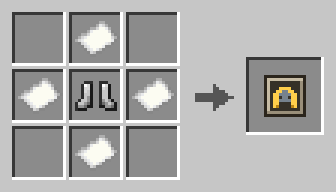
| Skin Template Gambeson | Skin Template Gothic | Skin Template Hoplite |
 |
 |
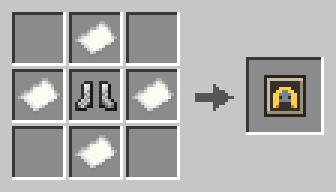 |
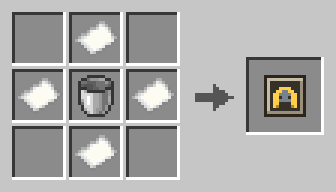
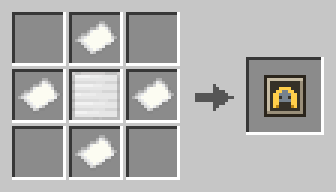
| Skin Template Lamellar | Skin Template Lorica | Skin Template Mail |
 |
 |
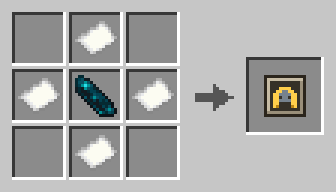 |
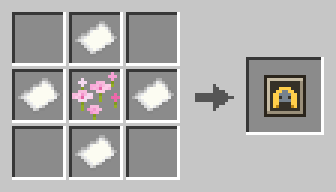
| Skin Template Milanese | Skin Template Plate | Skin Template Runic |
 |
 |
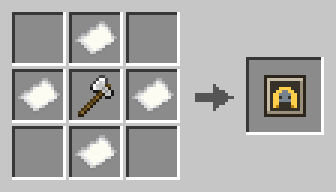 |
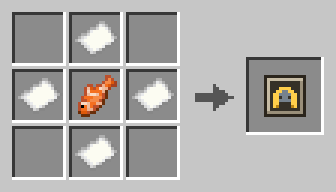
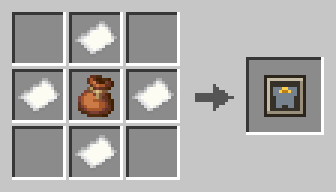
| Skin Template Samurai | Skin Template Scale | Skin Template Varangian |
 |
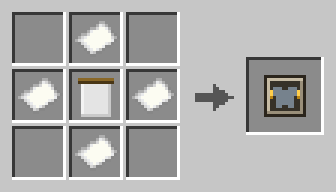 |
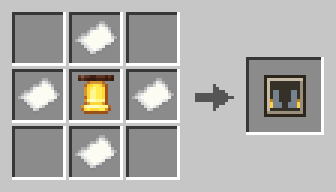 |
| Template Bandolier | Template Banner | Template Bells |
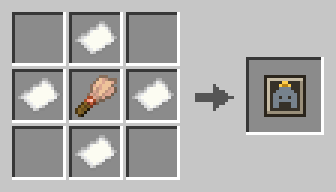 |
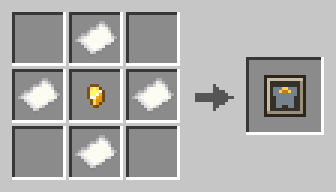 |
 |
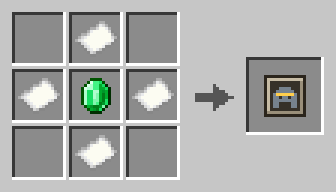
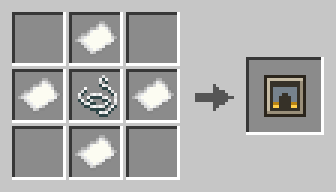
| Template Brush Crest | Template Chain Of Office | Template Circlet |
 |
 |
 |
| Template Coronet | Template Feathering | Template Garters |
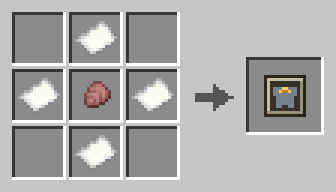 |
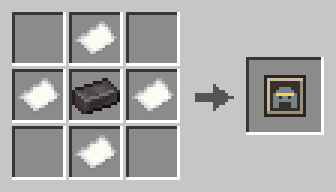 |
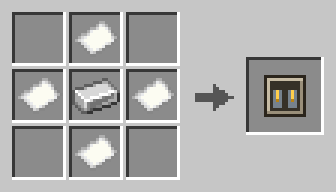 |
| Template Gorget | Template Great Helm | Template Greaves |
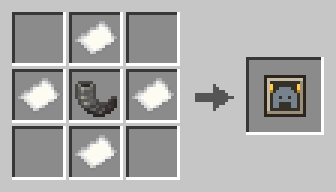 |
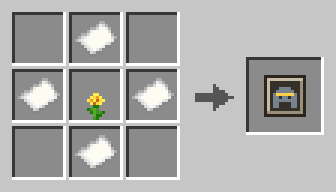 |
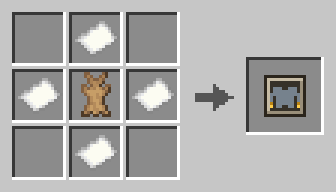 |
| Template Horns | Template Laurel | Template Mittens |
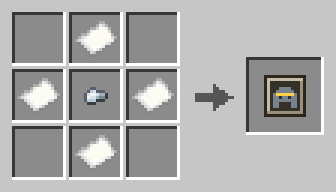 |
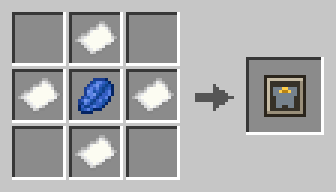 |
 |
| Template Nasal | Template Pendant | Template Pinions |
 |
 |
 |
| Template Poleyns | Template Quiver | Template Sash |
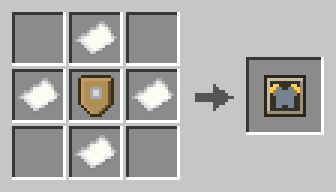 |
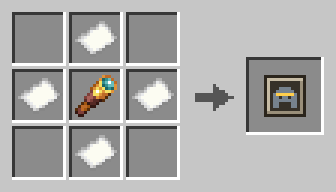 |
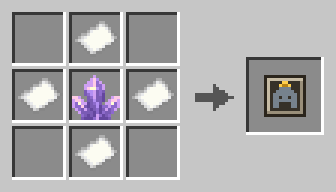 |
| Template Spaulders | Template Spectacle Visor | Template Spire |
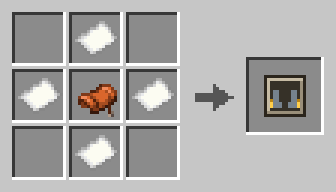 |
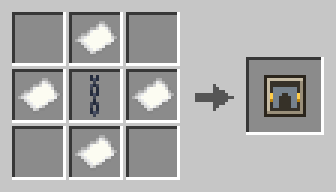 |
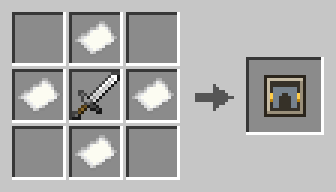 |
| Template Spurs | Template Tassets | Template Thigh Sheath |
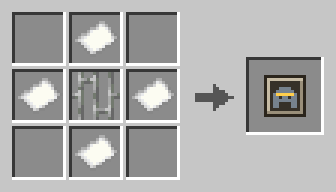 |
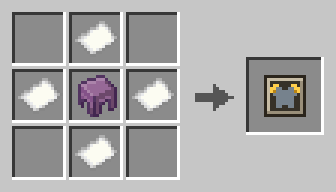 |
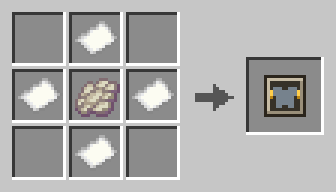 |
| Template Visor | Template Wing Cases | Template Wing Roots |
Dependencies
Required
| Mod | Version | Notes |
|---|---|---|
| Fabric API | — | Dynamic registries, resource reload, render layers |
Incompatibilities
None known. No conflicts have been reported.
Installation
- Install Fabric Loader 0.19.3+ on Minecraft 26.2 (Java 25).
- Drop this mod and Fabric API into
mods/. - Install it on both sides — the client draws the pieces, the server owns their behaviour.
Adding a piece
A piece is two files and a PNG, plus a line in your language file for the name — none of it code, and any namespace will do. Two ways to make them:
- In Blockbench, with the Armor Pieces plugin. It opens a piece on the vanilla player wearing real armor, paints the textures in place, previews any trim material, and writes every file on Save.
- By hand, writing the datapack entry, the geometry and the grayscale master yourself.
The authoring guide covers both, along with fittings, handing a piece out, and giving it behaviour — attributes, mob effects, a dodge, gliding — from the same JSON file.
Working on it
./gradlew build, ./gradlew runClient, ./gradlew runServer.
| Where | What |
|---|---|
decoration/ |
anchors, the datapack registry entry, the item component, the effect hooks |
client/ |
the render layer, the geometry loader and bake cache, the per-material palette, the skin and cloth bakes, the advanced table's screen |
skin/, cloth/ |
the datapack registries behind an armor skin and a cloth, and the components a piece carries them in |
recipe/, item/, registry/, command/ |
smithing, the twelve socket templates and the fitting, skin and cloth templates, the creative tab, /armorpieces stage |
loot/, block/, menu/ |
pieces in loot tables and the set_decoration function; the advanced smithing table and its menu |
tools/ |
Blockbench rigs (bb_rig.py, with the vanilla figure and walk cycle from mc_humanoid.py), .bbmodel ↔ geometry (bb_geo.py), master and mask painting and install (paint_&lt;part&gt;_master.py, fitting_mask.py, sync_decoration_masters.py), a material and fitting preview outside the game (preview_material.py), template and recipe icons, export_pack.py for zipping a pack, trace_geometry.py for measuring a piece against the body, the skin masters and their bake, check and install (skin_sheets.py, bake_skin.py, check_skin.py, sync_skin_masters.py), and the checks a shipped piece and skin pass (check_part.py, check_authoring.py) |
tools/blockbench_plugin/ |
the Blockbench plugin — see the authoring guide |
tools/decoration_masters/ |
the grayscale masters — the source of truth for every piece's art |
The rigs, the /armorpieces stage command and the plugin's Save path are described in the authoring guide; tools/check_authoring.py runs the plugin's round trip over every shipped piece.
Configuration
One file, written for you on first launch: config/armorpieces.json. It is read on the client and by the client alone — every setting in it moves pixels and nothing else, so it never has to match the server's.
| Key | Default | What it does |
|---|---|---|
first_person_parts |
true |
Draws the pieces on your arms — pauldrons and vambraces — on the first-person hand as well as on your body. Vanilla shows a bare sleeve there and no armor at all. They sit close to the camera; false keeps the view clear. |
A change takes effect on the next launch. A key you leave out takes its default and is written back, so a setting added by a later version turns up in the file you already have — and a file that does not parse is left alone and the defaults used, so a typo costs a log line and nothing else.
FAQ
Does a piece replace the armor trim?
No. Armor carries its trim and its pieces at once.
How do I put a gem in the circlet?
Craft a gemstone fitting template (an amethyst block in a ring of paper), then smithing table: template, the decorated helmet, and the gem. Every piece on the armor is offered the item, so one gem fills the stone of each piece that has one — or of the one socket picked, at the advanced smithing table. The same template with the third slot empty takes the gem out again. A guard template does the same for metals, an inlay template for dyes, a banner template for banners. Re-applying a piece at its own socket template keeps what is set in it, so changing a circlet's metal does not cost the gem.
How do I take a piece off?
At the advanced smithing table. Put the armor in one of its four slots, pick the socket's row and click Remove. What was in the piece's fittings goes with it. Picking one of the fitting icons beside the piece takes just that fitting out, and the armor's own row under the sockets holds its trim, its skin and — on a chestplate — its cloth, each taken off the same way.
Can two pieces share a socket?
No — applying a new crest replaces the crest. Several pieces may be available for one socket (horns and helm_wings both fit horns); the choice is the expressive act.
The pieces on my hands are in the way. Can I turn them off?
Yes. Set "first_person_parts": false in config/armorpieces.json and restart the game — the file writes itself on first launch. Only the first-person hand is affected; your pieces are still on your body, and still on everyone else's. It is the mod's only setting, and deliberately so: everything else about a piece is pack data rather than a preference, and nothing in that file changes what an item does, so it never has to match the server's.
Do I need the mod to add pieces?
You need the mod installed, but adding a piece takes no Java — a datapack and a resource pack. Only a brand-new effect type needs code. The authoring guide walks through it.
Bugs and issues
Something broken, something clipping, a piece that sits wrong on a body it should fit — the issue tracker is the place for it. So is a request: a socket, a piece, a skin or a fitting that is not there yet.
No GitHub account, and would rather not make one? The comment section on the CurseForge or Modrinth page reaches me just as well.
For a bug, the three things that make it fixable are your Minecraft and mod versions, the other mods you are running, and logs/latest.log from the run it happened in. A screenshot settles most questions about how something looks on its own.
License
Released under a custom license — see LICENSE.
Use it, play with it, and modify it for yourself: no permission needed, no fee. Redistribution needs written permission first. That covers re-uploading the jar or the pack zips, mirroring them, and bundling the mod in a modpack, server pack or launcher — paid or not — as well as publishing a fork. Linking to an official download page never needs permission.
Ask on the issue tracker; permission is given in writing and covers the distribution it describes.
Every piece in this mod is the same two files and a PNG a pack of your own would write.
Screenshots
Gallery
-
 back.png back.png
 -
 fittings.png fittings.png
 -
 row.png row.png
 -
 sets.png sets.png
 -
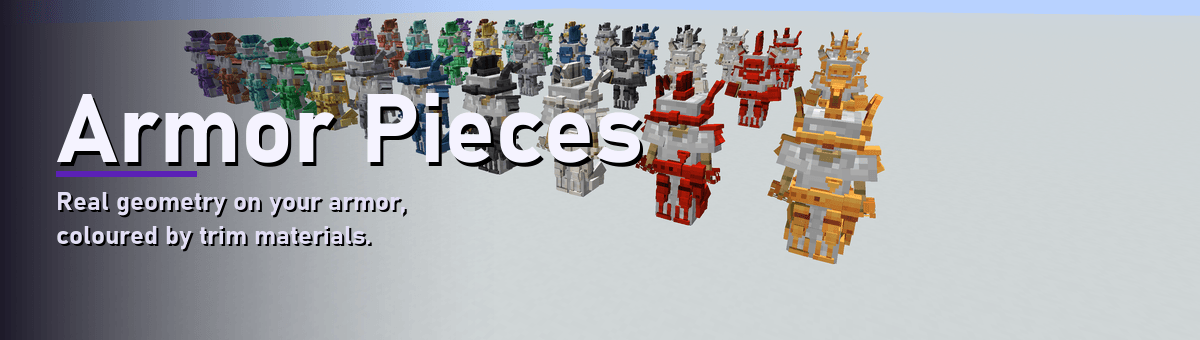 image-attachment_3c3496b4-d141-4e82-8c0b-b47ae0800ba0.png
 -
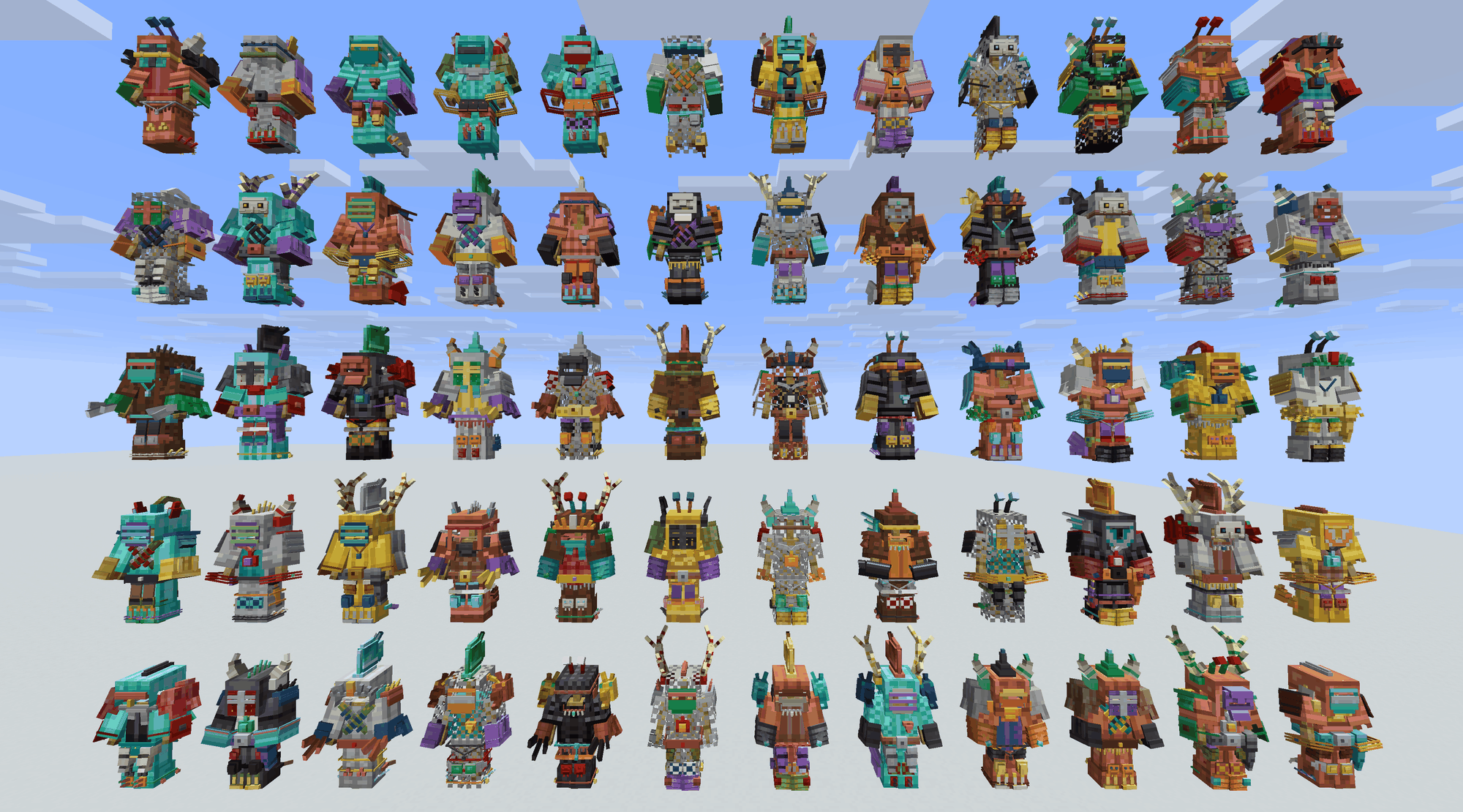 image-attachment_800cc934-993a-4de1-bbff-6ba5496f2b7d.png
 -
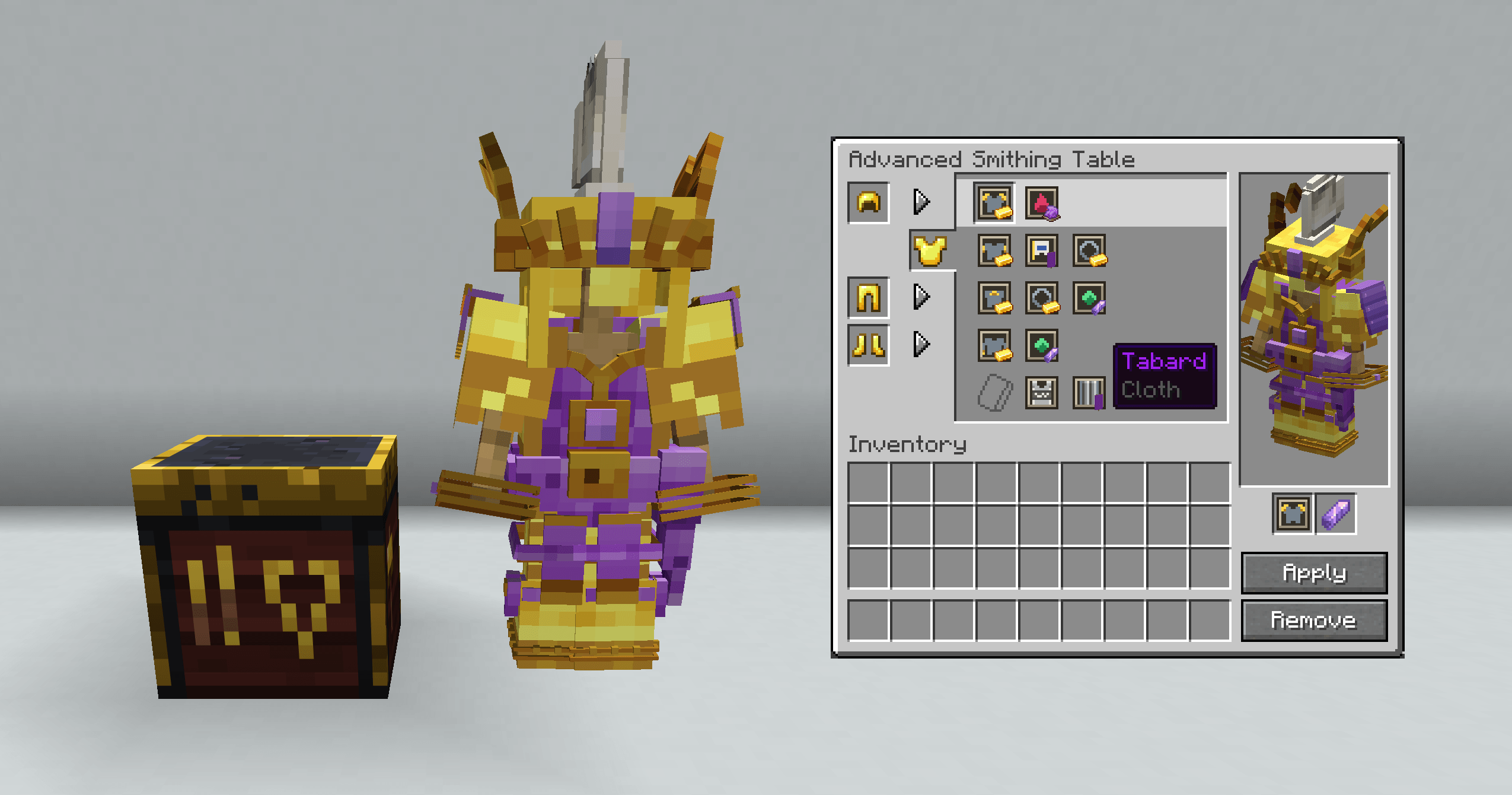 image-attachment_60f32e8b-9dec-46f4-9bce-7e5d4b0af516.png
 -
 image-attachment_517975f5-e766-4013-badd-06d6f5aff252.png
 -
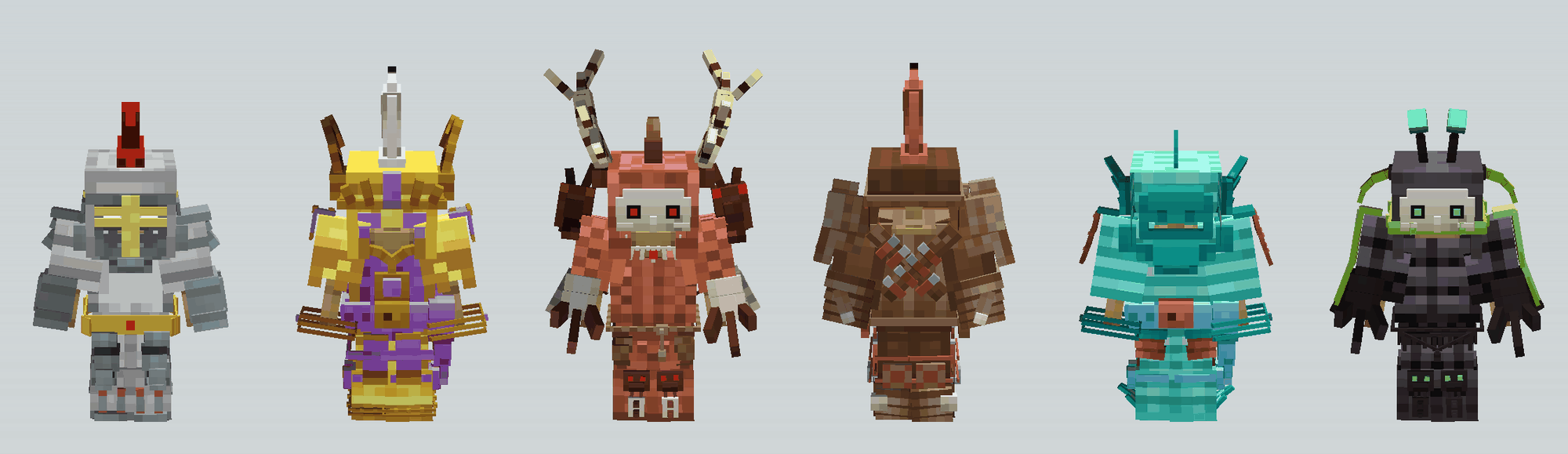 image-attachment_4e000889-026d-4c76-a1c0-026e4d32cb42.png
 -
 image-attachment_be2f1d97-bff2-4d11-a4cd-0a2d23c1bc6b.png
Versions
Files
Relations
Project Relations
More like this
Similar Mods
Suggestions use data such as tags, dependencies, dependents, descriptions, titles, and more to rank how much they overlap with this mod.
On ModDex
Community snapshot
By the numbers
Statistics
Want to reach Minecraft players?
We're looking for a server hosting partner to feature here and other parts of the site. Interested? Send us a message!
Get in touchGet it on
Available Platforms
On ModDex
Community snapshot
By the numbers