
Community listing page, reviews here may not be monitored by the author.
Create:Advanced Frequency Network

No reviews yet
Create: AFN is a Create addon extending wireless redstone management, optimizing frequency editing, enabling wireless messaging and private ticketing, and compatible with many mods. Ideal for large factories and aeronautical machinery.
Community voices
Reviews
No reviews yet. Be the first to review this project!
Get it on
Available Platforms
About
Project Details
For authors
Embed Badge
If you're the author of this project, you can embed a live badge anywhere that supports HTML or Markdown. It updates automatically whenever ratings change.
Use HTML for any page that supports it, or Markdown for README files and Markdown-based descriptions.
Identifiers
Platform IDs
Resources
External Links
About
Description
Create: Advanced Frequency Network (AFN)
Video tutorials (Bilibili) · AFN WIKI
About the Mod
Create: Advanced Frequency Network (AFN) is an add-on mod for Create's wireless redstone signals, offering more flexible editing, matching, and management of wireless signals.
- The core item, Frequency Plate, stores a meaningful address, allowing you to organize wireless redstone networks layer by layer (e.g., by area, workshop, production line, or device). It supports Chinese characters, digits, and English for frequency definitions, and is compatible with all Create add-ons that use wireless signals.
- Aliases, wildcards, character sets, layer exclusions, and OR/AND combination rules cover everything from a single machine to an entire factory area.
- Frequency plates placed in Create's dual-frequency slots participate in the wireless network, with order‑independent matching.
- AFN not only solves naming but also introduces authentication for multiplayer environments:
- Authenticated frequency plates have a clear owner and access control lists (ACL). You can grant other players read or write permissions individually, and optionally lock associated devices.
- Protected frequencies are not exposed to unauthorized players, making them ideal for public transport, team bases, pay‑per‑use facilities, and redstone systems requiring hierarchical management.
- Around the authenticated network, AFN adds a playable ticketing and identity system:
- Ticket Machines mass‑issue tickets with titles and issuers; Ticket Validators verify, collect, and output redstone pulses.
- Authenticated Card Readers and Identity Pedestals are used for access control, gates, mechanisms, and member facilities.
- These devices can output plain redstone, broadcast AFN wireless signals, and support hoppers, Create chutes, and other automated logistics.
- Brings wireless information transmission to Create – beyond transmitting discrete 0‑15 redstone strengths, it also transmits text, real numbers, arrays, Booleans, and Synaxis‑mappable structured data.
- Compatible with Control Engineering, Aeronautics, and CC:Tweaked, with adaptations for Aeronautics’ physicalised devices.
Frequency Network
- Organise large wireless networks with hierarchical frequencies like
factory.production.line_01, supporting English, digits, and Chinese characters, using dots (.) as separators. - A plain frequency plate stores one primary frequency and up to 5 aliases. Aliases can use OR / AND logic.
- Supports
?(single‑character wildcard),*(cross‑layer wildcard),[A-C]/[0-9]character sets, and local exclusions that apply only to the immediately preceding layer. - The History Library organises literal addresses by hierarchy; typing one character recommends completions for the current layer.
- Authenticated frequency plates provide Owner, READ/WRITE ACL, and an optional installation lock. Unauthorised players cannot see hidden primary frequencies.
- When wearing Create's Engineer Goggles, players can view frequency labels in the world that they have read permission for.
Example:
1.2.[1-9].123[4-8].[2-4].23
Each ! excludes only the shorthand item from the immediate preceding layer, so the above ultimately matches only 1.2.9.4. Character sets are case‑sensitive; [A-Za-z0-9] can combine uppercase, lowercase and digit ranges.
Wireless Information Transmission
Vanilla Create provides wireless signal transmission but is limited to 0‑15 discrete redstone strengths, unable to carry richer semantics such as text, real numbers, arrays, or Booleans. This mod introduces the concept of channels. A channel is a combination of information and signal – signals are a subset implementation of a channel. When a channel is activated, it can attach an extra piece of information to the receiver along with the signal.
The mod's items – Mailbox, Directional Mailbox, Modulated Mailbox, Bridge, and Large Bridge – are channel carriers that enable remote information transmission.
Ticketing & Access Control
- Ticket Machines use authenticated plates to mass‑issue or unbind tickets. Tickets of the same batch stack to 64.
- Tickets display a title and issuer; the required primary frequency does not appear in the item tooltip.
- Ticket Validators first verify the frequency and ACL, then store the ticket in a 27‑slot ticket repository. If the repository is full, the ticket is not consumed and access is denied. The repository can interact with hoppers and Create chutes.
- Ticket Validators, Authenticated Card Readers, and Identity Pedestals can output a 20‑tick redstone pulse and can send an unordered dual‑frequency signal consisting of a plain frequency and an authenticated identity.
- Status lights remain dark in standby, turn green on success, and red on failure.
CC:Tweaked Compatibility
Adjacent computers or wired networks can connect to the afn_bridge peripheral, providing all bridge capabilities, including: sending/receiving signals and information, creating/deleting channels, controlling screen displays, etc. See the API documentation for details.
- Without an authenticated plate, the bridge accepts all non‑negative ComputerIDs.
- With an authenticated plate installed, it checks the ComputerID whitelist on that plate; an empty list rejects all computers.
- The three capability switches – read, activate, and configure – are always independent.
Synaxis Compatibility
Each channel on a bridge can independently open three types of stable ports:
- Activation Input: controls only the 0‑15 activation strength, supports Real / Boolean.
- Value Input: writes the channel value without activating.
- Value Output: publishes the channel value without activating; outputs the chosen Schema's safe default if conversion fails.
Value ports support Real, Boolean, Vec3, and Quaternion. Synaxis requires that the schemas on both ends of a connection match exactly, so you must select the port format before wiring. Short‑array input overwrites the front and keeps the old tail; long‑array input extends the array. Output truncates excess items and fills missing ones; missing w in a Quaternion is filled with 1.
Long‑Range Signals
Channel devices may enable unlimited‑distance, infinite‑signal configuration: no chunk loading is required – signals are statically hosted by the server. There is only a tiny performance cost during transmission/reception and the necessary chunk loading (for Aeronautics physicalised devices, the chunks containing the transmitting and receiving physical devices are dynamically loaded). Chunks at both ends of a long‑range signal and those containing physicalised devices are not unloaded.
Create: Improve Compatibility
Requires version 1.4.0+. Older versions are compatible but the features will not take effect.
Screenshots
Gallery
-
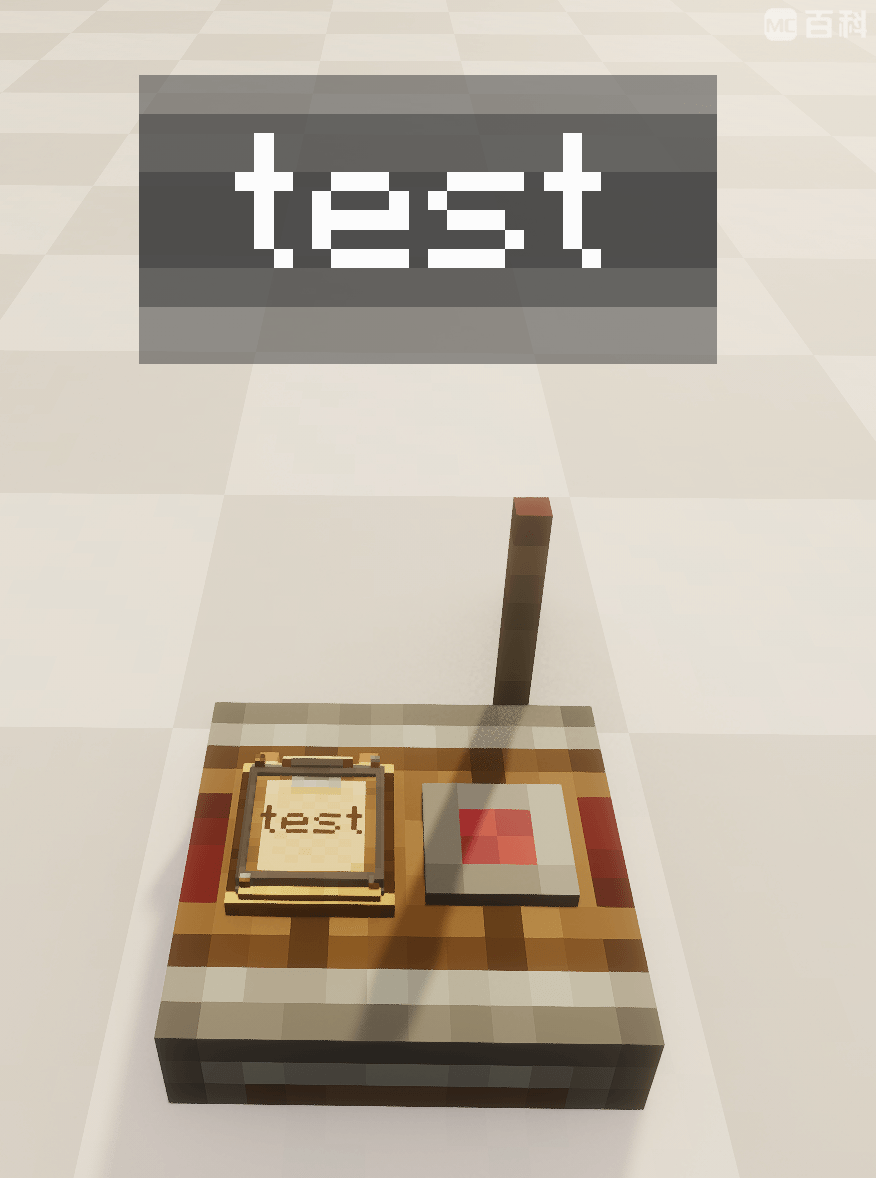 Frequency Band Panel Frequency Band Panel
 -
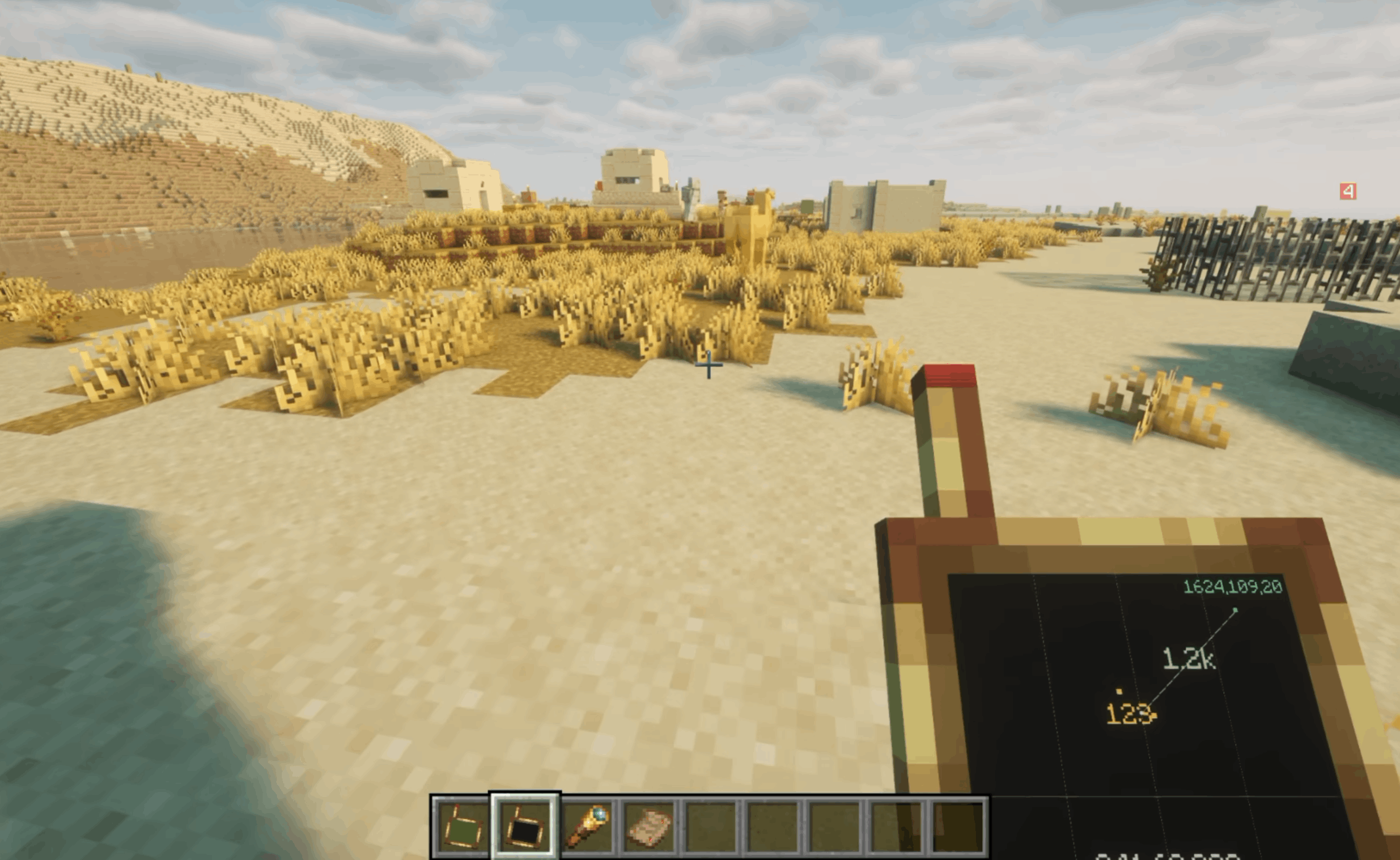 c32a9cf0-fe99-4e3d-bda5-a8da854435bc.png c32a9cf0-fe99-4e3d-bda5-a8da854435bc.png
 -
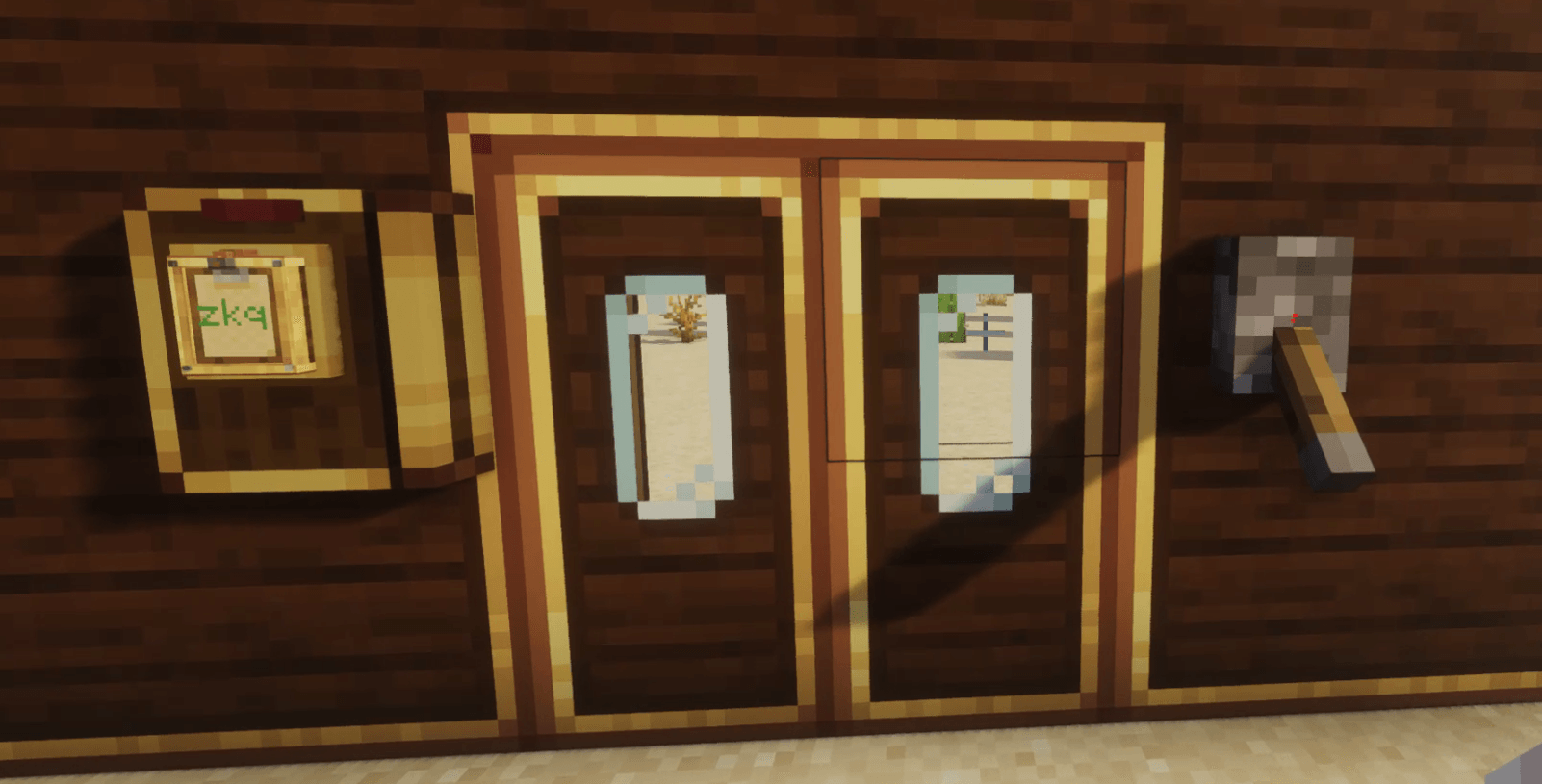 éé¨.png éé¨.png
 -
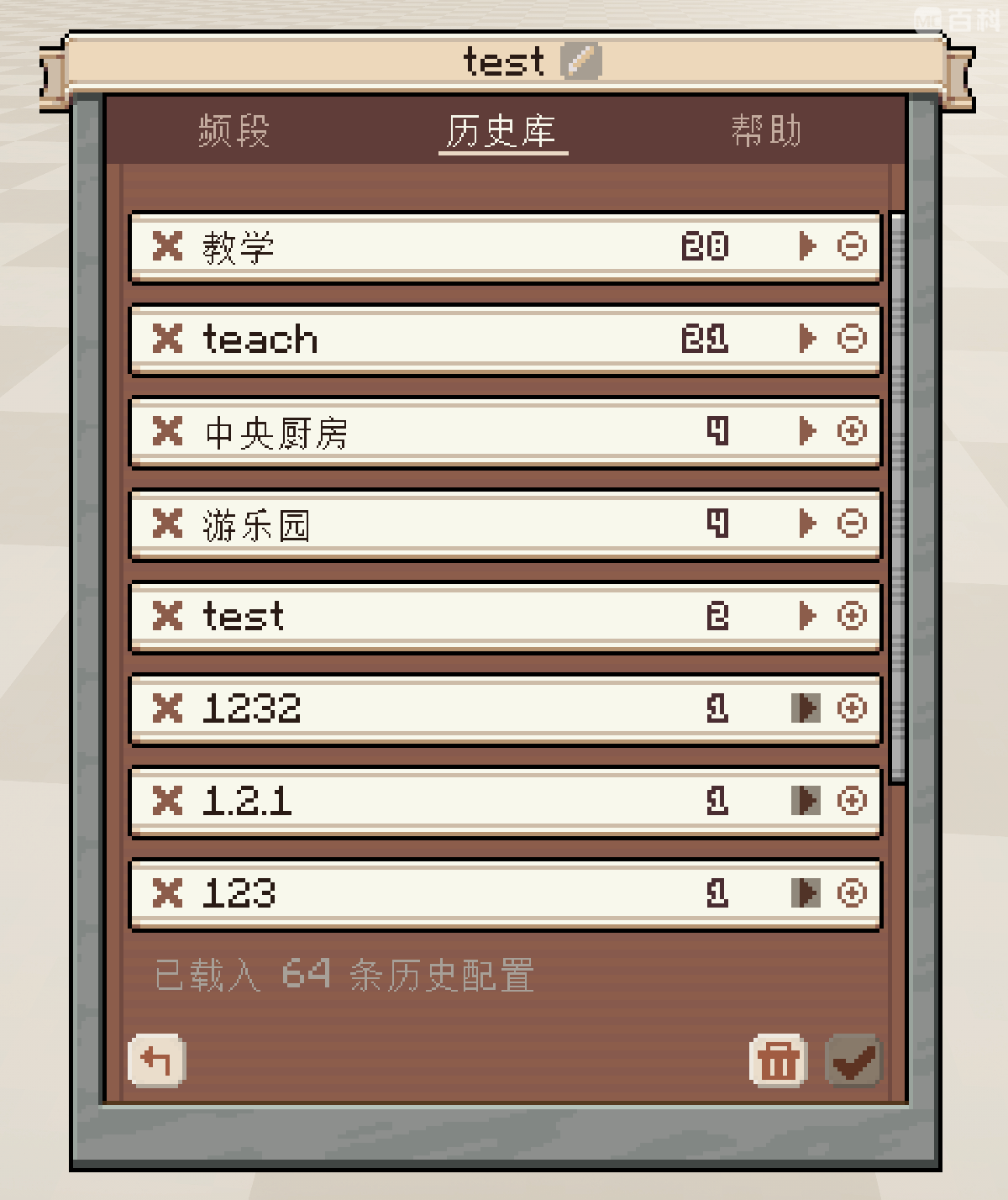 Frequency History Library Frequency History Library
 -
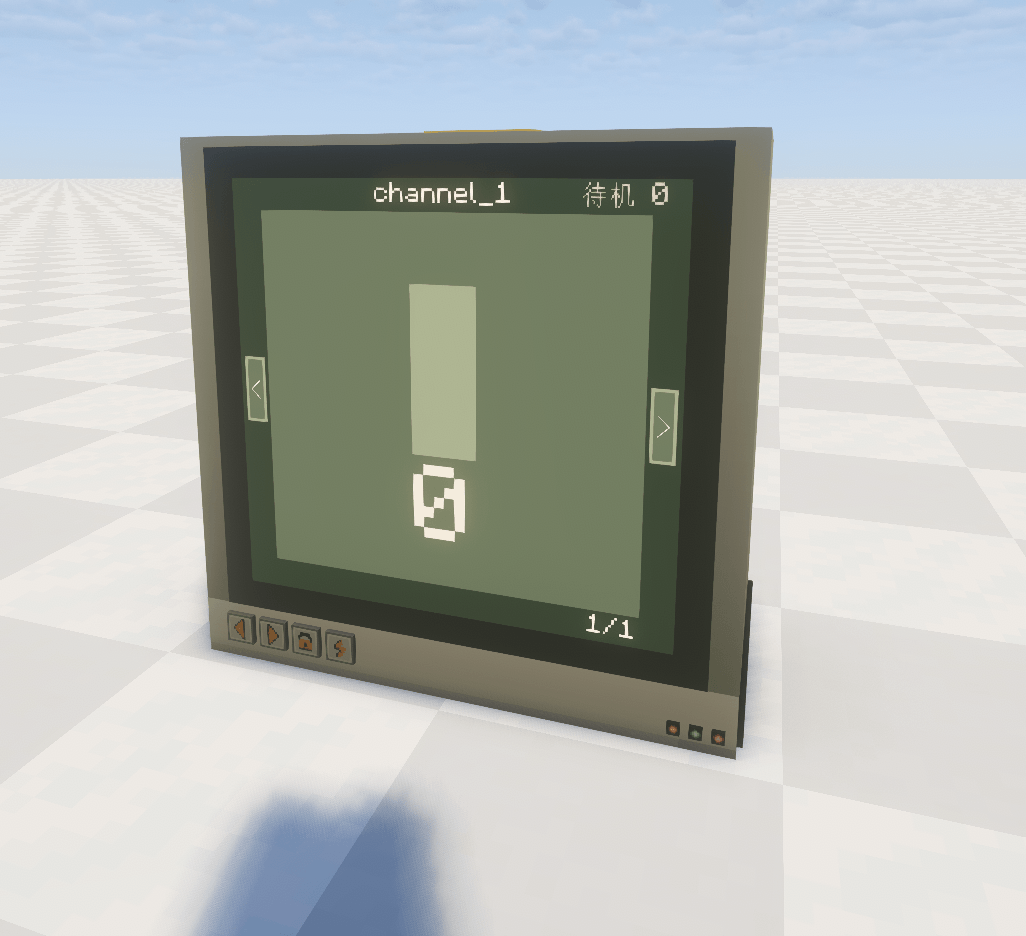 Bridge Bridge
 -
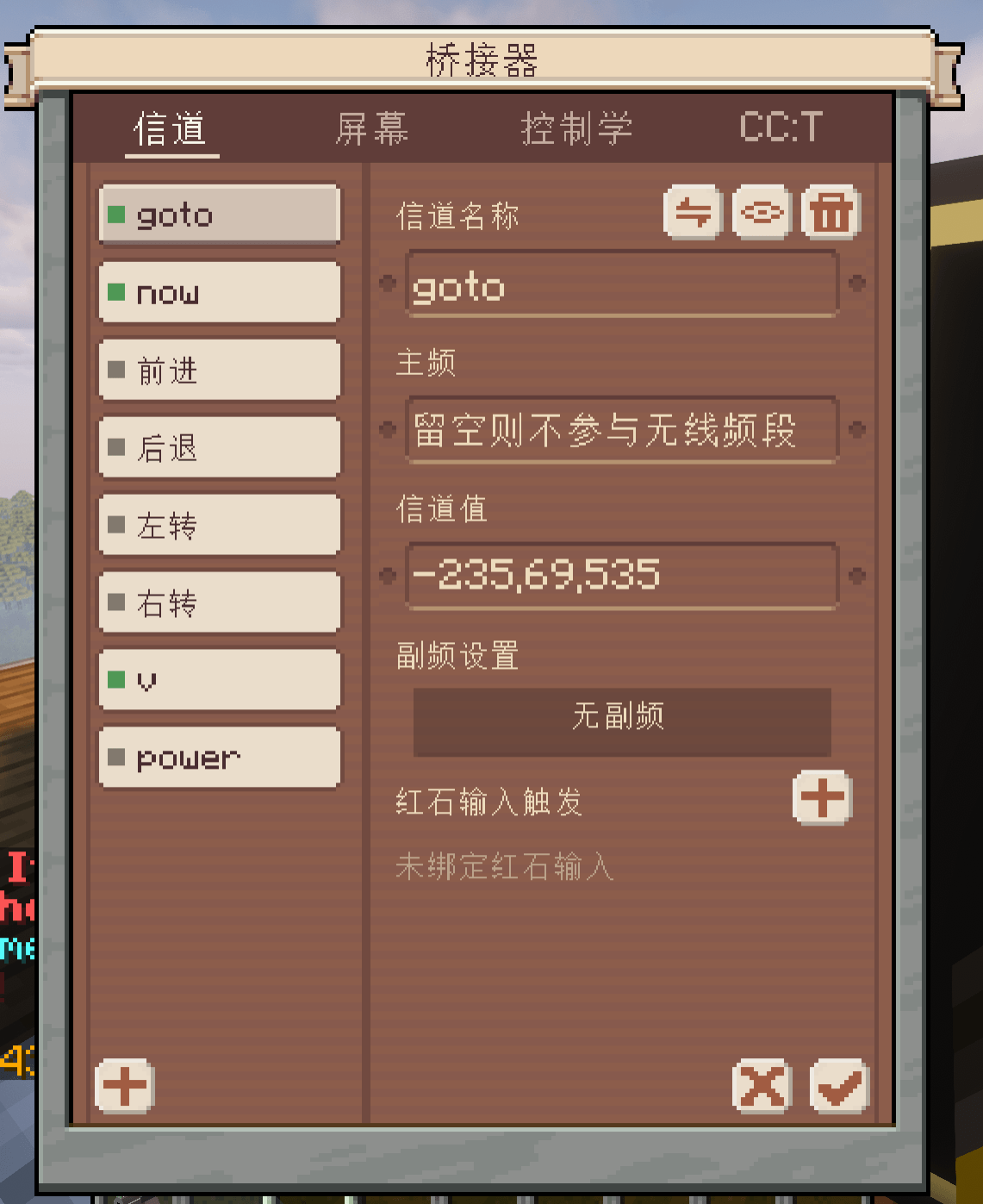 Bridge GUI Bridge GUI
 -
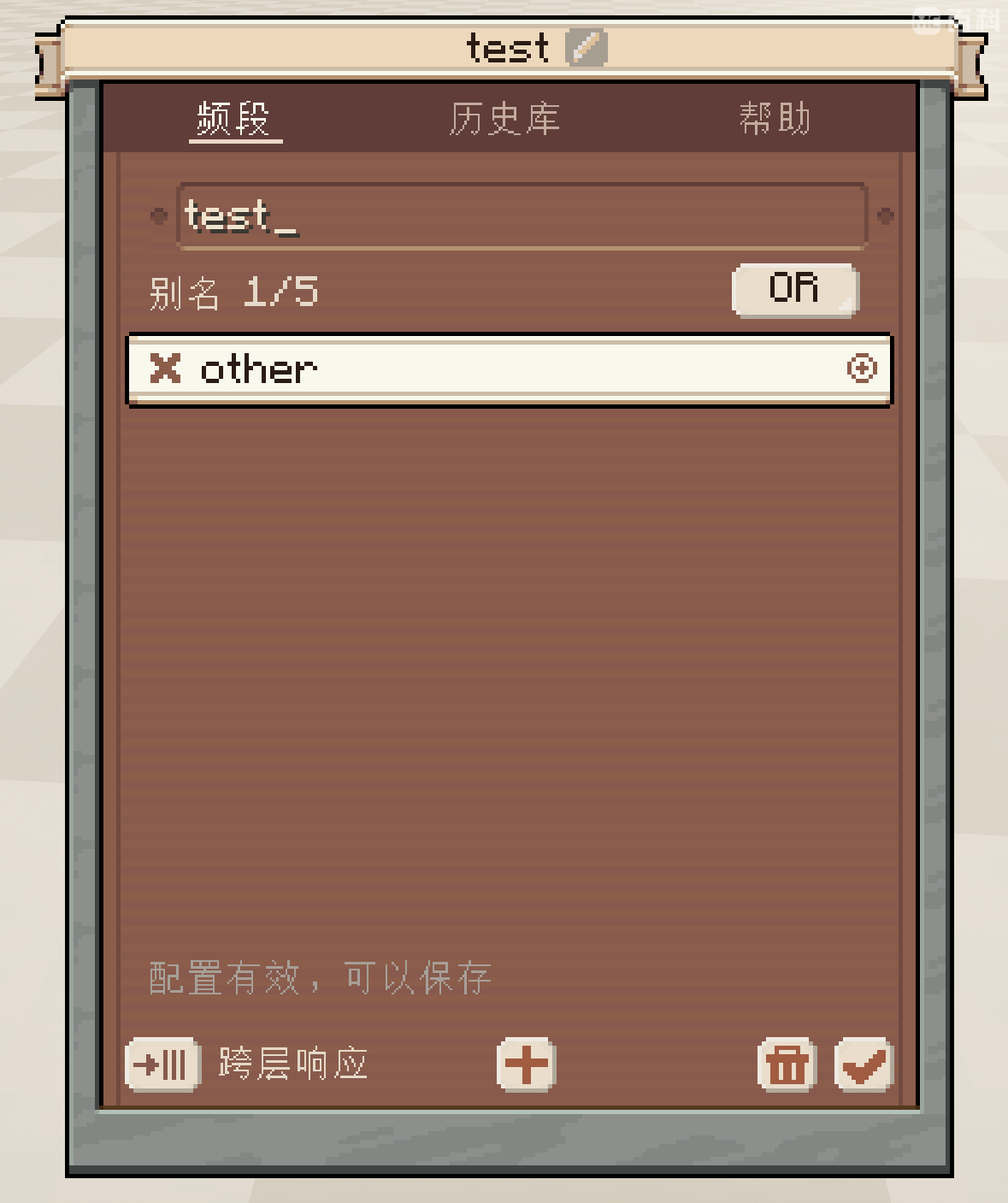 Edit Frequency Edit Frequency
 -
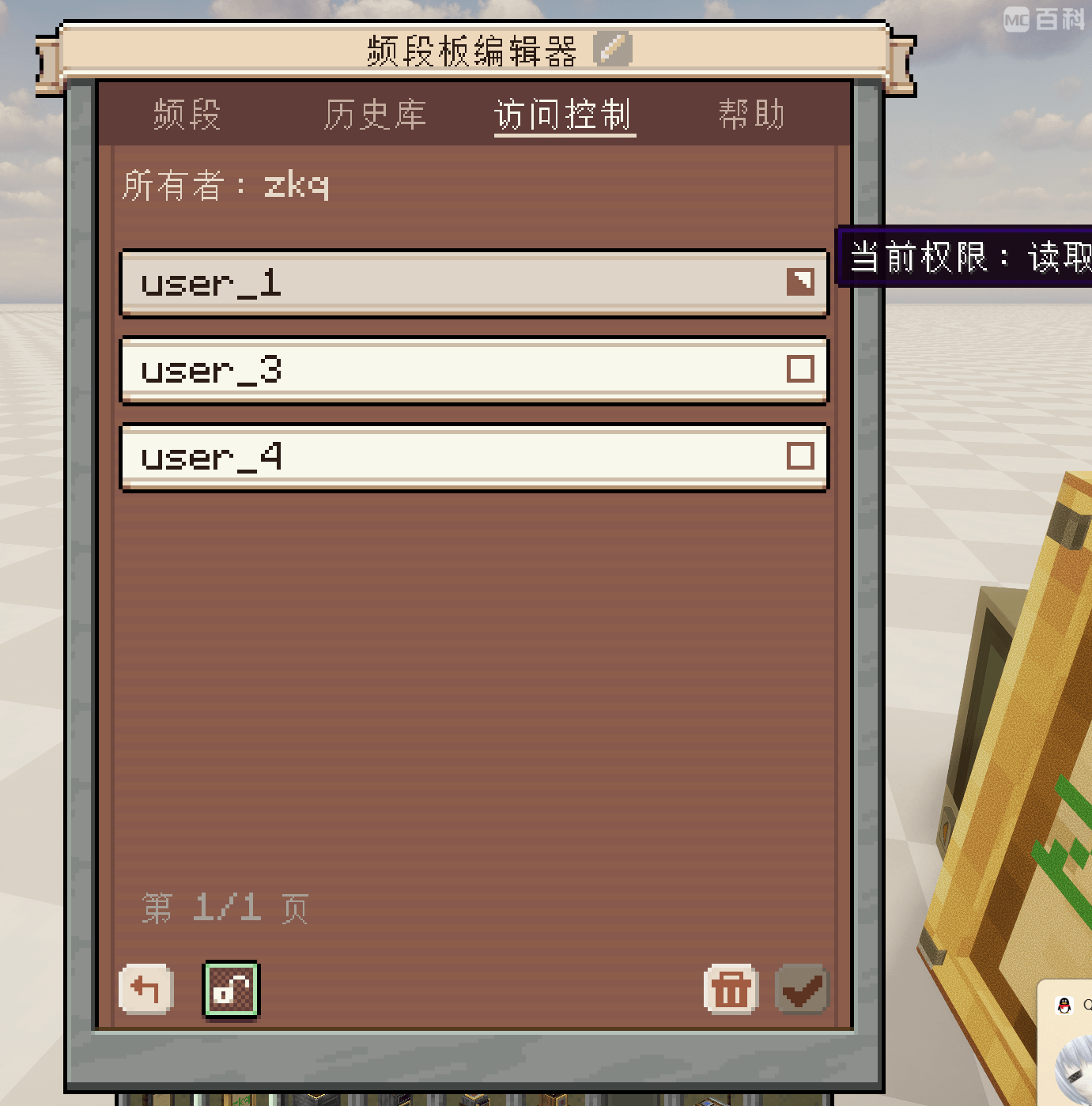 Permission Control Permission Control
Versions
Files
Relations
Project Relations
More like this
Similar Mods
Suggestions use data such as tags, dependencies, dependents, descriptions, titles, and more to rank how much they overlap with this mod.
- fixed tweaker controller
- Create: Advanced Crafting
- Create: Advanced Logistics
- Create Advanced Horses
- Create: Advanced Optimization
- Create: Advanced Gearbox
- Create:Advanced Schematic Cannon
- Create Advanced Schedules
- Java Music Control
- N_lib
- Create: Movable Tracks
- Create Big Cannons: Advanced Technologies
On ModDex
Community snapshot
By the numbers
Statistics
Want to reach Minecraft players?
We're looking for a server hosting partner to feature here and other parts of the site. Interested? Send us a message!
Get in touchGet it on
Available Platforms
On ModDex
Community snapshot
By the numbers
Statistics
Resources