
Community listing page, reviews here may not be monitored by the author.
Project Resonance for MineColonies

No reviews yet
A blueprint pack aimed to restoring the Ancient City using MineColonies
Community voices
Reviews
No reviews yet. Be the first to review this project!
Get it on
Available Platforms
About
Project Details
For authors
Embed Badge
If you're the author of this project, you can embed a live badge anywhere that supports HTML or Markdown. It updates automatically whenever ratings change.
Use HTML for any page that supports it, or Markdown for README files and Markdown-based descriptions.
Identifiers
Platform IDs
Resources
External Links
About
Description
Project Resonance – Ancient City Blueprints
Be aware that the no-book jar has no book - but is just the blueprints.
Latest update 1.5.4.: New Guardhouse Building Added!
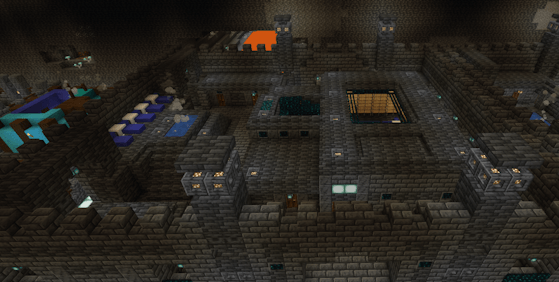
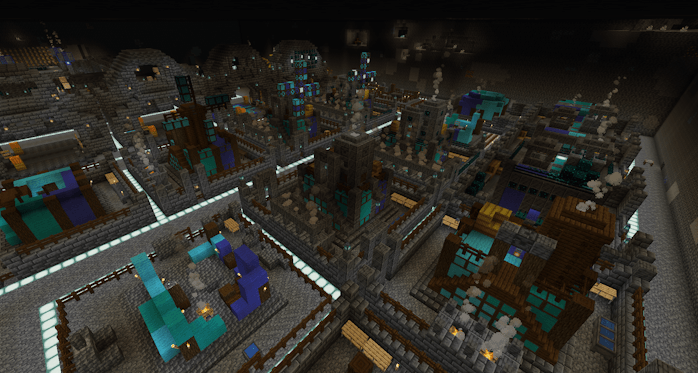
Project Resonance is a MineColonies blueprint pack centered on reclaiming the Ancient City and uncovering the story of a civilization that listened too deeply.
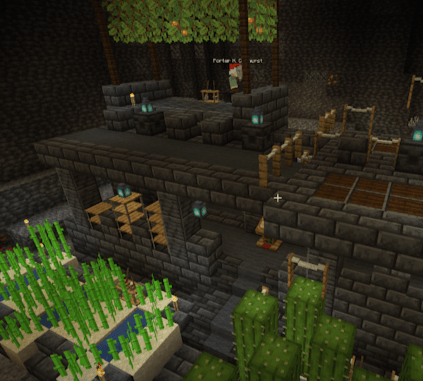
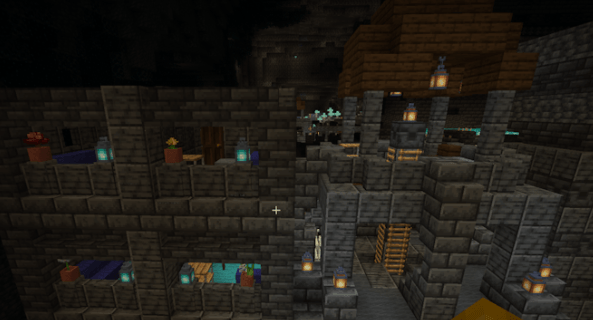
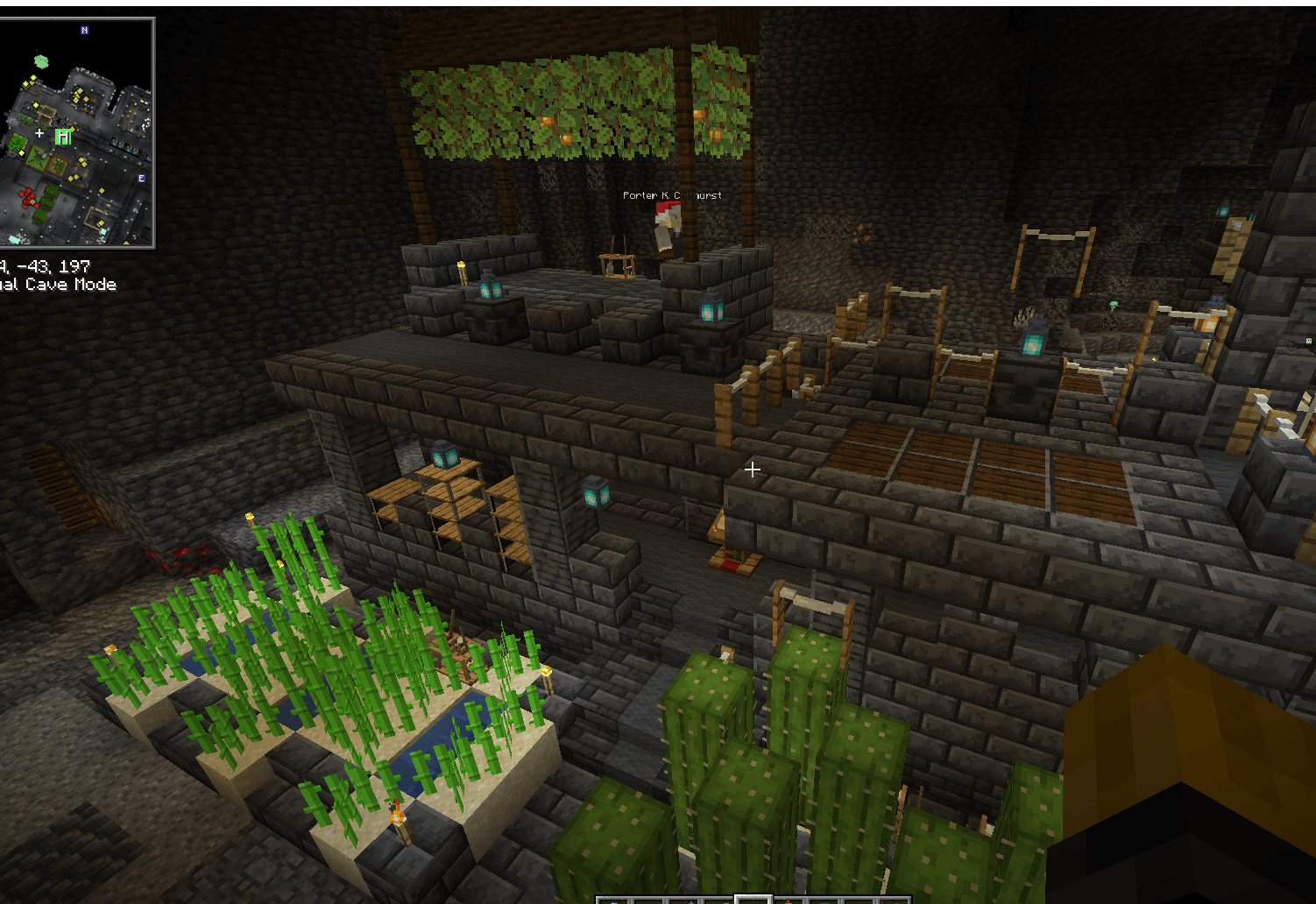
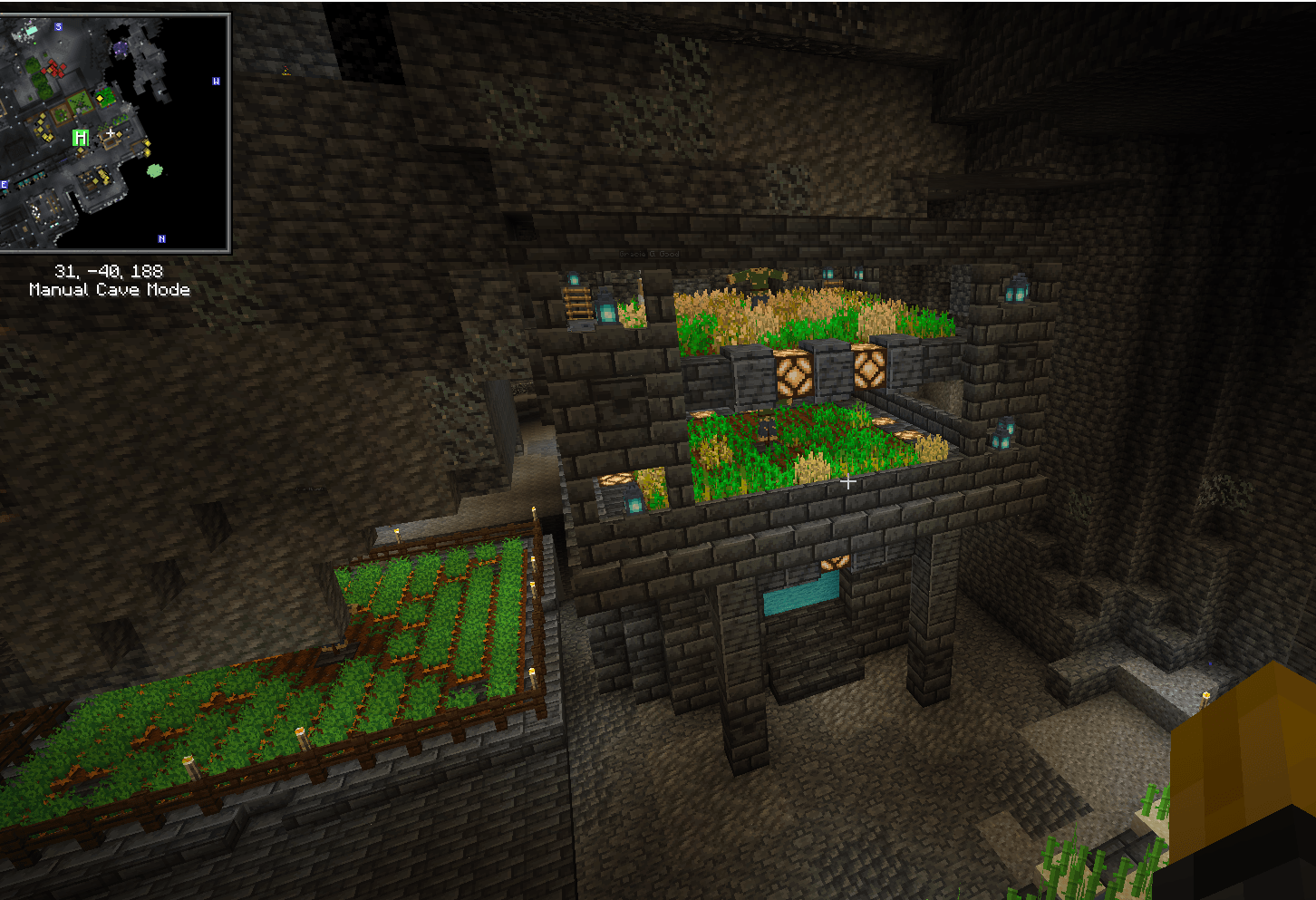
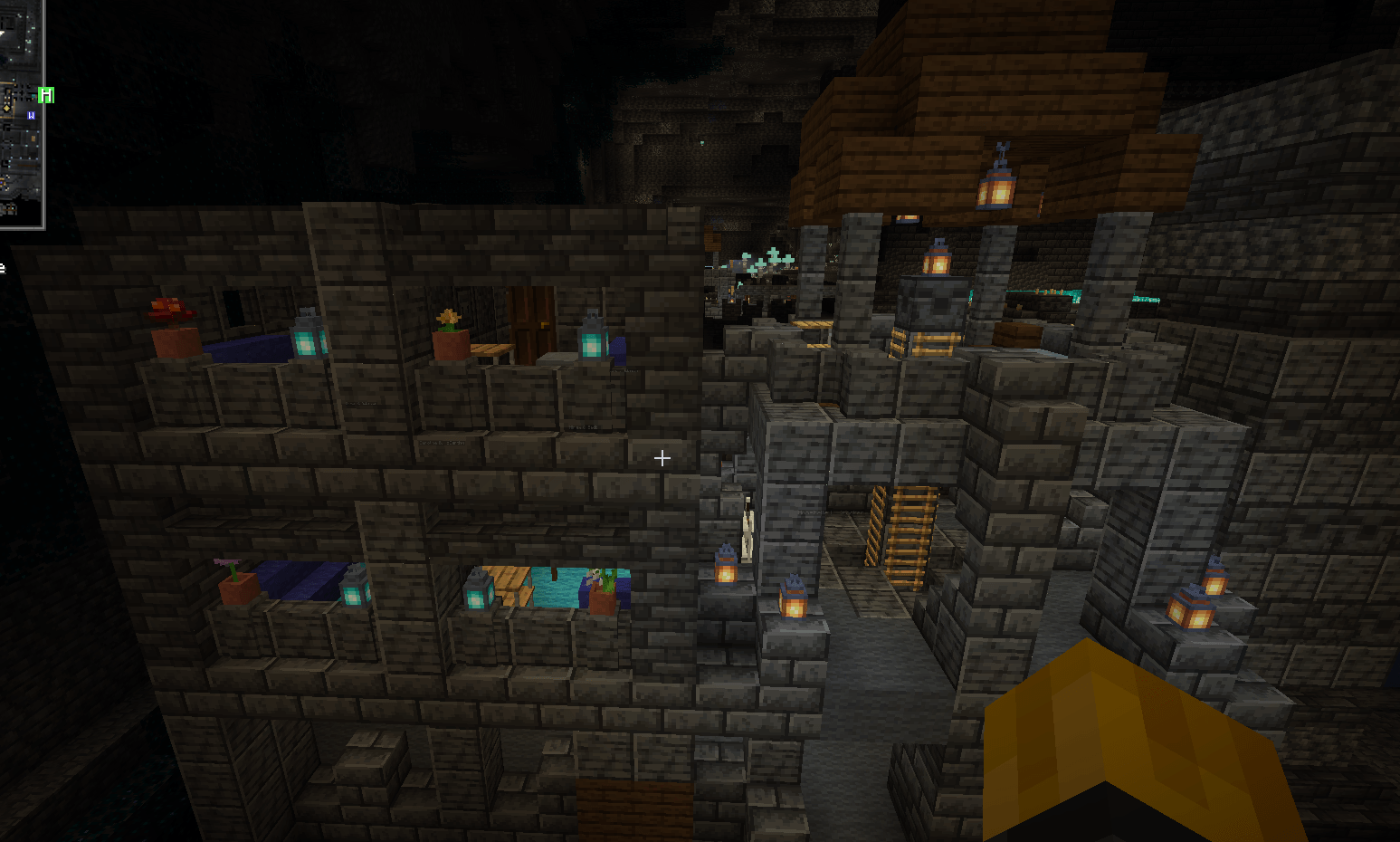
The vast halls of the Deep Dark are transformed into residential districts, guard towers, farms, plantations, and infrastructure, all built directly into the original ruins. Corridors become homes. Intersections become watch posts. Forgotten chambers grow food again.
Getting Started
1. Locate an Ancient City
Mountainous biomes have a significantly higher chance of generating Ancient Cities.
Tools like Xaero’s World Map, Xaero’s Minimap, or Nature’s Compass can greatly speed up the search.
Tips:
- Enable cave mode on your minimap
- Search around Y-50
- Increasing render distance helps reveal large underground structures faster
2. Clear the Sculk — Carefully
Begin by clearing sculk veins and shriekers without triggering the Wardens.
You may choose to:
- Secure a small area first, or
- Fully cleanse the city before building
Both approaches are valid — choose your own level of risk.
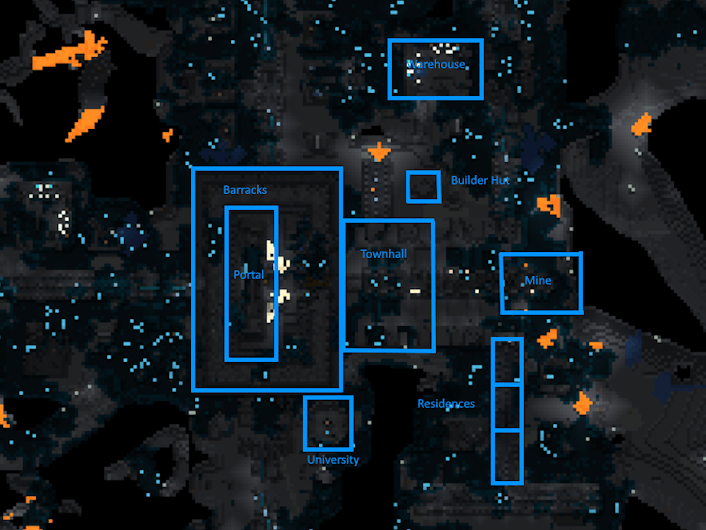
3. Start at the Central Access Tunnels
The recommended starting area is near the main tunnel with pillar structures leading toward the city center.
Many early-game buildings are located here, including:
- Town Hall
- Mine
This area provides the smoothest early progression.
4. Evaluate the Ruin Before Committing
Not every Ancient City is ideal for rebuilding.
Before committing long-term, check whether the ruin supports:
- Warehouse
- University
- Restaurant / Tavern
If key structures are missing or poorly placed, consider locating a different Ancient City for a better overall experience.
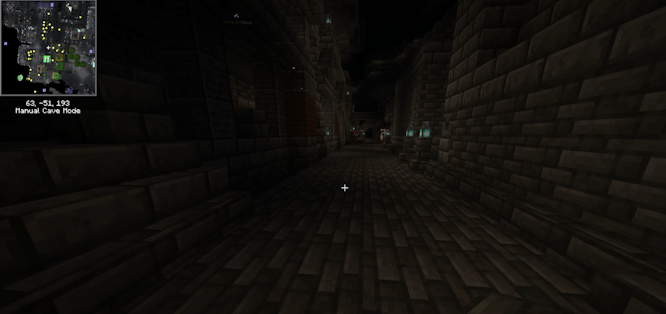
5. Understand Ruin Types & Building Placement
Not all buildings require the same amount of intact ruins.
The Town Hall uses multiple pillar structures and connected hallways
Most other buildings rely on smaller, localized ruins
If a specific ruin appears to be missing:
Look for highly decrepit remnants — some ruins consist of only a few remaining blocks
These fragments are still valid foundations for reconstruction
Alternatively, you may:
Clear a duplicate ruin and rebuild a different structure in its place
Be aware that this approach is more resource-intensive, as you lose the advantage of blocks already pre-placed by the ruined variant.
Progressive Restoration
Each structure evolves through five narrative-driven levels:
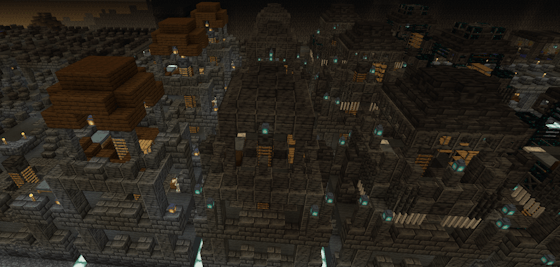
Level 1 – Ruin
Broken stone, cracked bricks, fences, torches, and bare essentials — barely functional, but survivable.
Level 2 – Repair
Structural damage removed, walls sealed, stability restored.
Level 3 – Restoration
Roofs, decoration, full functionality, and light use of Domum Ornamentum blocks.
Level 4 – Prosperity
Heavy decoration, architectural detail, and carefully placed rare blocks.
Level 5 – Resonant Decay
Sculk-integrated designs and very rare blocks — not excessive, but deliberate.
This stage represents the city’s fall, where sculk was once used as a regenerative material before it seeped into the foundations, multiplying with every echo.
Lore Embedded in the City
Lore is not optional flavor — it is built into the structures themselves.
Many buildings can contain lecterns with written books, revealing fragments of the city’s history as you upgrade:
Why the city was built
How sculk was first discovered and used
How progress turned into obsession
How the city ultimately fell
As the colony grows, new fragments appear — written by scholars, builders, guards, children, and leaders who once walked these halls.
Your choices determine whether you repeat their mistakes or carve a more sustainable future from the same stone.
Living Infrastructure
The city sustains itself through:
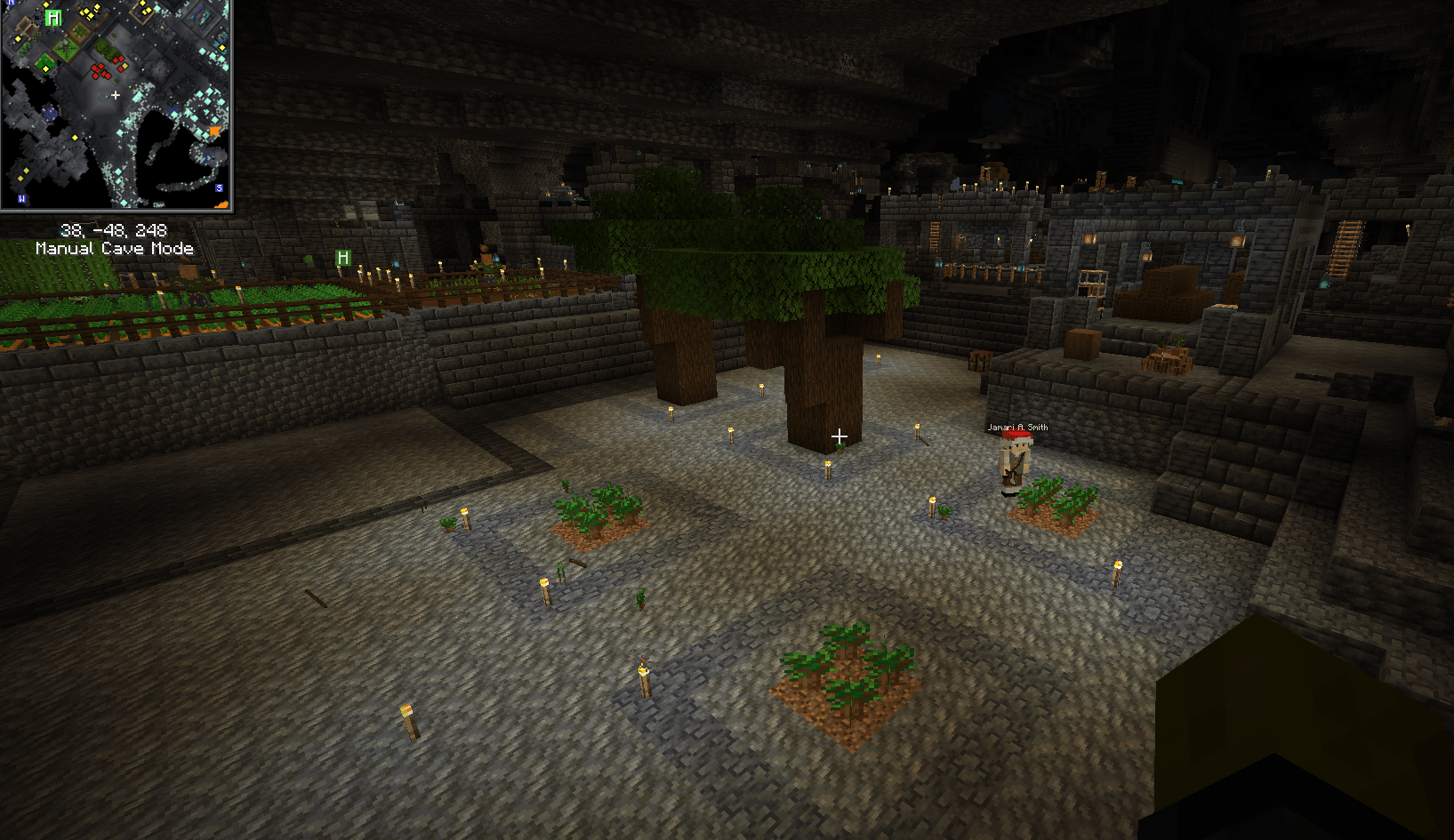
Underground farms and plantations
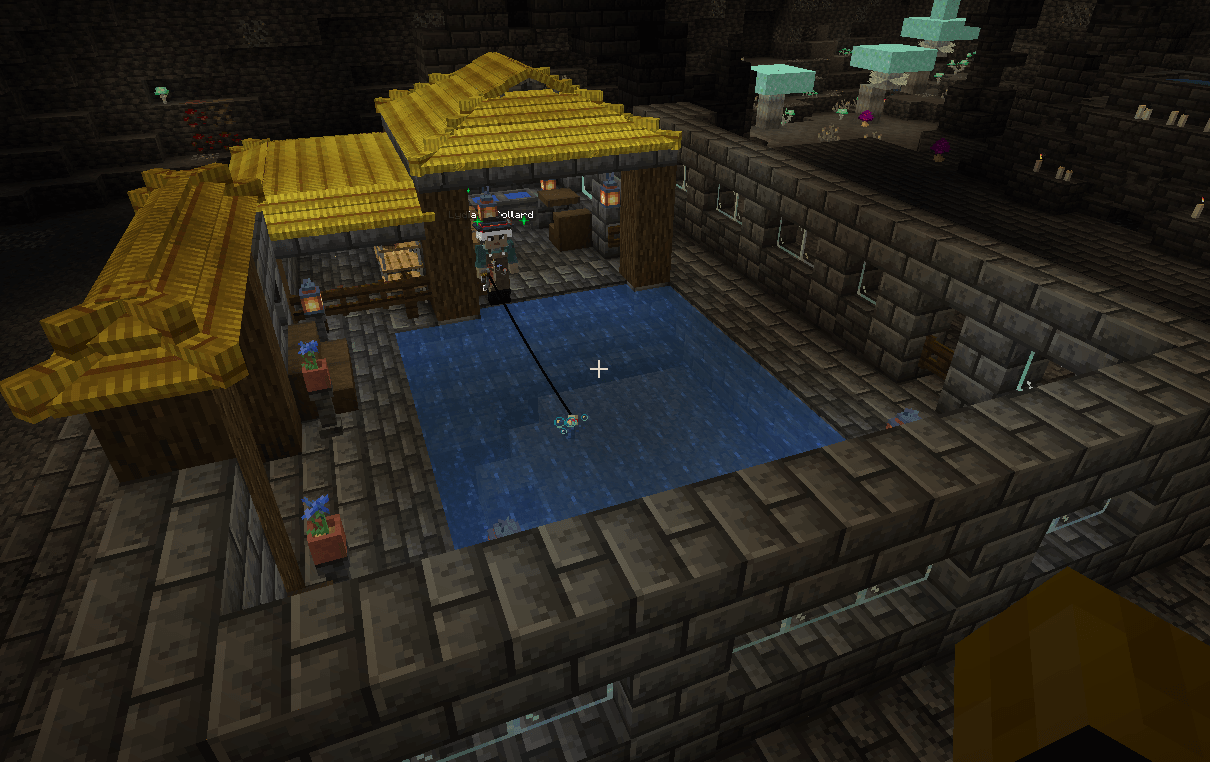
Vertical agriculture and water-integrated growth
Practical layouts adapted to cavern life
Everything is designed to feel grown into the ruins, not placed on top of them.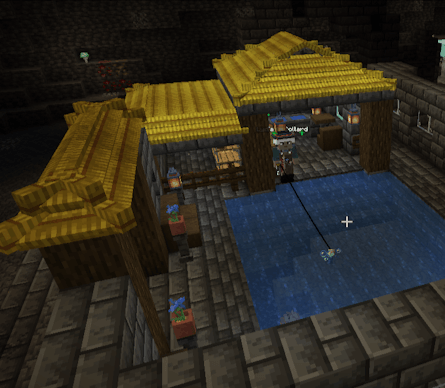
Newly added 1.4:
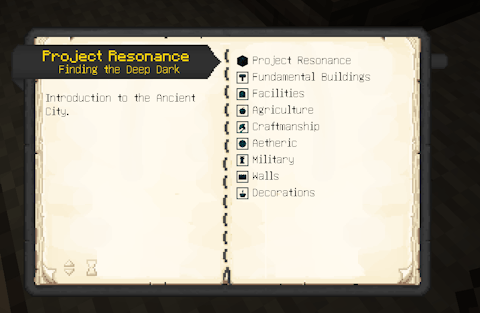
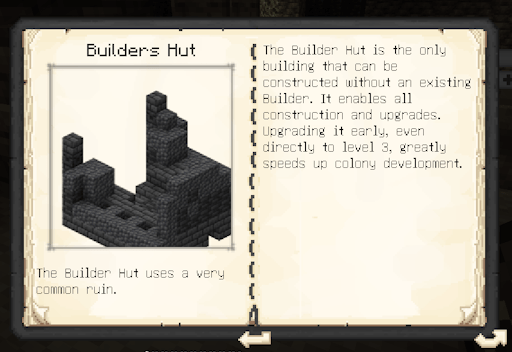
A Guide book containing ALL the ruins needed for each building! Plan your Ancient City accordingly
Required Mods:
- MineColonies
- Structurize
- Domum Ornamentum
Recommended Mods:
- Xaero's World Map
- Nature's Compass
Screenshots
Gallery
-
 review10.png review10.png
 -
 review9.png review9.png
 -
 review8.png review8.png
 -
 review7.png review7.png
 -
 review6.png review6.png
 -
 pe review 1.png pe review 1.png
Versions
Files
Relations
Project Relations
More like this
Similar Mods
Suggestions use data such as tags, dependencies, dependents, descriptions, titles, and more to rank how much they overlap with this mod.
- New in Town | The Settler's Experience Data Pack
- Iron Pvp: Arise Of DreamWorld
- L_Ender 's Cataclysm Delight
- RPG Skill Trees
- The Last Smith
- Twilight Forest - Dungeons & Villages
- Triavix Identity Guard
- Overgeared: Ice and Fire
- DND-style RPG Stats
- Epic Weaponry Unbound [E.W.U.]
- ZRPG: Multiplayer based RPG mod.
- Weapons of Power: Relics from the Past
On ModDex
Community snapshot
By the numbers
Statistics
Want to reach Minecraft players?
We're looking for a server hosting partner to feature here and other parts of the site. Interested? Send us a message!
Get in touchGet it on
Available Platforms
On ModDex
Community snapshot
By the numbers
Statistics
Resources