Community listing page, reviews here may not be monitored by the author.
Tile Entity Breaker

No reviews yet
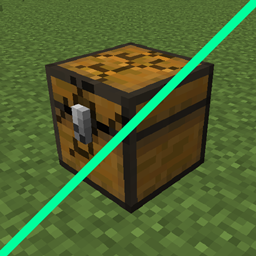
Adding a way to render damage texture on tile entity models

Community voices
Reviews
No reviews yet. Be the first to review this project!
Get it on
Available Platforms
About
Project Details
For authors
Embed Badge
If you're the author of this project, you can embed a live badge anywhere that supports HTML or Markdown. It updates automatically whenever ratings change.
Use HTML for any page that supports it, or Markdown for README files and Markdown-based descriptions.
Identifiers
Platform IDs
Resources
External Links
About
Description
Have you ever got tired of not being able to see when the chest you are breaking is going to break? Or maybe you have some blocks with nice models in your mod that you want to see being broken? I know, that's quite a strange problem, but if you are a perfectionist, just like myself, then this mod is just for you!
Tile Entity Breaker (or TEBreaker for short) is a clientside library that allows rendering of destruction textures on blocks rendered with tile entities and custom models. Right now it supports every such block in vanilla Minecraft 1.7.10 (chests, signs and heads), and can also be used by other mods to add support for their blocks.
Requirements:
- UniMixins and nothing else
Compatibilities:
- Better Storage (due to how locker model works, destruction texture will always render both on top and bottom sides of the double locker)
- Iron Chests
- Thaumcraft
- Et Futurum Requiem
- Adding more compatibilities is planned. You can leave your requests in the comments section.
Incompatibilities:
- Optifine. Apparently it uses some other method to render destruction texture on chests. I strongly recommend using Angelica instead
- Feel free to leave a comment and/or GitHub ticket if you find another one.
- It might be incompatible with high resolution texturepacks though. Further testing is required.
How does it work?
- On start of the game TEBreaker generates a set of destruction textures based on vanilla block textures for every specified tile entity model. When the block containing tile entity is being broken, it renders tile entity again using the forementioned texture.
Screenshots
Gallery
-
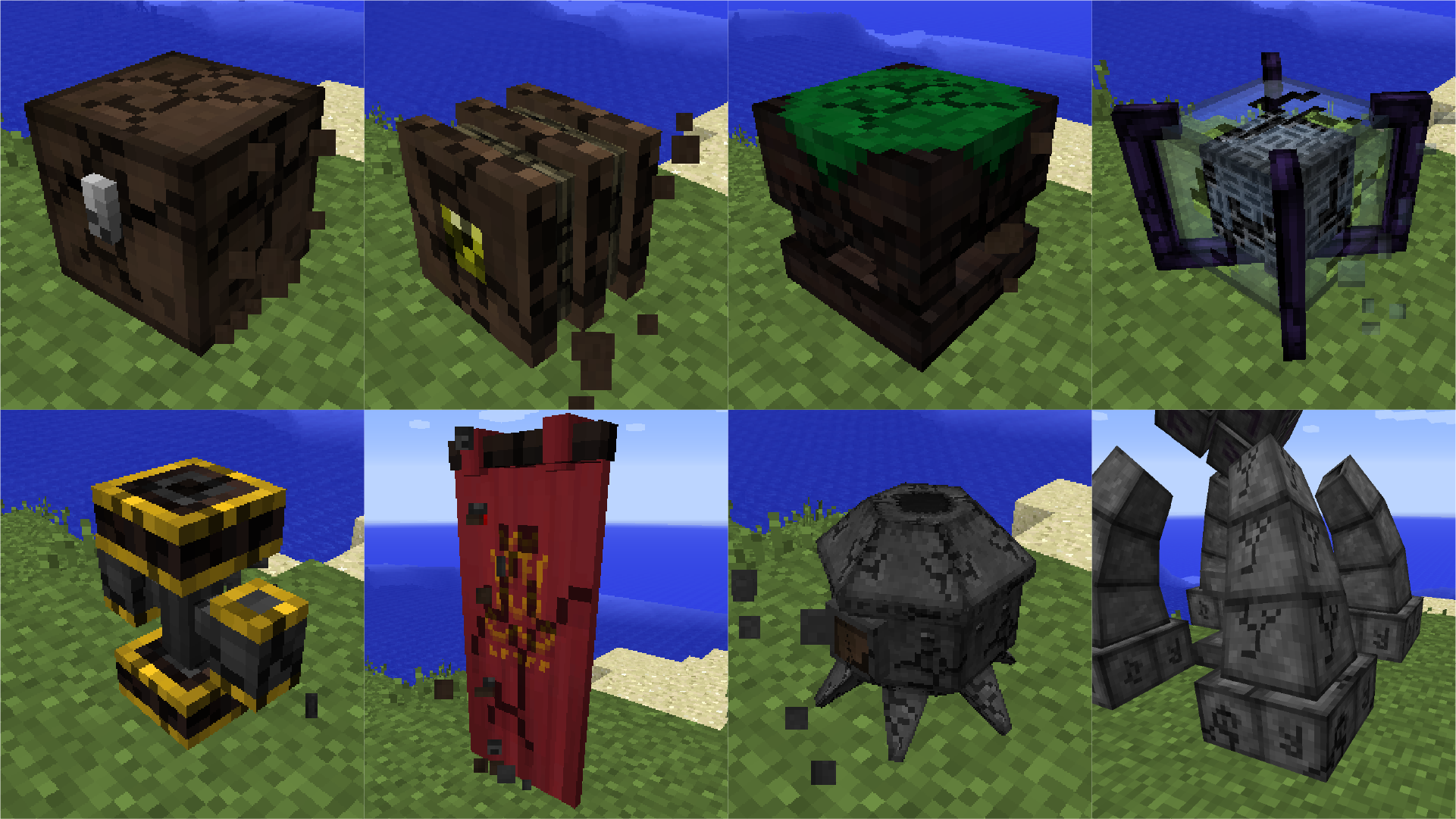 Thaumcraft is supported
 -
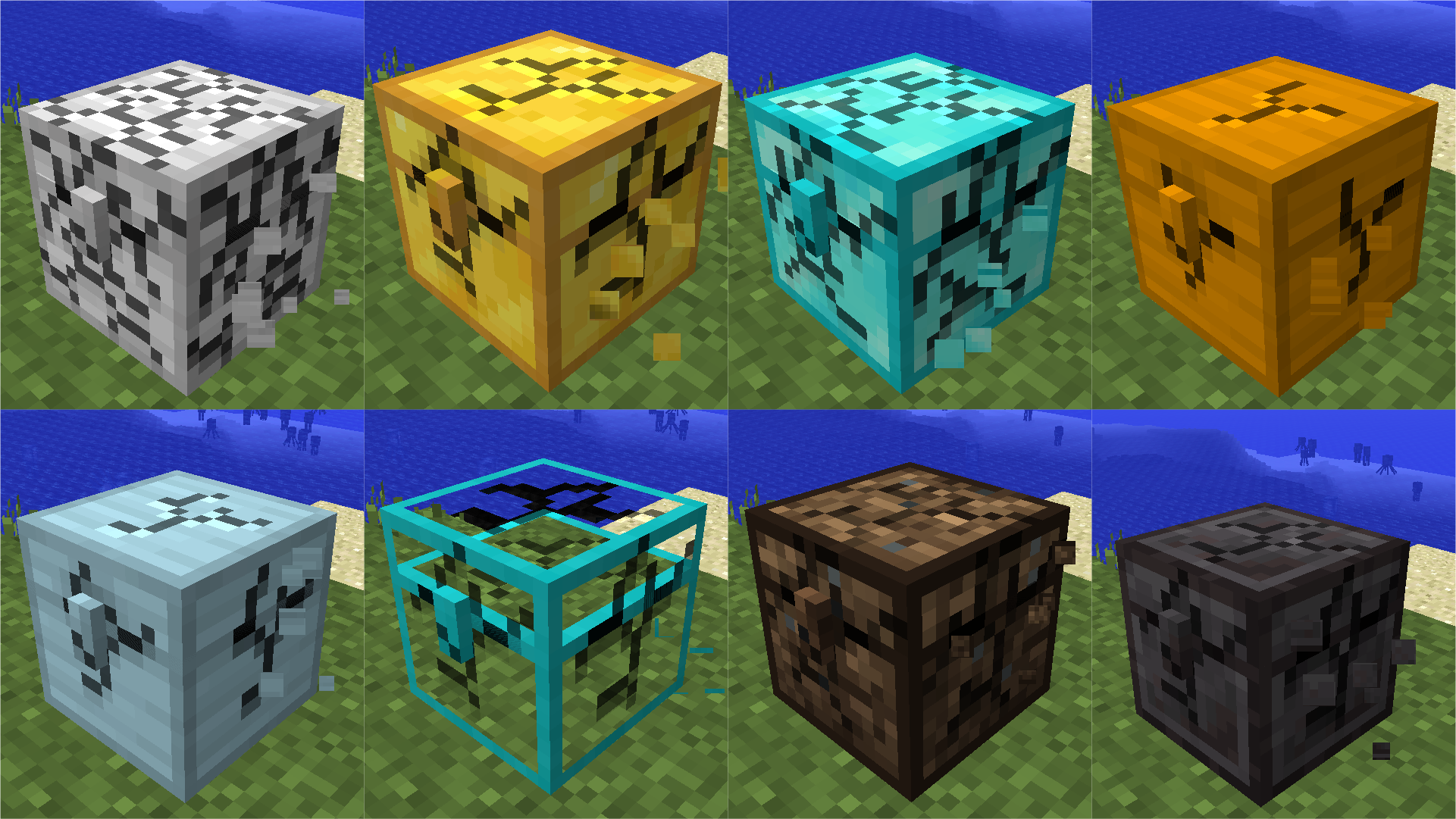 Iron Chests mod is supported
 -
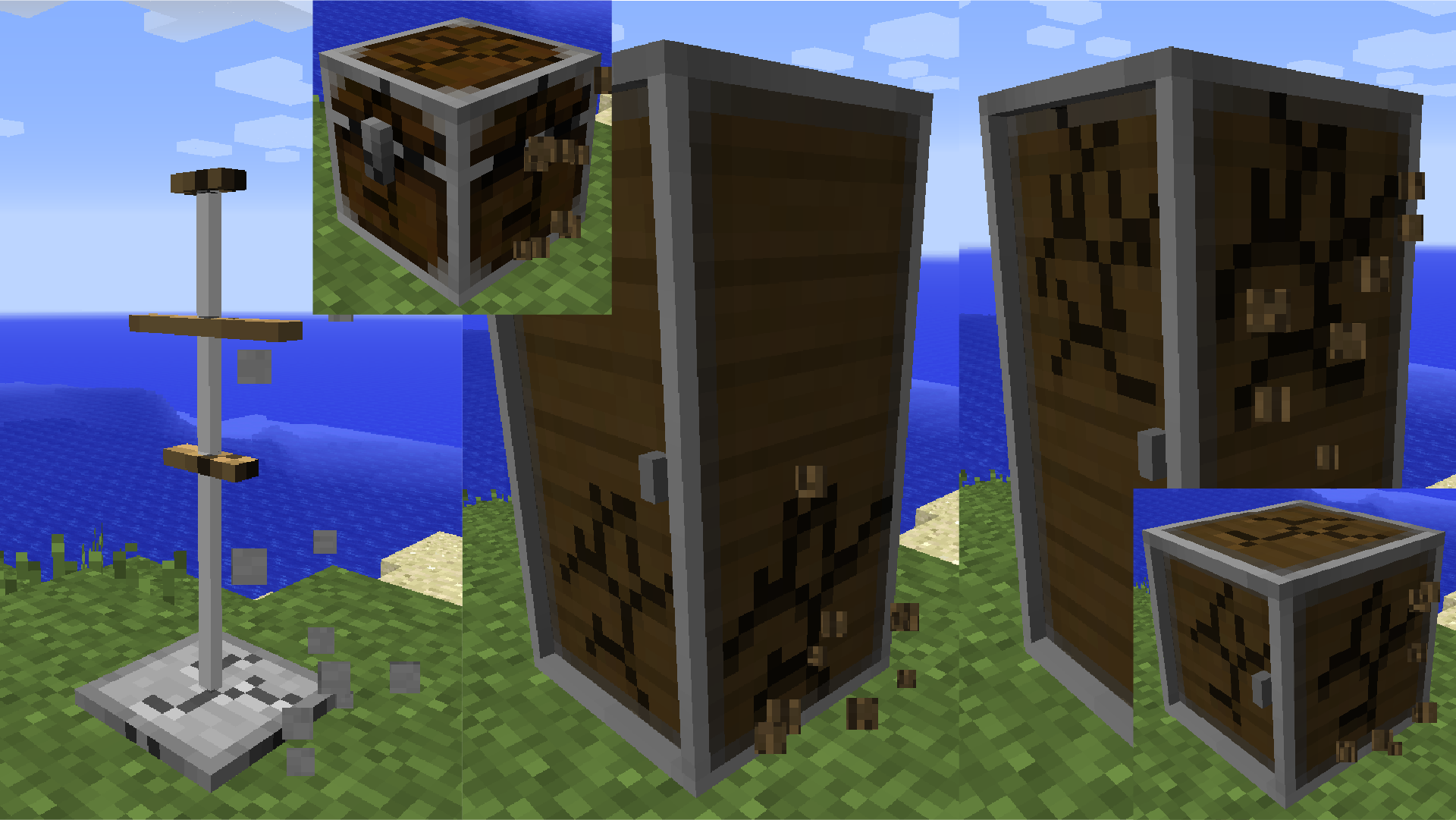 Better Storage mod is suppported
 -
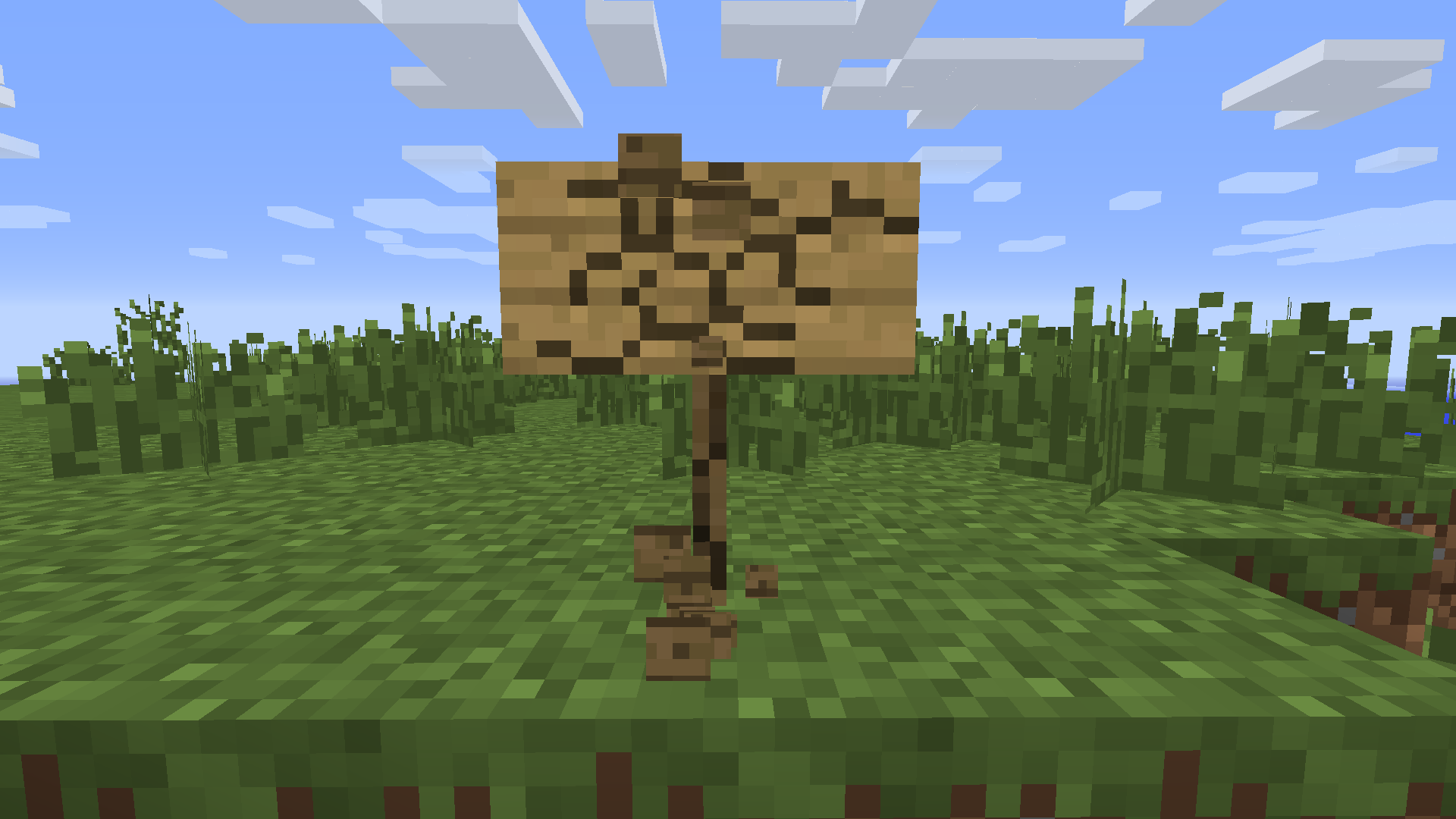 Models wider then 16 pixels (such as signs) are supported The mod will add extra rows/columns of pixels to compensate their wideness
 -
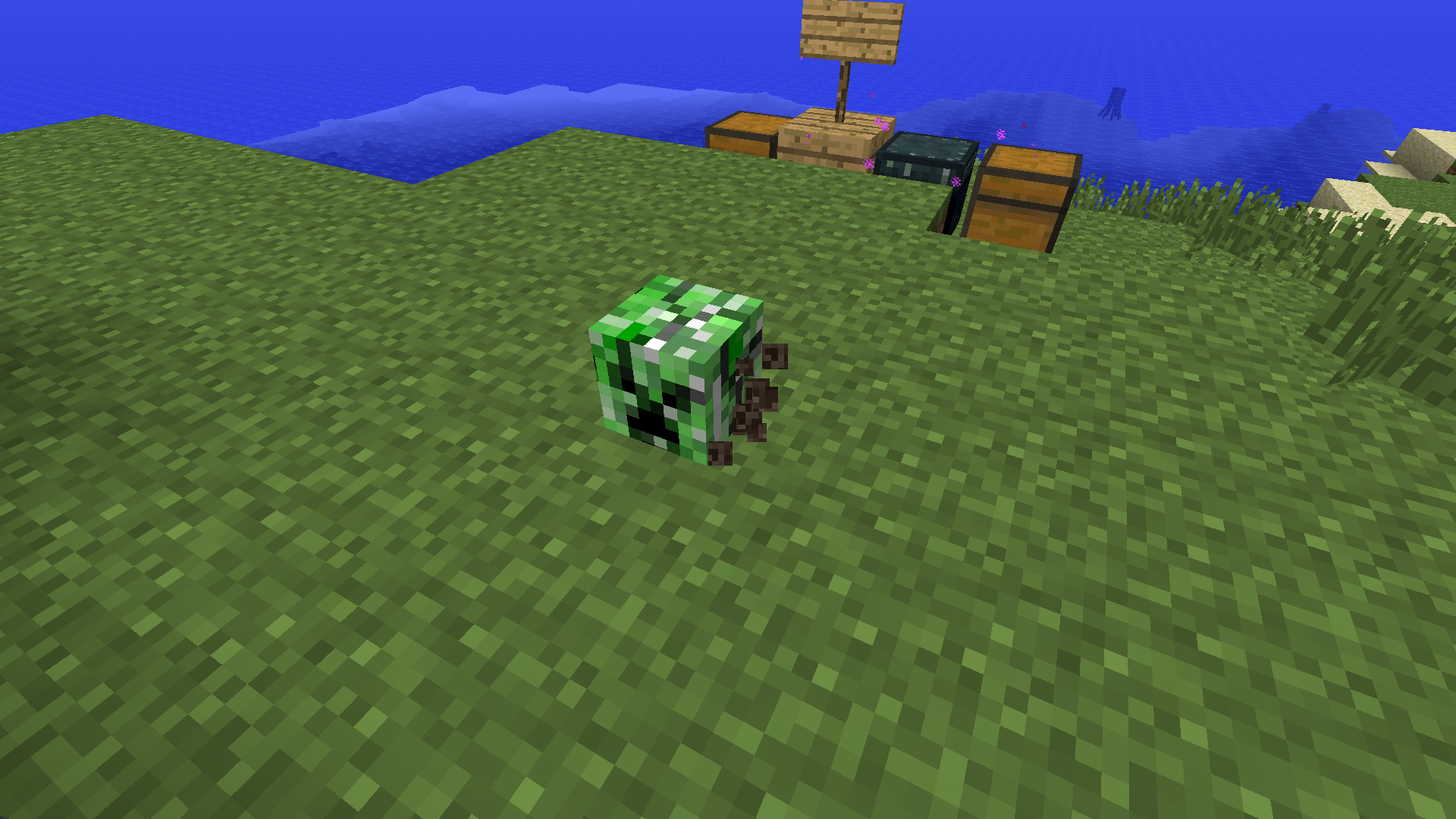 Skulls and heads are suported
 -
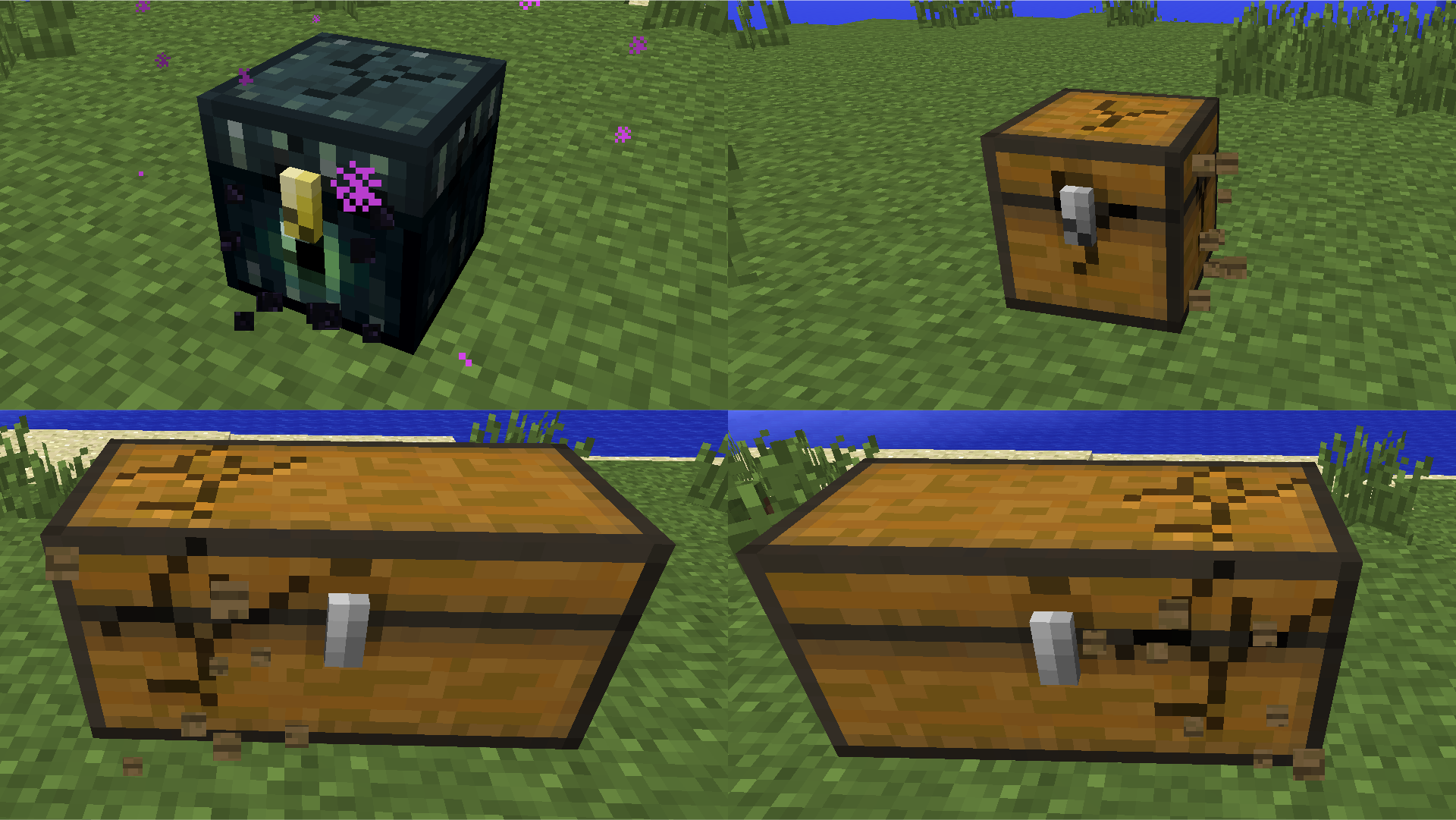 All kinds of chests are supported
Versions
Files
Relations
Project Relations
More like this
Similar Mods
Suggestions use data such as tags, dependencies, dependents, descriptions, titles, and more to rank how much they overlap with this mod.
On ModDex
Community snapshot
By the numbers
Statistics
 (opens in a new tab)
Get it on
Available Platforms
On ModDex
Community snapshot
By the numbers
Statistics
Resources